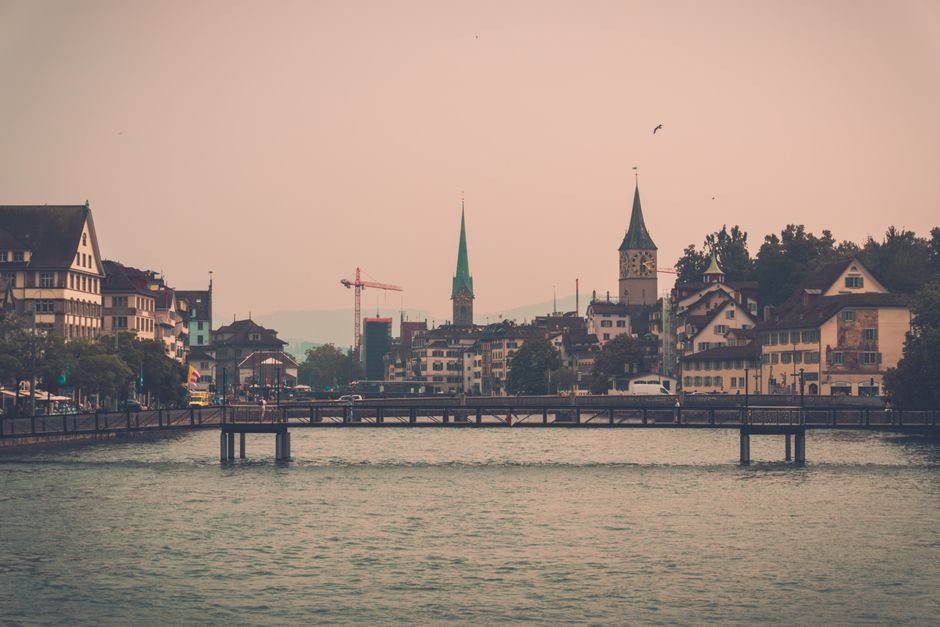
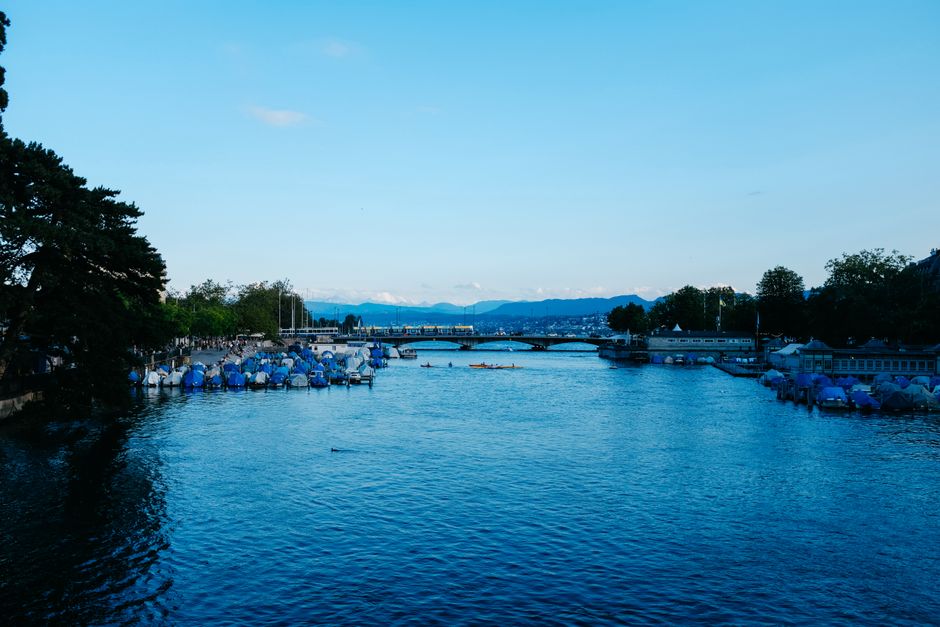
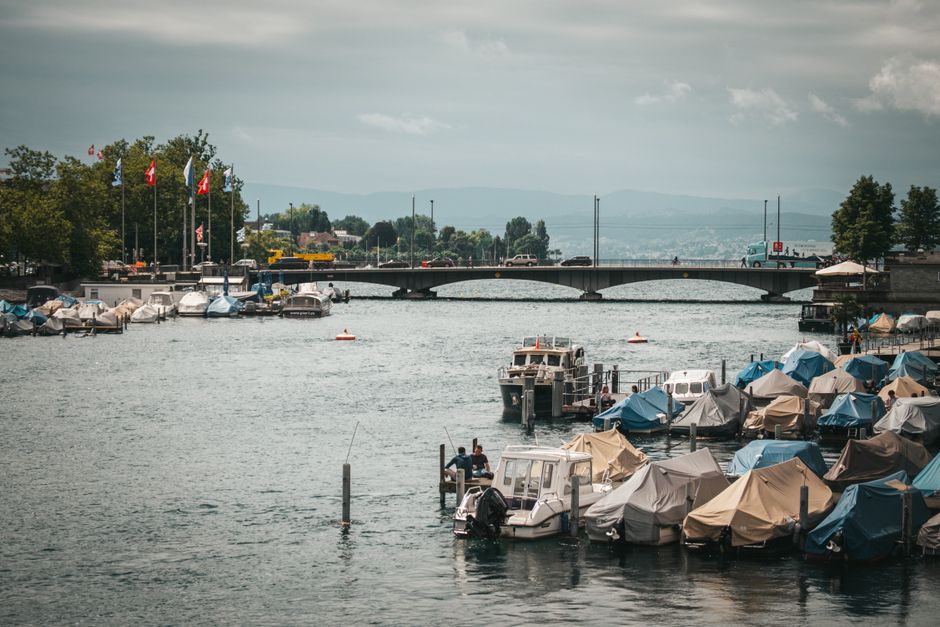
Zurich's relationship with water runs deeper than its picturesque lakes and rivers. The city's infrastructure for aquatic sports has evolved into one of Switzerland's most comprehensive ecosystems, underpinning everything from competitive swimming to triathlon training and recreational paddling.
The Hallenbad Oerlikon, situated in the north-eastern district, remains a cornerstone facility. Built to Olympic specifications with a 50-metre competition pool, warm-water teaching pools, and diving facilities, it serves approximately 15,000 swimmers monthly. The venue hosts regular training camps for national squad athletes and provides the technical foundation that has helped Swiss swimmers maintain their consistency at international competitions.
Beyond the city centre, the Hallenbad Uster and facilities along the Limmat Valley offer distributed access for Zurich's growing aquatic community. The Flussbad Unterer Letten, uniquely positioned along the Limmat in the Zurich-West neighbourhood, exemplifies how the city integrates water sports into urban planning. This riverside bathing complex opened year-round swimming areas that align with the city's environmental commitments while providing genuinely accessible training grounds.
The Lake Zurich shoreline itself functions as informal infrastructure. Competitive swimmers regularly exploit the clear waters for long-distance training, whilst open-water events—including the annual Zurich Openwater Swimming Festival—draw international participants. Local triathlon clubs leverage both the lake and purpose-built transition zones near Tiefenbrunnen and Mythenquai for race preparation.
Investment figures tell a compelling story. The canton allocated 42 million francs to aquatic facility upgrades between 2022 and 2025, with Zurich city contributing an additional 8.5 million. Monthly swimming pass prices hover around 75 francs for adults, positioning Zurich's facilities as premium but comparable to other major Swiss cities.
The infrastructure extends beyond bricks and mortar. Zurich hosts the Swiss Swimming Federation's regional training centre, attracting coaches and developmental swimmers. Partnership agreements between municipal authorities and clubs like Aqua City Zurich and SC Hellmut Pflug ensure facility allocation optimises both elite performance pathways and grassroots participation.
This integrated approach—combining Olympic-standard competition venues, accessible public pools, natural water bodies, and coordinated federation support—differentiates Zurich from peer cities. As regional aquatic competitions intensify and open-water swimming gains popularity, the city's infrastructure advantage becomes increasingly valuable. For athletes and enthusiasts alike, Zurich's aquatic facilities represent a rare convergence of world-class competition venues and genuine accessibility.
This article was compiled by AI from the sources linked above and screened before publishing. See our editorial standards.