FC Zurich's Summer Exodus: How the Club Lost Its Star Midfielder to European Giants
As the Super League champions bid farewell to their breakthrough talent, the Letzigrund faithful grapple with ambition versus loyalty.
As the Super League champions bid farewell to their breakthrough talent, the Letzigrund faithful grapple with ambition versus loyalty.
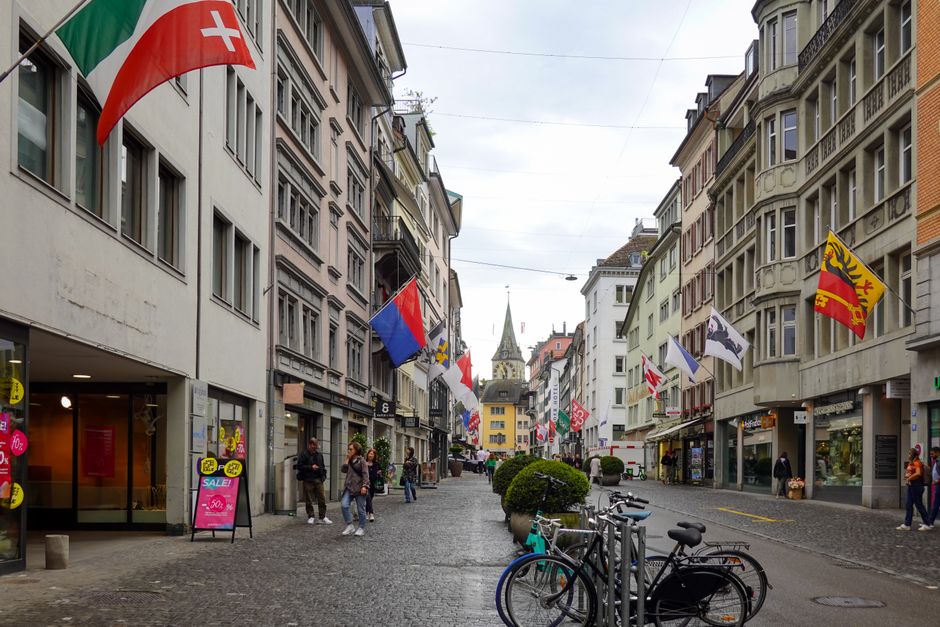
The departure announcement came quietly on a Tuesday afternoon, posted across social media before official confirmation reached the Swiss sports press. FC Zurich's midfielder—the player who had orchestrated their midfield for three seasons—was leaving for a five-year contract with a top-six European club. For supporters gathering in the cafés along Bahnhofstrasse and in the stands of the 22,000-capacity Letzigrund stadium in Zurich-Altstetten, it felt simultaneously inevitable and bittersweet.
The 24-year-old academy product represented something rare for Swiss football: homegrown excellence capable of competing at continental level. His creative passing range and work rate had made him indispensable to the club's recent domestic success, contributing 12 assists across 34 Super League appearances this season. Scouts from across Europe had been tracking him since early 2024, but few anticipated the move would materialise quite so suddenly, barely a week after the Swiss Cup final.
For FC Zurich—perennially striving to balance financial sustainability with competitive ambition—the transfer represents both validation and vulnerability. The reported fee, understood to exceed €18 million, will provide necessary capital for infrastructure improvements and recruitment elsewhere. Yet replacing such homegrown talent remains notoriously difficult in Swiss football, where academies struggle to produce players of genuine continental calibre with regularity.
The Zurich sports community's reaction has been characteristically measured. Club officials issued statements emphasising the player's trajectory and the opportunity afforded to him, while board members pointed toward reinvestment plans and youth development as paths forward. Season ticket holders interviewed at the Hardturm café near the stadium expressed mixed sentiments—pride in the player's achievement tempered by concern about domestic competitiveness.
This departure occurs against a broader backdrop of Swiss football's demographic challenges. With an average Super League attendance of roughly 11,500 spectators, domestic clubs struggle to generate revenue comparable to larger European markets, making the development and retention of elite talent structurally difficult. FC Zurich's solution has historically involved strategic selling: identifying promising young players, developing them over two to four seasons, then monetising their value to fund sustainable operations.
The club's summer window will now focus on strategic recruitment, likely targeting experienced players from smaller European leagues and continuing to scout promising youth from regional academies across Eastern Europe and the Balkans. Whether new arrivals can replicate the midfielder's creative impact—or whether Zurich's next generation will emerge organically from their academy—remains the pressing question as preparations intensify for the new campaign.
This article was compiled by AI from the sources linked above and screened before publishing. See our editorial standards.
How does this story make you feel?
Spread the word
About this article
Published by The Daily Zurich
Daily brief
Free, in your inbox before 7am. Weekdays.
More in Sport