In a converted warehouse on Geroldstrasse in Zurich West, forty amateur footballers gather twice a week for training. They pay 180 francs monthly for the privilege. None will turn professional. Most are here because FC Wiedikon United, their club, has become the social fabric of their neighbourhood—a place where software engineers play alongside construction workers, where languages shift between German, Italian, and English in a single half-time break.
This is the story of Zurich's grassroots sport movement, a phenomenon that has quietly reshaped how the city's residents engage with physical activity and community. It's a network largely invisible to international observers but vital to the city's character.
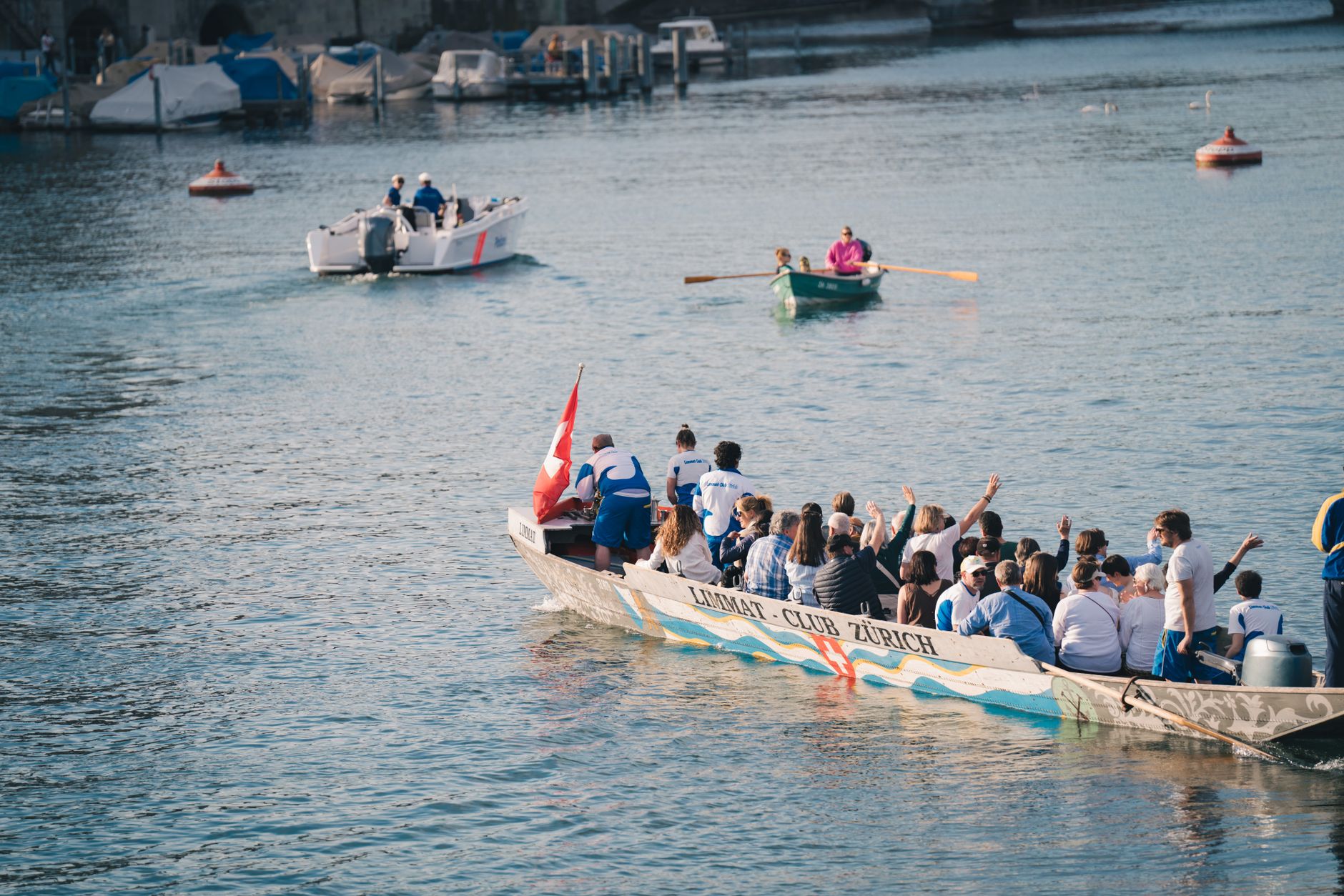
The numbers tell a compelling story. Over 42,000 Zurich residents participate in amateur leagues and clubs—nearly 6% of the city's population. The Swiss Amateur Football League alone organises 380 clubs across the canton, with participation fees ranging from 150 to 300 francs annually. Volleyball clubs in Aussersihl, swimming groups in the Limmat, table tennis societies in Hongg: the infrastructure is vast and decentralised.
What drives this movement isn't elite ambition but something more fundamental. Claudia Meier, a long-time volunteer at Frauensport Zurich, explains the philosophy informally: these clubs exist because cities function better when neighbours know each other. When isolation becomes a public health concern—particularly after years of disrupted routines—grassroots sport becomes a deliberate antidote.
The financial model is remarkably lean. Most clubs operate on membership fees and modest local sponsorships from shops on Bahnhofstrasse or neighbourhood businesses. The Zurich Sports Association provides some municipal support, approximately 2.3 million francs annually to maintain public facilities, but the real work happens through volunteer hours. A typical amateur club requires five to eight core organisers managing scheduling, equipment, finances, and recruitment.
What distinguishes Zurich's approach is accessibility. Unlike commercial fitness franchises, these clubs maintain deliberately low barriers to entry. Age groups span from under-8 youth programmes to veteran leagues. Physical ability varies wildly. The commitment is social continuity, not performance metrics.
As global cities grapple with loneliness and fragmentation, Zurich's grassroots movement offers a counterpoint: proof that communities strengthen when people gather regularly around shared physical pursuits. On fields from Letzigrund to smaller pitches throughout Wiedikon and Altstetten, that gathering continues—unglamorous, essential, and entirely community-driven.
This article was compiled by AI and screened before publishing. See our editorial standards.