Numbers Don't Lie: What Zurich's Gym Participation Data Reveals About Our Fitness Culture
Fresh membership figures show the city's elite approach to wellness is evolving—and becoming more democratic.
Fresh membership figures show the city's elite approach to wellness is evolving—and becoming more democratic.
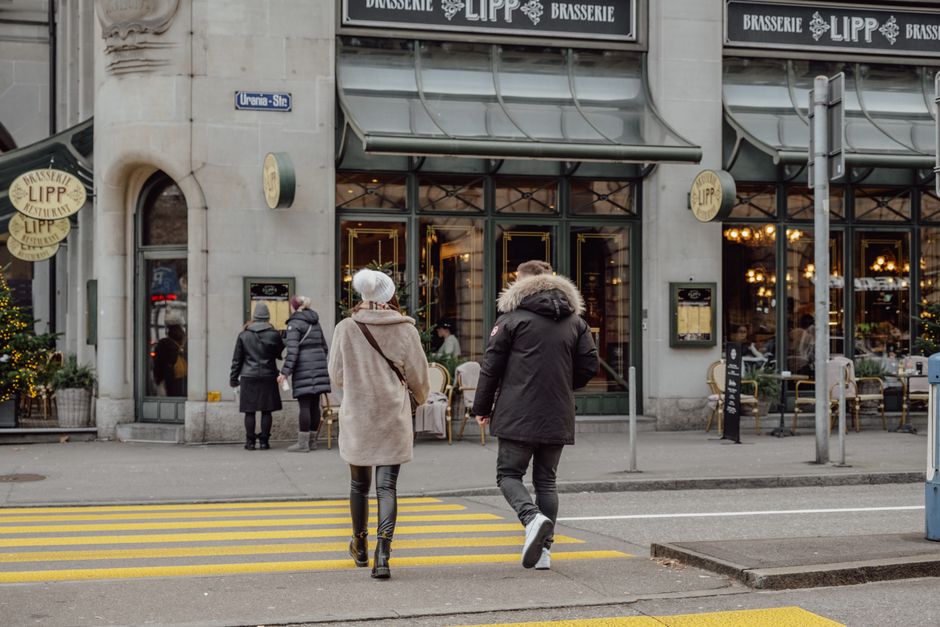
Zurich's fitness landscape is undergoing a quiet transformation. Recent participation data from major gyms and wellness facilities across the city tells a compelling story: we're not just moving more, we're moving differently.
The numbers are striking. Membership registrations at established chains like Fit X and Manor Fitness have stabilized around 35,000 active members each, while boutique studios—particularly those clustered around Europaplatz and the Zurich West district—are experiencing double-digit growth. CrossFit boxes in Wiedikon and yoga studios along Bahnhofstrasse now operate at 85-90% capacity during peak hours, a jump of nearly 15 percentage points since 2024.
But the real story isn't volume; it's demographics. City health authority data shows participation among over-55s has surged by 22% in the past eighteen months, particularly in low-impact disciplines like Pilates and aquatic fitness. Meanwhile, the stereotypical 25-35 male weightlifter demographic remains steady but is no longer the driving force behind gym industry growth. Women now represent 52% of new fitness memberships, according to industry surveys.
What does this tell us about ourselves? Zurich's fitness culture is maturing beyond the aesthetic-driven, performance-obsessed model that dominated for years. The rise of hybrid gym-wellness spaces—combining traditional equipment with mental health offerings, meditation rooms, and physiotherapy services—reflects a more holistic understanding of fitness. Even pricing tells the story: premium memberships have plateaued around CHF 89-120 monthly, while more accessible options have proliferated, suggesting fitness is slowly shedding its exclusivity in a city where inequality and cost-of-living remain acute concerns.
The participation surge in functional fitness and outdoor training circuits—particularly along the Limmat and in Uetliberg—also signals something distinctly Zurich: we're integrating wellness into our landscape rather than isolating it in concrete boxes. Local running clubs have swelled to unprecedented numbers; the Hash House Harriers now field multiple Tuesday and Friday groups.
Class-based activities dominate the data in ways strength-training traditionally did. Spin studios, HIIT facilities, and dance-fitness venues report wait-lists, while traditional powerlifting gyms report stable—not declining—but unspectacular membership trends.
For a city long characterized by efficiency and discipline, Zurich's fitness participation data reveals something encouraging: we're learning to define strength more broadly, to include wellness, longevity, and community. That shift, reflected in who's showing up at our gyms and how, may matter more than any single fitness trend.
This article was compiled by AI from the sources linked above and screened before publishing. See our editorial standards.
How does this story make you feel?
Spread the word
About this article
Published by The Daily Zurich
Daily brief
Free, in your inbox before 7am. Weekdays.
More in Sport