Zurich's Football Infrastructure Gets a Long-Overdue Reality Check
From the crumbling terraces at Letzigrund to the chronic shortage of training pitches in Altstetten, the city's football facilities are struggling to keep pace with ambition.
From the crumbling terraces at Letzigrund to the chronic shortage of training pitches in Altstetten, the city's football facilities are struggling to keep pace with ambition.
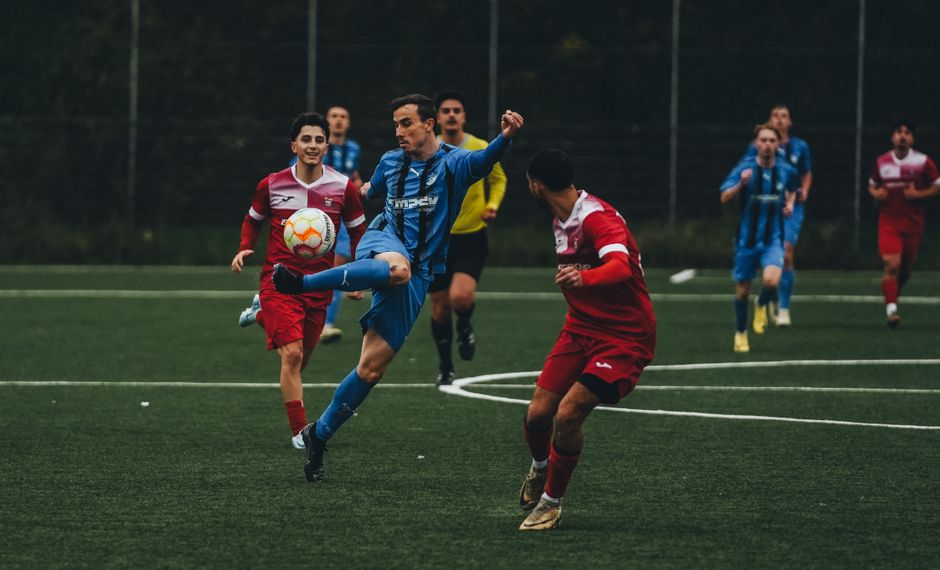
Zurich has two professional football clubs, a population of 440,000, and exactly one stadium that meets UEFA's Category 4 standards. That single facility — the Letzigrund in the 10th district — is also shared with the city's athletics programme, which means FC Zürich and Grasshopper Club Zürich are perpetually scheduling around each other like flatmates fighting over the bathroom. The practical cost of that arrangement is becoming harder to ignore.
The timing is pointed. FC Zürich finished the 2025-26 Super League season in third place, their European ambitions intact but their facilities clearly lagging behind rivals such as BSC Young Boys, whose Wankdorf Stadium in Bern underwent a CHF 65 million renovation completed in 2023. With UEFA's club licensing requirements tightening further from the 2027-28 season onwards, Zurich's football leadership knows the window to act is narrowing.
The strain extends well below the professional level. Amateur clubs across Zurich — from FC Höngg in the hills of the 10th district to SC Schwamendingen on the city's northeastern edge — have been lobbying Stadtrat since 2024 over a shortage of synthetic and natural-grass training pitches. The city currently operates 47 public football pitches, but peak weeknight demand regularly exceeds available slots by around 30 percent, according to figures compiled by Zürich's Sportamt last autumn.
Altstetten is the flashpoint. The neighbourhood hosts three amateur clubs — FC Altstetten, FC Juventus Zürich, and SC Thalwil's youth academy satellite — all competing for time on two full-size pitches at the Sportanlage Heerenschürli overflow site. A proposal to install two additional artificial-turf pitches near Badenerstrasse was approved in principle by the Gemeinderat in March 2026, but construction funding of CHF 4.2 million has not yet been formally allocated in the city budget. The earliest realistic completion date, according to the Sportamt's own project timeline, is spring 2028.
Grasshopper, for their part, have been training primarily at the Heerenschürli facility in Oerlikon since their financial restructuring in 2022. The complex is functional but far from elite. Rival clubs in the Super League — Servette FC in Geneva and FC Basel at their St. Jakob-Park base — train on UEFA-standard surfaces with club-owned medical centres attached. Grasshopper rents its physiotherapy space from a private provider 800 metres down Wallisellenstrasse.
The Letzigrund itself holds 26,104 seats, and FC Zürich filled it to 91 percent capacity for last season's home derby against Grasshopper in November 2025 — a sign of appetite that the infrastructure simply can't reward. Discussions between the city, FC Zürich, and the Immobilien Stadt Zürich agency over a long-term stadium solution have been running, in one form or another, since 2019. A site assessment commissioned in late 2025 examined three possible locations, including land adjacent to the Hardturm area in the 5th district — the site of Zurich's failed 2005 stadium project — and a greenfield option near Zürich-Affoltern in the north.
No preferred site has been announced. The city's sports councillors have said publicly that a decision framework will be ready before the end of 2026, though budget pressures following Zurich's CHF 180 million infrastructure spend on flood-prevention works this year have complicated the fiscal picture considerably.
For fans, players, and club administrators, the practical advice is patience — but informed patience. The Sportamt publishes quarterly updates on facility projects at sport.stadt-zuerich.ch, and the next Gemeinderat session on sports infrastructure funding is scheduled for September 9. Amateur clubs seeking additional pitch allocations for the 2026-27 season must submit requests to the Sportamt by August 15. Anyone expecting a new stadium by 2028 is almost certainly going to be disappointed. The more realistic bet is that Zurich begins breaking ground on a proper football home sometime around 2030 — assuming the political will, and the budget, finally align.
How does this story make you feel?
Spread the word
About this article
Published by The Daily Zurich
Daily brief
Free, in your inbox before 7am. Weekdays.
More in Sport


