How Zurich's AI-Powered Transit Apps Are Reshaving Commutes Across the City
From Wiedikon to Oerlikon, residents are ditching paper timetables for intelligent mobility platforms that predict delays and optimize routes in real time.
From Wiedikon to Oerlikon, residents are ditching paper timetables for intelligent mobility platforms that predict delays and optimize routes in real time.
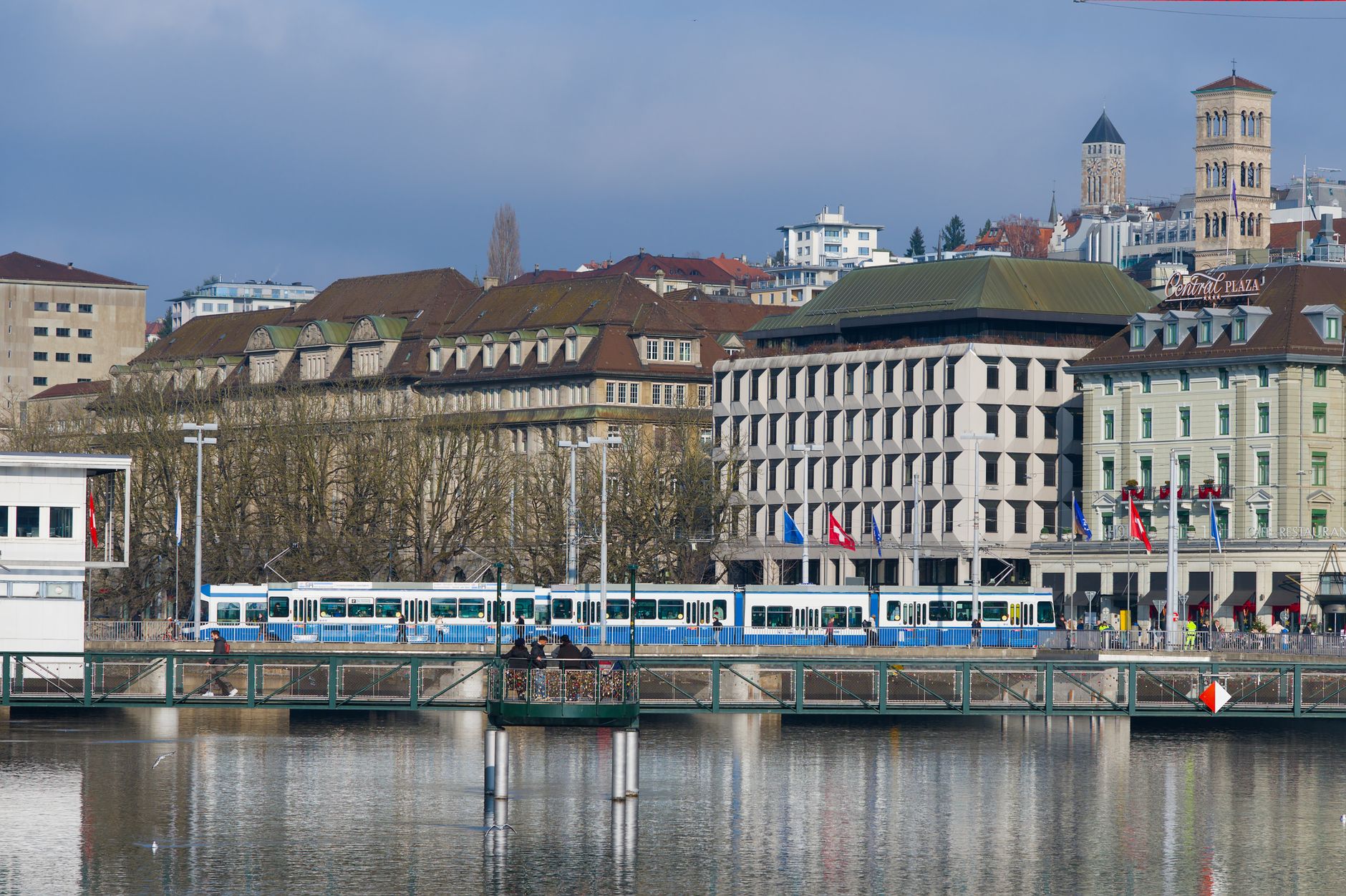
Walk into any SBB station along the Limmat these days, and you'll notice fewer people consulting printed schedules. Instead, they're staring at their phones, watching real-time predictions adjust their commute by the minute. The shift isn't coincidental—it's the result of three years of development by Swiss tech startups and established mobility firms that have quietly transformed how Zurich's 400,000 residents navigate their city.
The catalyst came from an unlikely source: a 2024 initiative by the Zurich Chamber of Commerce to reduce peak-hour congestion in the city's core business districts around Bahnhofstrasse and Paradeplatz. Rather than building new infrastructure—prohibitively expensive in a city where real estate costs average CHF 12,500 per square meter—the focus shifted to algorithmic optimization.
Today, apps like the reimagined ZVV Fahrplan integrate machine learning models that analyze passenger flow patterns, weather impacts, and construction schedules simultaneously. Commuters from Enge to Hongg now receive personalized routing suggestions that often shave five to ten minutes off journeys. "The system learns that Tuesday mornings see 23 percent more delays on the Uetliberg line, and accounts for it," explains one product lead at a Zurich-based mobility firm, though the company declined to be named pending a funding announcement.
The impact extends beyond mere convenience. ETH Zurich's Institute for Environmental Engineering published a June 2026 study showing that optimized routing recommendations have reduced unnecessary car trips by approximately 8 percent in neighborhoods like Wiedikon and Altstetten. That translates to roughly 12,000 fewer vehicles on local roads weekly.
But adoption hasn't been universal. Older residents, particularly in districts like Hongg and Schwamendingen, continue to favor traditional methods. The city's integration offices have responded by offering free digital literacy workshops at community centers, with thirteen sessions already booked through August.
The bigger story is what comes next. Several firms are now piloting autonomous shuttle services in controlled zones around the Zurich Airport and the Sihlfeld industrial park. If successful, the model could expand to peripheral neighborhoods, fundamentally altering how people without cars access jobs in the city center.
For now, though, the quiet revolution is already underway at platform level: a generation of Zurichers experiencing their city's complexity rendered legible, one algorithm at a time.
This article was compiled by AI and screened before publishing. See our editorial standards.
How does this story make you feel?
Spread the word
About this article
Published by The Daily Zurich
Daily brief
Free, in your inbox before 7am. Weekdays.
More in tech


