Zurich's Tech Boom Comes With a Hidden Cost: Innovation Outpacing Oversight
As venture capital floods into the city's startup ecosystem, ethics experts warn that rapid growth is creating regulatory blind spots.
As venture capital floods into the city's startup ecosystem, ethics experts warn that rapid growth is creating regulatory blind spots.
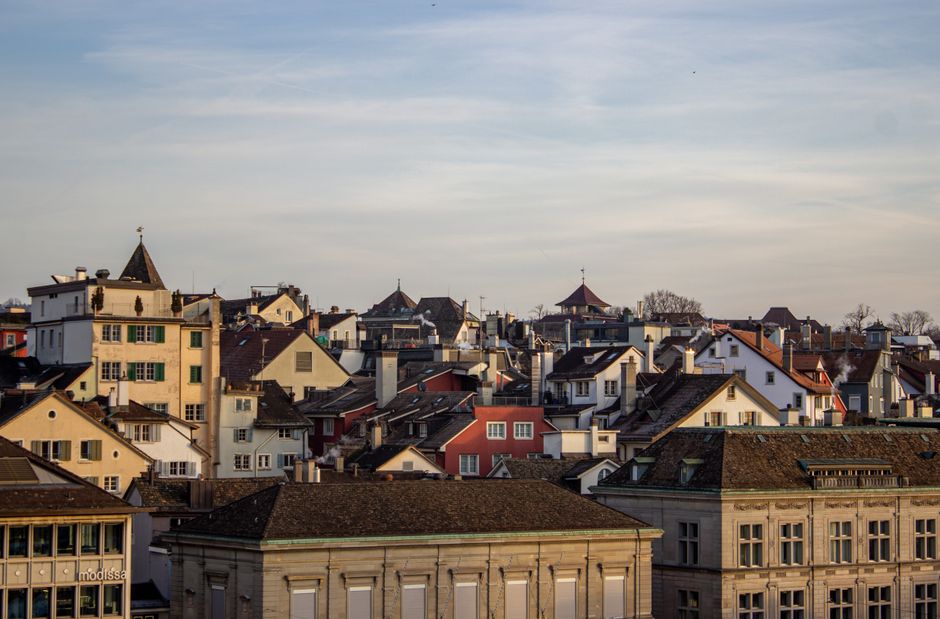
Zurich's reputation as a global innovation hub has never been stronger. The lakeside city now hosts over 1,200 tech companies, with venture capital investments exceeding CHF 2.3 billion in 2025 alone. From AI startups clustering around the Europaplatz district to fintech firms lining the Bahnhofstrasse, the momentum appears unstoppable. Yet beneath this glittering expansion lies a troubling reality: the city's regulatory and ethical infrastructure is struggling to keep pace.
The tension crystallised this spring when a prominent Zurich-based AI company faced public backlash over undisclosed training datasets sourced from healthcare records. While the firm complied with existing Swiss data protection law, ethics researchers at ETH Zurich argued the incident exposed gaps between what is technically legal and what should be considered responsible. The company, which cannot be named due to ongoing legal proceedings, had relocated to Zurich specifically to benefit from Switzerland's lighter regulatory touch compared to EU jurisdictions.
"We're seeing a pattern," explains Dr. Helena Müller, head of digital ethics at the University of Zurich's Institute for Digital Society. "Companies move here because innovation velocity matters more than precaution. That's not inherently wrong, but it creates a two-speed system: fast-moving business, slow-moving governance."
The numbers support her concern. Switzerland currently has no dedicated AI regulation—the government's 2023 proposal remains stalled in parliamentary review. Meanwhile, Zurich's startup ecosystem expands at roughly 15% annually, with particular growth in autonomous systems, biotechnology software, and algorithmic trading platforms. Rent in sought-after tech hubs like Wiedikon has climbed 18% in three years, pricing out smaller startups and compressing the diversity of innovation.
The city's regulatory bodies acknowledge the challenge. At a recent roundtable hosted by the Zurich Innovation Hub on the Rämistrasse, officials from the State Secretary for Education admitted that consent-based oversight mechanisms designed for traditional industries proved inadequate for companies deploying machine learning systems affecting thousands of users.
Yet Zurich's tech community remains divided on solutions. Some entrepreneurs argue that premature regulation would simply push innovation to Singapore or Dubai. Others—particularly founders with international experience—contend that ethical guardrails actually build long-term trust and competitiveness.
What remains clear is that Zurich faces a choice: embrace regulatory pragmatism now, or risk discovering later that the cost of innovation was paid by those least able to afford it.
This article was compiled by AI and screened before publishing. See our editorial standards.
How does this story make you feel?
Spread the word
About this article
Published by The Daily Zurich
Daily brief
Free, in your inbox before 7am. Weekdays.
More in tech


