From Traffic Jams to Smart Bins: How Zurich's Digital Overhaul is Reshaping Daily Life
Real-time transit data, intelligent parking, and automated waste collection are making the city smoother to navigate—but not without teething problems.
Real-time transit data, intelligent parking, and automated waste collection are making the city smoother to navigate—but not without teething problems.
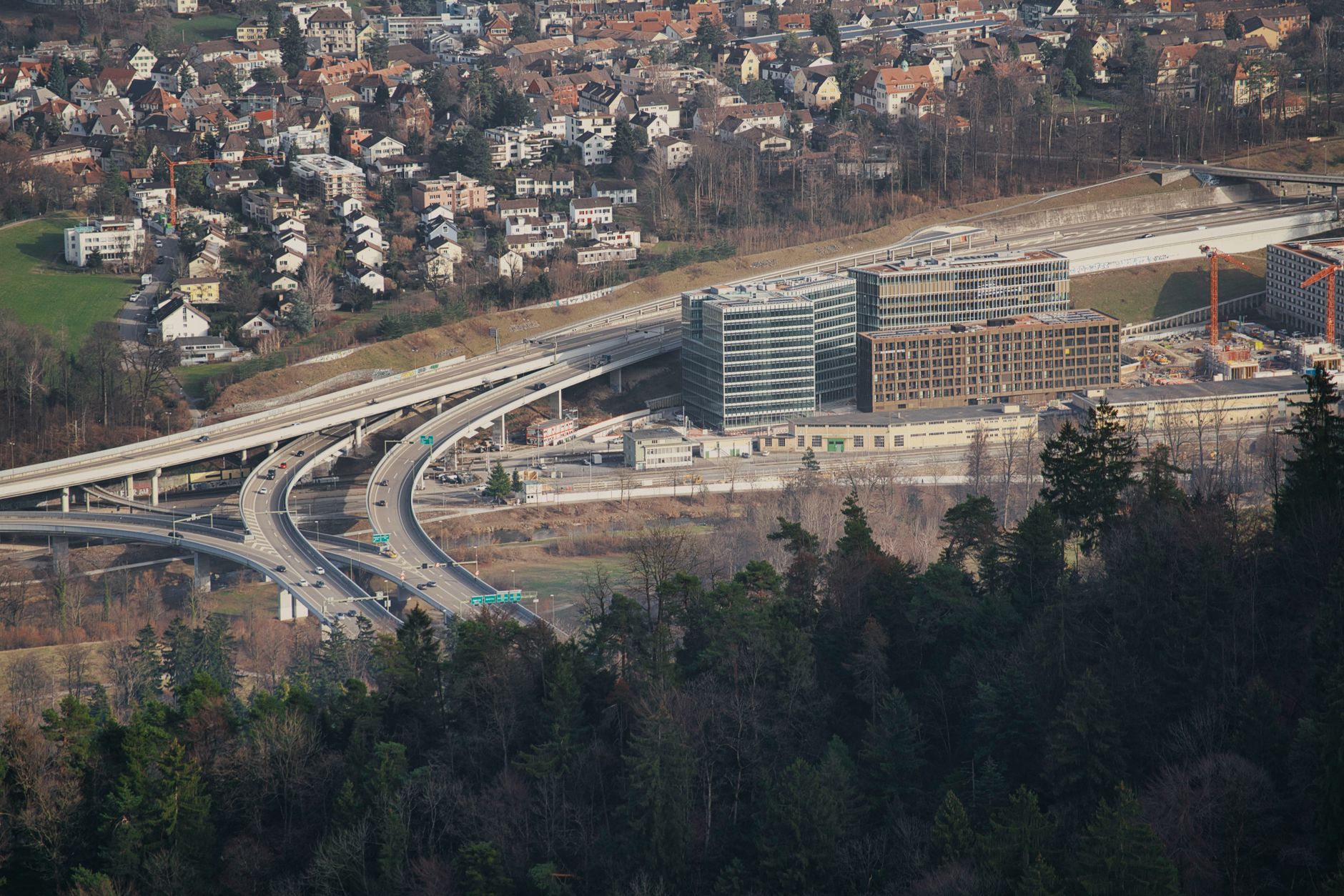
On a Wednesday morning commute down Bahnhofstrasse, most Zurich residents no longer curse traffic delays. That's because they're checking their phones first. The city's expanded real-time transit integration system, rolled out across all 12 districts over the past eighteen months, now feeds live tram and bus data directly into the SBB mobile app with 95% accuracy—a marked improvement from the fragmented system of 2024.
"People are making smarter choices about when and how they move," says a spokesperson for the Stadt Zürich planning department. Commute times to the Europaallee business district have dropped an average of 8 minutes during peak hours since the smart traffic light network became fully operational in March.
The transformation extends far beyond transit. In the Wiedikon neighbourhood, residents now dispose of waste into sensor-equipped bins that alert collection services when full, reducing unnecessary truck runs by an estimated 40%. The system has cut weekly garbage collection from three times to twice weekly in most residential areas—a change that initially frustrated some, but has quietly improved air quality on densely packed streets like Dunantstrasse.
Parking, historically a Zurich resident's nightmare, has been partially decoupled from desperation. Over 6,000 parking spaces across the city are now integrated into the Parkieren app, showing real-time availability with dynamic pricing. A spot in the Altstadt that cost 3.50 CHF per hour in off-peak times now fluctuates between 2.80 and 4.20 CHF depending on demand—a nudge that has genuinely shifted driver behaviour.
Not every initiative has landed seamlessly. The energy monitoring system in public buildings, intended to reduce municipal consumption by 20%, has faced resistance from residents concerned about data collection. Privacy advocates have raised questions about how much movement data the city retains, prompting the government to publish transparency reports every quarter starting this month.
Yet the broader trajectory is clear. Smart city infrastructure has shifted from buzzword to baseline expectation among Zurich's 440,000 residents. The next frontier is district-level customisation—allowing Kreis 4 to prioritise different services than Kreis 8, based on actual neighbourhood needs rather than city-wide mandates.
As Zurich positions itself as a European hub for sustainable urbanism, the real test isn't technological—it's social. Can residents feel genuinely better served, not merely surveilled? That question will define whether this digital transformation becomes a template or a cautionary tale.
This article was compiled by AI and screened before publishing. See our editorial standards.
How does this story make you feel?
Spread the word
About this article
Published by The Daily Zurich
Daily brief
Free, in your inbox before 7am. Weekdays.
More in tech


