From Parking to Permits: How Zurich's Smart City Push Is Reshaping Daily Life for Residents
Digital transformation isn't just buzzwords in Zurich—it's fundamentally changing how residents navigate everything from transport to waste management.
Digital transformation isn't just buzzwords in Zurich—it's fundamentally changing how residents navigate everything from transport to waste management.
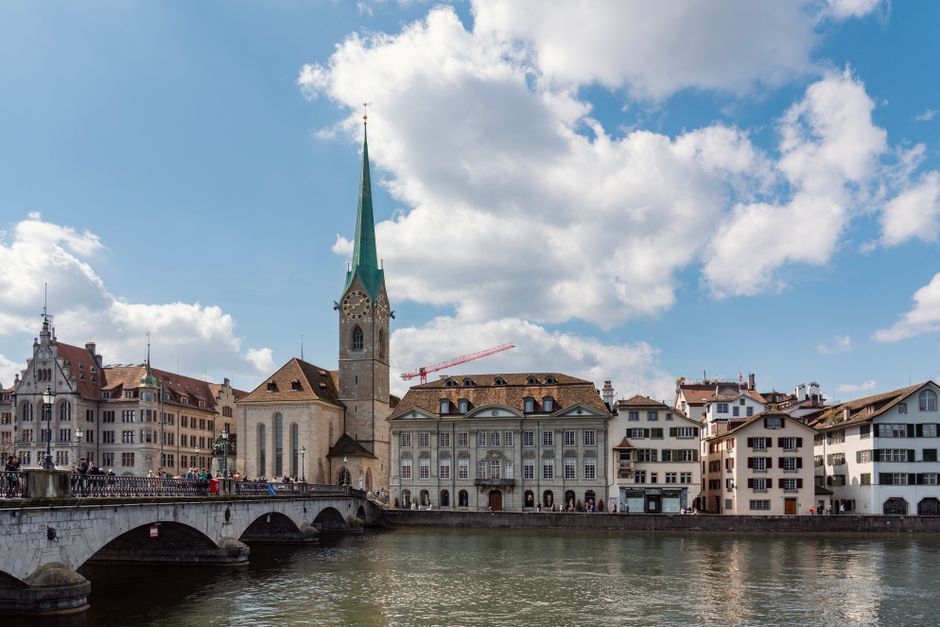
Walk through Wiedikon on a Tuesday morning and you'll notice something absent: the frustration of circling for parking. Zurich's expanded smart parking system, now covering most neighborhoods between the Limmat and Sihl rivers, uses sensors embedded in 12,000 street spaces to feed real-time availability to residents' phones. What once consumed 30 minutes of a commuter's time has shrunk to minutes. The system, expanded significantly since 2024, has reduced traffic congestion in dense areas by an estimated 8 percent.
But the transformation extends far beyond convenience. At Zurich's civil registration office on Rämistrasse, residents no longer wait in queues for permit renewals. A new digital platform launched in early 2026 allows apartment dwellers to apply for residency permits, parking passes, and waste management upgrades entirely online. Processing time has dropped from three weeks to five working days.
The city's waste collection system tells a similar story. Smart bins in Altstaden and Aussersihl now communicate with municipal collection vehicles, optimizing routes and reducing unnecessary trips. Residents receive notifications when their zones are scheduled for pickup, and the system calculates optimal collection timing based on neighborhood density patterns.
Public transportation integration has perhaps impacted daily life most visibly. The ZVV's unified digital ticketing system, fully operational since last year, allows seamless payment across trams, buses, and trains through a single app. Monthly passes cost 115 CHF for zones 1-2, and the system tracks commuting patterns to help the city plan future transit corridors—something residents will see reflected in expanded service to growing areas like Zurichberg.
Energy consumption is being monitored at a granular level too. Smart meters now cover 78 percent of residential buildings in the city, allowing residents to track usage in real-time and adjust habits accordingly. Early adopters report 12-15 percent reductions in monthly bills.
Not everything proceeds seamlessly. Data privacy concerns have prompted the city to publish detailed transparency reports on its digital infrastructure. A vocal contingent of residents has questioned the scope of surveillance inherent in these systems, leading the city council to implement stricter anonymization protocols earlier this year.
Still, for most Zurich residents, the benefits are tangible. The technology isn't transforming the city into something unrecognizable—it's simply removing friction from routines that have defined urban life for decades. In a city where time is literally money, that matters.
This article was compiled by AI and screened before publishing. See our editorial standards.
How does this story make you feel?
Spread the word
About this article
Published by The Daily Zurich
Daily brief
Free, in your inbox before 7am. Weekdays.
More in tech


