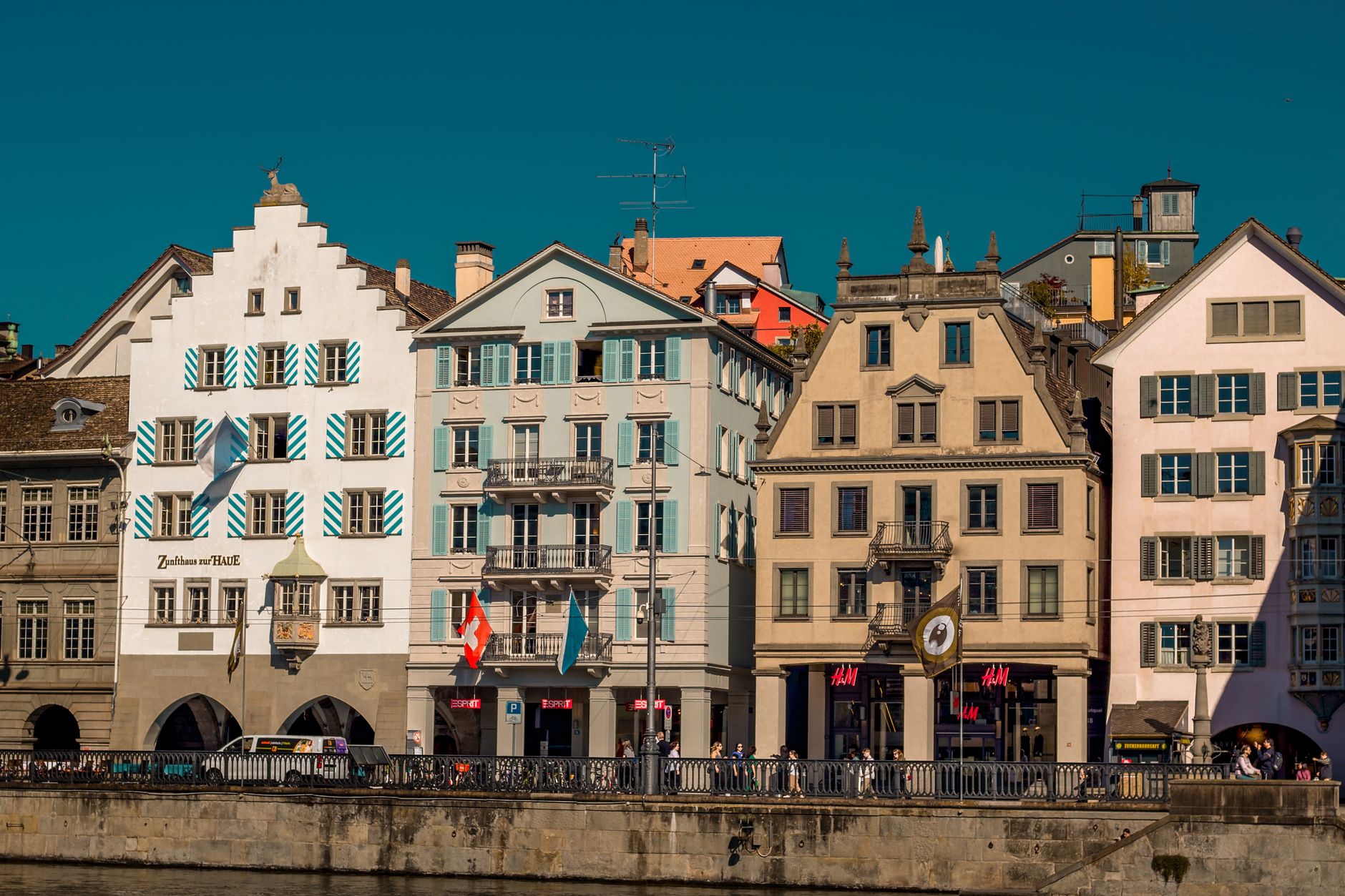
Walk down Bahnhofstrasse on a Friday afternoon and you'll notice something that didn't exist two years ago: nearly every luxury boutique now uses AI-powered personal shopping assistants. These systems track customer preferences, adjust window displays in real-time, and send hyper-personalised notifications to shoppers' phones. For Zurich residents accustomed to bespoke service, the technology has become seamlessly integrated—and according to retailers, conversion rates have climbed by roughly 23% since implementation.
But the transformation runs far deeper than shopping. At the Universitätsspital Zürich, artificial intelligence now handles preliminary diagnosis screening, reducing patient wait times from an average of 4.5 hours to just over 2 hours. Radiologists use AI image analysis to flag potential issues before human review, a development that has caught the attention of Switzerland's health insurance industry, where premiums have become increasingly scrutinised.
The shift is perhaps most visible in Zurich's public transport ecosystem. The SZU (Sihltal Zürichberg Bahn) and tram operators now employ predictive algorithms that anticipate crowding, adjust departure frequencies, and optimise routes in real-time. Commuters from Altstetten to Wiedikon report fewer delays, while the system itself has reduced energy consumption by an estimated 12% annually.
For service workers and small business owners, however, the technology presents a more complicated picture. Coffee shops across the Wiedikon and Aussersihl districts have adopted AI-driven inventory management and dynamic pricing systems. While efficiency gains are measurable, some proprietors worry about the erosion of personal relationships that once defined neighbourhood commerce. A corner grocer on Militärstrasse noted that algorithm-suggested stock no longer accounts for the regular customer who always buys the same obscure brand—a detail that once would have been remembered by the owner.
The financial sector, unsurprisingly, has embraced AI most aggressively. Zurich's banking corridor now employs sophisticated machine-learning models for fraud detection, investment analysis, and wealth management advisory services. Credit Suisse's successor entities report that automated compliance systems have reduced regulatory violations by roughly 40%, though they've also eliminated dozens of junior analyst positions.
Perhaps most significantly, residents are beginning to notice the absence of choice. Algorithmic recommendations now determine which restaurants appear in their feeds, which apartments they see when flat-hunting, and which jobs match their profiles. For a city that prides itself on precision and individual agency, the question increasingly asked is: who's really deciding?
This article was compiled by AI and screened before publishing. See our editorial standards.