Zurich's Remote Work Revolution: Promise Meets Peril as Coworking Boom Raises Hard Questions
As flexible workspaces proliferate across the city, tech leaders grapple with surveillance, inequality, and the erosion of labour protections.
As flexible workspaces proliferate across the city, tech leaders grapple with surveillance, inequality, and the erosion of labour protections.
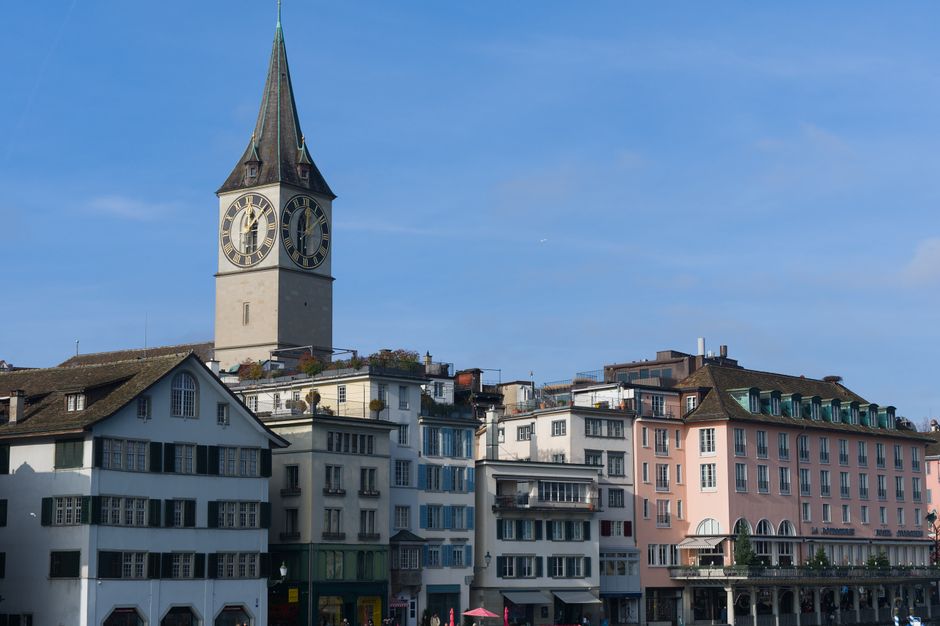
Walk along Europaallee on any Tuesday morning and you'll see it: young professionals clutching flat whites, filing into gleaming coworking spaces where monthly memberships start at CHF 599. The future of work has arrived in Zurich, and it looks decidedly optimistic. Yet beneath the glass facades and collaboration pods lies a more troubling reality that the city's booming tech sector would rather not discuss.
Switzerland's largest city has emerged as a coworking hub, with spaces like Kraftwerk in the Kreis 5 industrial zone and WeWork's sprawling campus near the Europaplatz attracting thousands of remote workers and freelancers. The appeal is obvious: flexibility, community, and escape from isolation. But this promise obscures deepening ethical fissures.
The surveillance question looms largest. Many Zurich coworking operators now deploy motion sensors, keystroke monitoring, and badge-swipe analytics to optimize space usage and invoice tenants. While framed as "efficiency," these systems raise uncomfortable questions about worker privacy that Swiss labour law has yet to adequately address. A freelancer using a shared desk is neither employee nor independent contractor-a legal grey zone with minimal protections.
Inequality compounds the problem. At CHF 599 monthly for hot-desking-or CHF 1,299 for dedicated space-coworking remains inaccessible to many. The result: a two-tier work ecosystem in which established tech workers enjoy community and amenities while precarious gig economy participants labour in isolation or unregulated cafés. Zurich's housing crisis-average rent of CHF 2,300 for a one-bedroom-means remote work often means confined home offices, yet coworking remains a luxury.
Mental health risks deserve greater scrutiny too. The pandemic normalized remote work partly because commuting to offices proved unsustainable. Yet coworking spaces can recreate those pressures: performative presence, constant networking expectations, and the erosion of boundaries between work and personal time. Zurich's mental health services already struggle with capacity; flexible work's psychological toll remains largely unstudied.
Perhaps most troublingly, coworking's growth has enabled what labour advocates call "responsibility washing." Companies hire coworking residents as contractors, avoiding employment taxes, benefits, and pension contributions that anchor Switzerland's social fabric. It's economically efficient, perhaps. Socially sustainable? Decidedly not.
The promise remains real. Remote work offers genuine liberation from commuting, rigid schedules, and geographic constraint. But Zurich's tech leaders must confront uncomfortable truths: flexibility without regulation becomes precarity; community without labour protections becomes atomization; efficiency without equity becomes exploitation. The future of work won't be determined by how many coworking spaces open on Europaallee-but by whether we demand better guardrails.
This article was compiled by AI and screened before publishing. See our editorial standards.
How does this story make you feel?
Spread the word
About this article
Published by The Daily Zurich
Daily brief
Free, in your inbox before 7am. Weekdays.
More in tech


