Technology
Smart City Promise Meets Ethical Reckoning: What Zurich's Digital Transformation Really Means
As the city pursues ambitious tech-driven governance, officials and residents grapple with surveillance risks, equity gaps, and the fundamental question of who controls urban data.
How we reported this
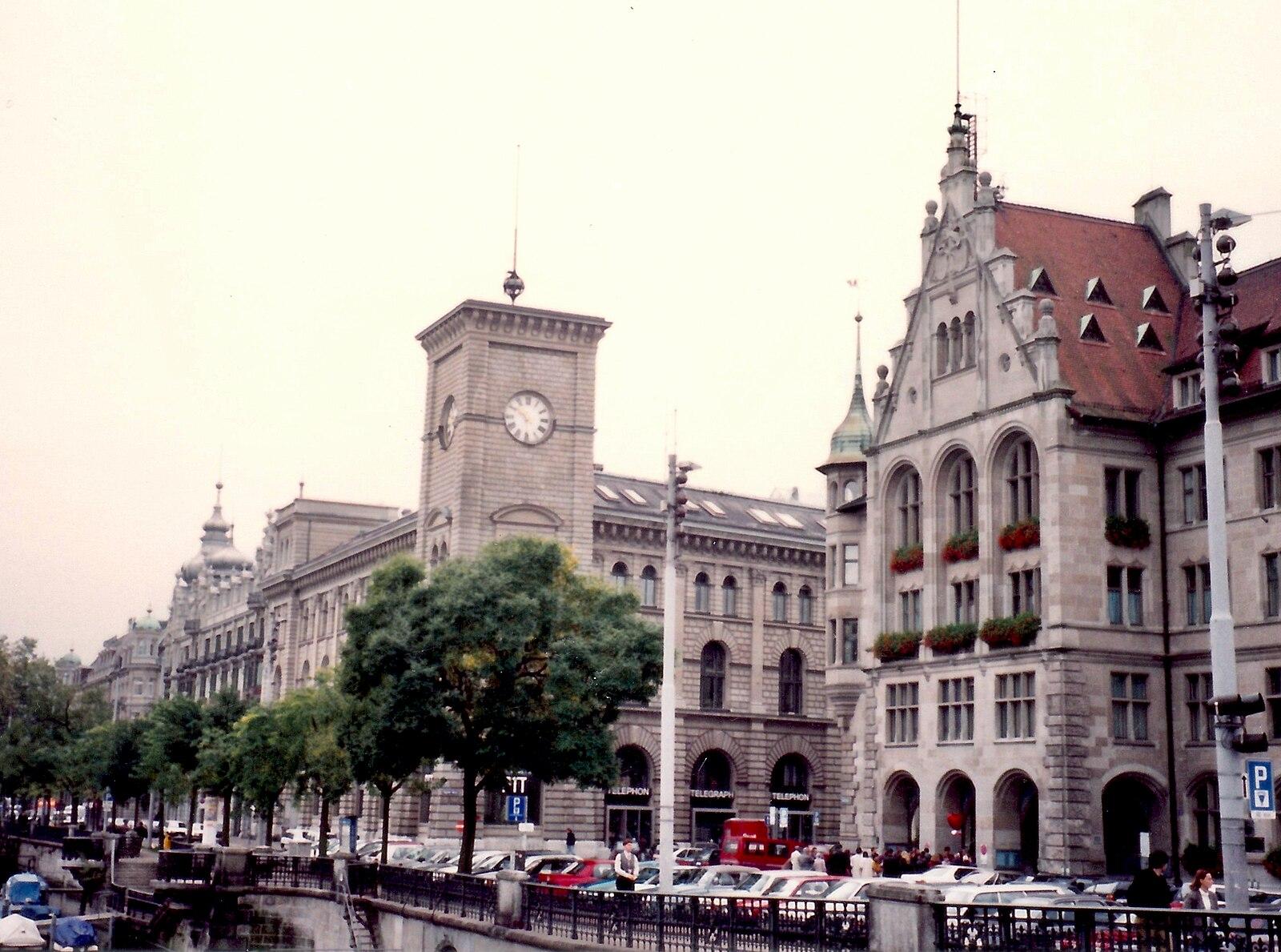
Zurich's gleaming tech corridor around Europaplatz has become synonymous with innovation, yet the city's push toward becoming a 'smart city' is exposing uncomfortable tensions between efficiency and ethics that civic leaders can no longer ignore.
The Smart City Zurich initiative, launched in partnership with local universities and firms, promises optimised traffic flows, reduced energy consumption, and responsive public services. Pilot projects in districts like Aussersihl and Wiedikon have already deployed IoT sensors and AI-powered systems to monitor everything from parking availability to air quality. City administrators tout measurable wins: a 12% reduction in average commute times on selected routes, and an estimated CHF 8.4 million in annual energy savings.
Yet this efficiency comes with hidden costs. Privacy advocates worry that the sensor networks being installed across Bahnhofstrasse, along the Limmat, and in residential neighbourhoods amount to pervasive surveillance infrastructure. Unlike traditional CCTV, these systems collect behavioural data-movement patterns, congregation points, even inferential information about residents' routines-often without explicit consent or understanding from those being monitored.
'We're racing toward technological solutions without adequate democratic deliberation,' says the Stiftung für Konsumentenschutz, which has raised concerns about data ownership, algorithmic bias, and the absence of meaningful public input in system design.
The equity question cuts deeper. Smart city services require digital literacy and smartphone access; elderly residents and economically marginal communities risk being left behind. Early data from Zurich's integration of e-governance platforms shows lower uptake in neighbourhoods with higher concentrations of non-German speakers and lower incomes, potentially widening service disparities even as the city claims to improve access.
There's also the matter of corporate capture. Tech firms handling Zurich's data infrastructure have commercial incentives that may not align with public interest. Questions linger about vendor lock-in, opaque algorithms, and whether city planners truly understand the systems they've deployed.
City council members have begun acknowledging these tensions. Recent meetings at the Stadtkanzlei have featured frank discussions about establishing clearer data governance frameworks, independent audits of algorithmic systems, and community oversight mechanisms. Some proposals include mandatory transparency reports and citizen review boards.
Zurich's smart city ambitions aren't going away-the technology is too embedded, the efficiency gains too real. But the conversation is evolving. The real innovation may not be the sensors or algorithms, but whether the city can build digital transformation that is genuinely accountable, inclusive, and shaped by the people it affects.
That challenge, unlike a traffic algorithm, has no simple optimisation.