Zurich's Tech Boom Powered by Record Venture Capital ...
Swiss startups are raising unprecedented funding levels in 2026, reshaping the city's innovation ecosystem from the Europaplatz to the emerging tech corridors of Wiedikon.
Swiss startups are raising unprecedented funding levels in 2026, reshaping the city's innovation ecosystem from the Europaplatz to the emerging tech corridors of Wiedikon.
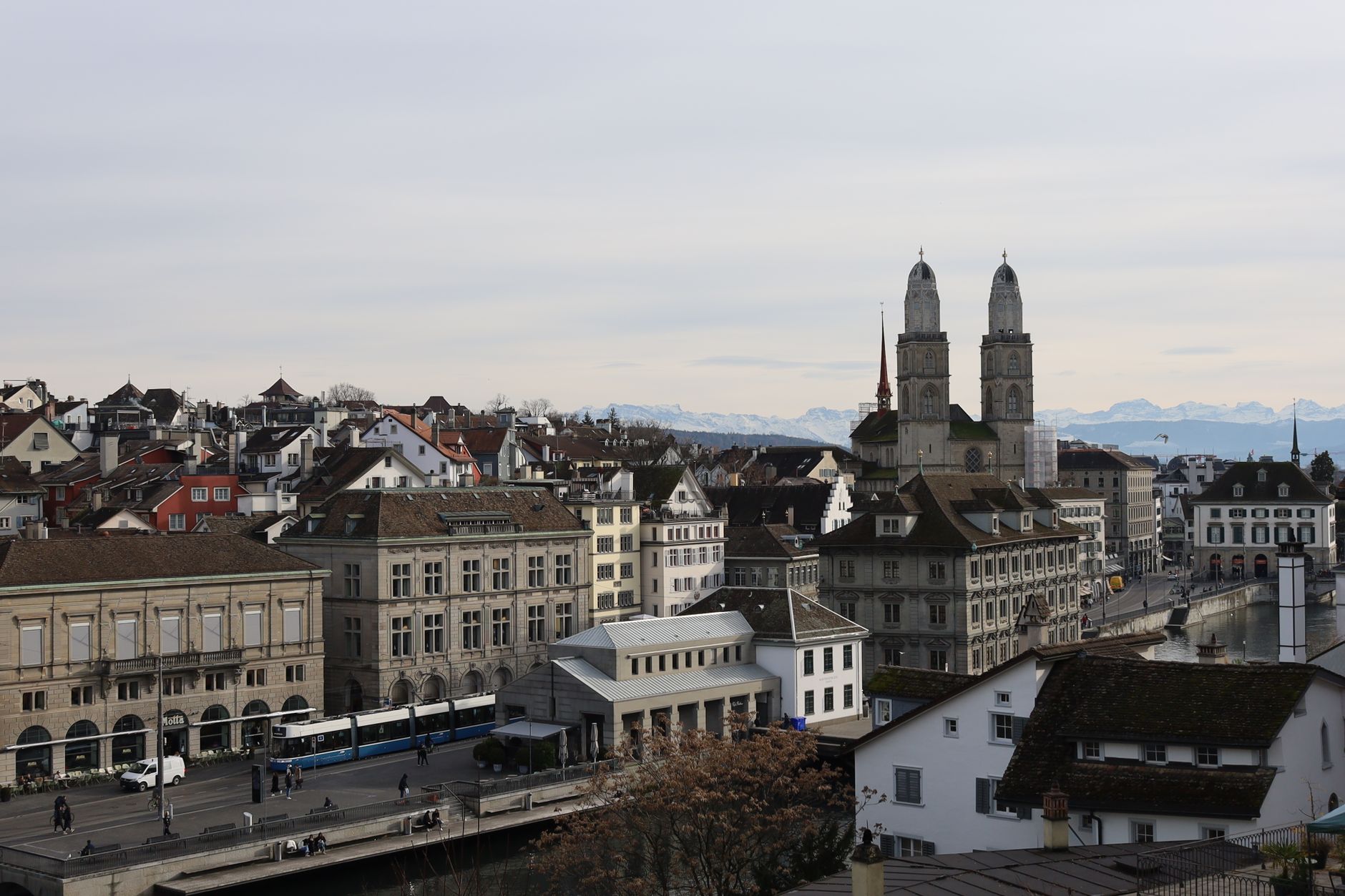
Zurich's startup ecosystem is experiencing a funding renaissance that rivals pre-pandemic investment peaks. Through the first half of 2026, venture capital commitments to Swiss tech companies have reached CHF 1.8 billion, with Zurich-based firms capturing roughly 40 percent of that total—a significant jump from the 28 percent share recorded in 2024, according to data compiled by the Swiss Venture Capital Association.
The shift reflects a broader structural change in how the city is attracting capital. While traditional pharma and fintech strongholds on the Bahnhofstrasse continue to draw institutional money, a new generation of deep-tech and climate-focused startups is emerging from innovation hubs clustering around the Europaplatz and the Zurich Innovation Quarter near the Polytechnic (ETH). These neighborhoods have become magnets for early-stage funding, with Series A rounds now routinely exceeding CHF 10 million—compared to CHF 4–6 million just three years ago.
Several macro trends explain the acceleration. First, the Swiss National Bank's interest rate policy has made venture capital comparatively attractive for institutional investors seeking yield beyond traditional bond markets. Second, Switzerland's regulatory clarity around AI, blockchain, and biotech has positioned Zurich as a preferred hub for founders navigating European compliance frameworks. Third, the influx of remote-work talent has expanded the talent pool beyond Switzerland's borders, reducing hiring friction that previously constrained growth-stage expansion.
Private equity firms and family offices based in the greater Zurich region—including players managing assets from lakeside villas in Kusnacht and Zollikon—have also become more aggressive allocators to early-stage tech. This local capital, combined with increased attention from international VCs in Berlin, London, and San Francisco, has created a more competitive funding environment that rewards execution and market traction.
On the ground, this translates to observable changes. Commercial real estate rents in Wiedikon and the Industriequartier have risen 15–22 percent year-over-year, reflecting demand from scaling startups seeking affordable space compared to central districts. Co-working operators report near-full occupancy, and networking events at venues like the Impact Hub Zurich now regularly draw 200+ attendees.
Not all capital flows equally. Hardware and climate tech companies have seen the strongest fundraising momentum, while traditional SaaS startups face fiercer competition and longer closing timelines. Yet the overall trend is unmistakable: Zurich's tech scene is maturing into a serious contender for European venture capital, driven by structural advantages and investor appetite that show no signs of cooling before year-end.
This article was compiled by AI and screened before publishing. See our editorial standards.
How does this story make you feel?
Spread the word
About this article
Published by The Daily Zurich
Daily brief
Free, in your inbox before 7am. Weekdays.
More in tech


