Why Zurich's Internet Plans Reflect a Tech Ecosystem ...
As the world's fintech and blockchain capital, Zurich's connectivity demands are reshaping how telecom providers compete—and what households actually need.
As the world's fintech and blockchain capital, Zurich's connectivity demands are reshaping how telecom providers compete—and what households actually need.
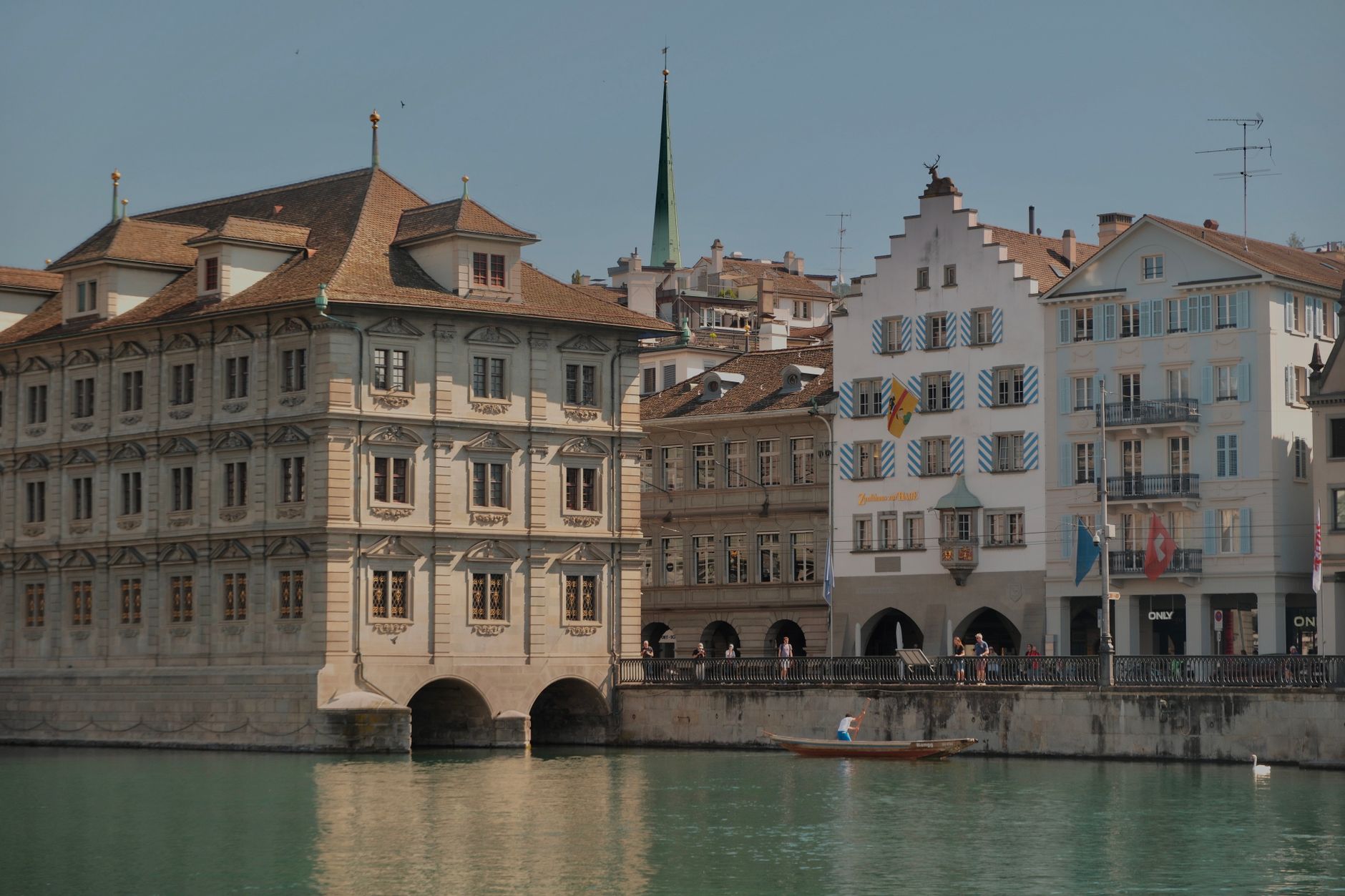
Walk through the gleaming corridors of the Europaplatz financial district or grab coffee in a Kreis 5 startup hub, and you'll notice something: Zurich's digital infrastructure doesn't just serve residents—it powers a global financial nervous system. That reality shapes every internet and mobile plan available to households here in ways that distinguish this city from Frankfurt, London, or Singapore.
The numbers tell the story. Zurich hosts over 8,000 fintech and blockchain companies, according to the Zurich Chamber of Commerce. That density means telecom providers—Swisscom, UPC Cablecom, and newer entrants like Sunrise—have engineered plans built for continuous, ultra-reliable connectivity rather than casual browsing. Average household broadband speeds here hover around 250 Mbps for fibre connections, significantly higher than most European cities, because demand from remote traders, crypto developers, and financial engineers is relentless.
This creates distinctive pressures. Swisscom's premium residential packages now emphasize redundancy and uptime guarantees—features you'd normally find in business offerings. The company's Ultra Fiber package, starting at CHF 129 monthly, guarantees 99.5% availability, a metric born directly from serving a population where dropped connections mean lost microseconds and vanished opportunities. UPC's rival offering delivers similar guarantees, pushing the entire market upward.
Mobile plans reflect the same principle. With companies like Crypto Finance headquartered on Bahnhofstrasse and the Blockchain Center operating near Hauptbahnhof, providers have optimized 5G rollout around financial districts and coworking spaces—not just residential zones. Swisscom and Sunrise both offer corporate-grade mobile packages to consumers, bundling them with priority data access during peak hours. A typical Zurich household pays CHF 60–90 monthly for unlimited mobile data, roughly 20 percent higher than Geneva or Basel, but with SLA-adjacent reliability.
What's truly distinctive is how this shapes consumer expectations. In most European cities, households accept occasional network congestion. In Zurich, it's treated as a service failure. Providers respond by building infrastructure that supports not just current demand but the next wave of financial innovation—whether that's quantum-encrypted trading platforms or distributed ledger applications emerging from the ETH or University of Zurich computer science departments.
This isn't coincidence. Zurich's internet and mobile landscape is fundamentally shaped by its role as a global financial technology epicenter. For households here, that means better connectivity than comparable European cities—but also paying a premium for infrastructure designed around the world's most demanding digital economy.
This article was compiled by AI and screened before publishing. See our editorial standards.
How does this story make you feel?
Spread the word
About this article
Published by The Daily Zurich
Daily brief
Free, in your inbox before 7am. Weekdays.
More in tech


