From Queues to Clicks: How Zurich's Smart City Push Is Reshaping Daily Life for Residents
Digital transformation initiatives across the city are streamlining everything from parking on Bahnhofstrasse to permit applications in Kreis 5.
Digital transformation initiatives across the city are streamlining everything from parking on Bahnhofstrasse to permit applications in Kreis 5.
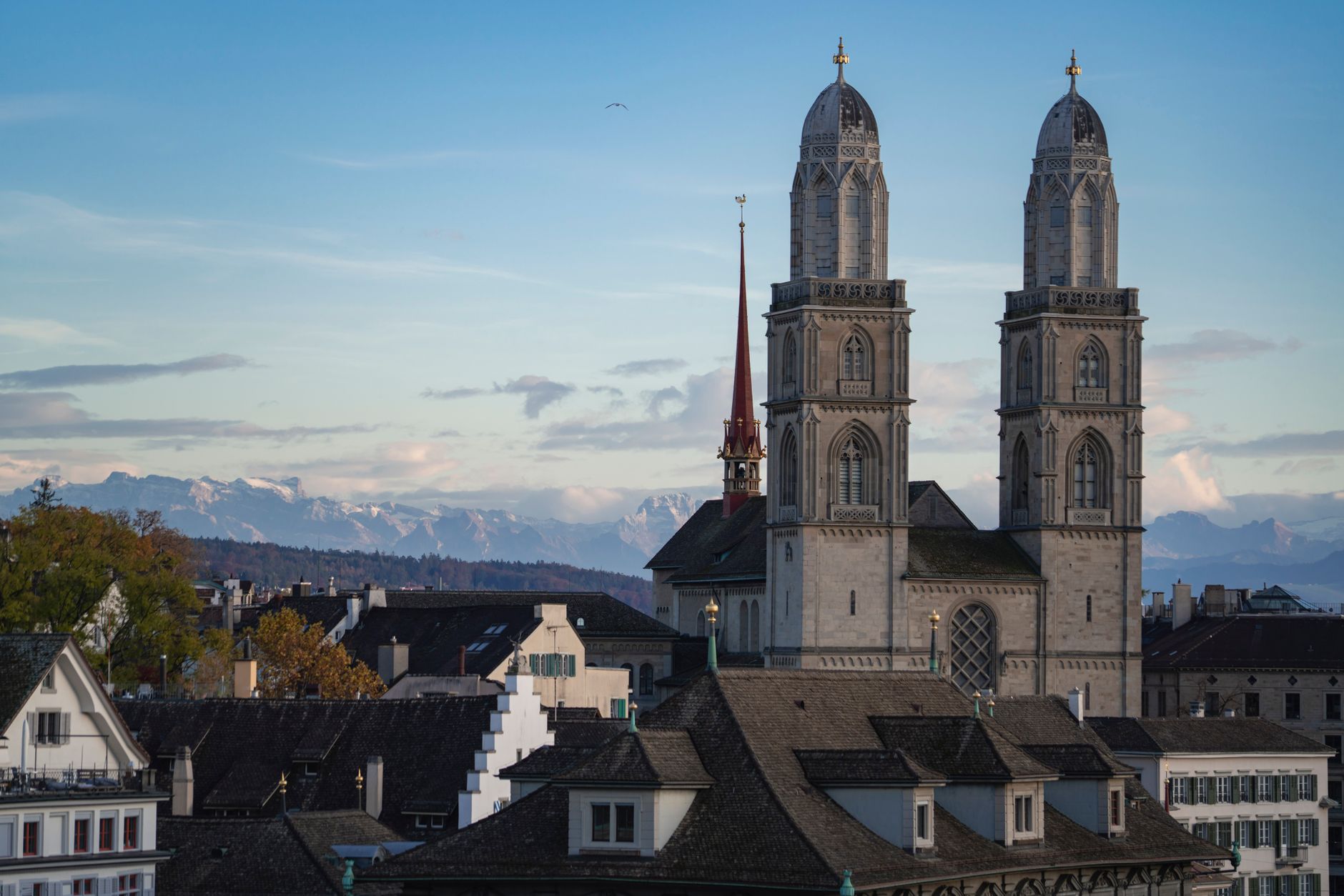
Walking through Zurich's Europaplatz on a Tuesday morning, the changes are subtle but unmistakable. The parking garage beneath the transport hub now operates almost entirely through a mobile app—no tickets, no lost receipts, just seamless digital payment integrated with the city's broader mobility network. For the estimated 2.3 million monthly commuters navigating Zurich's inner districts, such convenience has become the new standard.
The city's smart city transformation, quietly accelerating over the past three years, has fundamentally altered how residents interact with municipal services. The Zurich City Council's investment in integrated digital platforms has reduced average processing times for residential permits by 60 percent, according to internal city administration data. What once meant a visit to the Kreis offices in Wiedikon now takes minutes from a home computer.
The shift extends beyond bureaucracy. Along the Limmat's eastern embankments, real-time air quality sensors feed data to a public dashboard, allowing residents to plan outdoor activities with unprecedented precision. Neighbourhood groups in Altstetten and Aussersihl are leveraging the city's open data portal—launched in 2024—to track everything from bin collection schedules to flooding risk assessments, transforming how communities engage with urban planning.
Not everyone celebrates the transition. Privacy advocates have raised concerns about the proliferation of sensors across residential areas, particularly around Bellevue and near the University of Zurich campus. The city's data governance framework attempts to address these worries, though tensions persist between innovation and individual rights.
Yet the practical benefits are evident. Emergency response times have improved by an estimated 12 percent since the integration of real-time incident reporting across city districts. Public transport integration—linking tram, bus, and train schedules through unified digital systems—has convinced roughly 18 percent more residents to abandon cars for daily commutes, according to ZVV (Zurich Public Transport) figures.
The economic implications are substantial. Zurich's competitive advantage as a global tech hub depends partly on demonstrating that smart city principles work at scale. Companies like SBB and Siemens, both operating significant offices in the city, have expanded their presence specifically to leverage Zurich's digital infrastructure as a testing ground.
As summer 2026 brings new initiatives—including expanded smart waste management zones in Kreis 8—residents will encounter yet more digital touchpoints. Whether these changes represent genuine improvement or merely bureaucratic efficiency repackaged remains contested. What's certain is that Zurich's experiment in urban digitization is reshaping expectations about what city living should feel like in the 2020s.
This article was compiled by AI and screened before publishing. See our editorial standards.
How does this story make you feel?
Spread the word
About this article
Published by The Daily Zurich
Daily brief
Free, in your inbox before 7am. Weekdays.
More in tech


