Why Zurich's Fintech Ecosystem Stands Apart in a Crowded Global Market
A unique blend of banking heritage, regulatory pragmatism, and startup hunger is making Switzerland's largest city a distinctive force in financial innovation.
A unique blend of banking heritage, regulatory pragmatism, and startup hunger is making Switzerland's largest city a distinctive force in financial innovation.
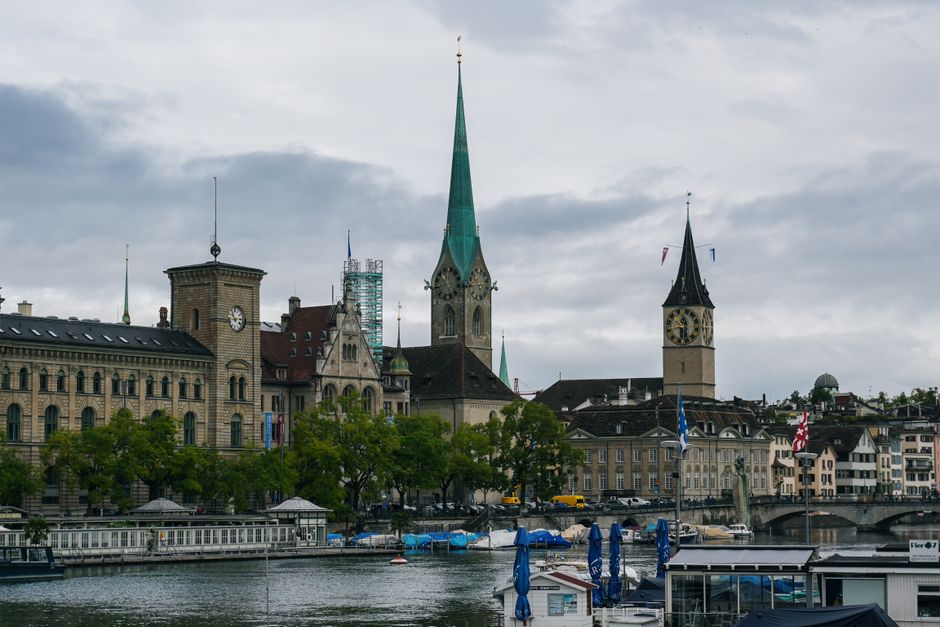
Walk through the Europaplatz district on any weekday morning, and you'll encounter a paradox that defines Zurich's fintech moment: century-old banking institutions sharing office space with three-person crypto startups, all operating within a regulatory framework that somehow accommodates both traditions and disruption.
This coexistence—virtually impossible in London's more fragmented tech scene or Silicon Valley's winner-take-all culture—represents what makes Zurich's financial technology ecosystem genuinely distinctive globally. It's not the only place building fintech companies. But it may be the only place building them this way.
The numbers tell part of the story. Zurich hosts over 650 fintech companies, according to recent industry surveys, generating roughly CHF 8 billion in annual revenue across the sector. That's remarkable for a city of 400,000 people. But raw figures miss the deeper distinction: these aren't companies fleeing regulatory scrutiny or operating in legal gray zones. They're operating inside a system designed to accommodate innovation without abandoning the stringency that made Swiss banking synonymous with stability for two centuries.
The Crypto Valley narrative—Zug, 40 kilometres south—gets outsized international attention. But Zurich itself hosts a more subtle ecosystem. The Altstetten neighbourhood has emerged as an unexpected hub, with lower office rents than central locations attracting both established fintech players and younger founders. The Zurich Blockchain Center at the University of Zurich, meanwhile, has become a rare institution that bridges academic rigour and practical industry needs.
What truly distinguishes this ecosystem is institutional pragmatism. Swiss regulators—particularly FINMA, the Financial Market Supervisory Authority—have developed pathways for experimental regulation that neither Silicon Valley's move-fast-and-break-things mentality nor Europe's risk-averse frameworks quite match. A fintech founder can pilot a novel payment system or asset tokenization project here without relocating to Malta or Dubai.
The inherited infrastructure matters too. Access to established banking relationships, deep expertise in private banking and asset management, and existing connections to global capital flows create advantages for startups that London-based competitors must laboriously build. A payment platform or wealth management app launched from Zurich arrives pre-credentialed in ways that demand years of relationship-building elsewhere.
Perhaps most distinctively: Zurich's fintech ecosystem doesn't position itself as anti-banking. Many leading companies here explicitly partner with traditional institutions rather than attempting disruption theatre. That pragmatism—rooted in Swiss business culture itself—creates sustainability that flashier scenes often lack.
As global fintech capital becomes increasingly diffuse, Zurich's particular formula—regulation as enabler rather than obstacle, heritage institutions as collaborators rather than dinosaurs, and startup culture embedded within banking DNA—remains genuinely singular.
This article was compiled by AI and screened before publishing. See our editorial standards.
How does this story make you feel?
Spread the word
About this article
Published by The Daily Zurich
Daily brief
Free, in your inbox before 7am. Weekdays.
More in tech


