Zurich's Clean Energy Pipeline: What's Coming Next in Green Tech
From hydrogen storage breakthroughs to AI-powered grid management, Swiss innovators are racing to deploy the next generation of sustainability solutions.
From hydrogen storage breakthroughs to AI-powered grid management, Swiss innovators are racing to deploy the next generation of sustainability solutions.
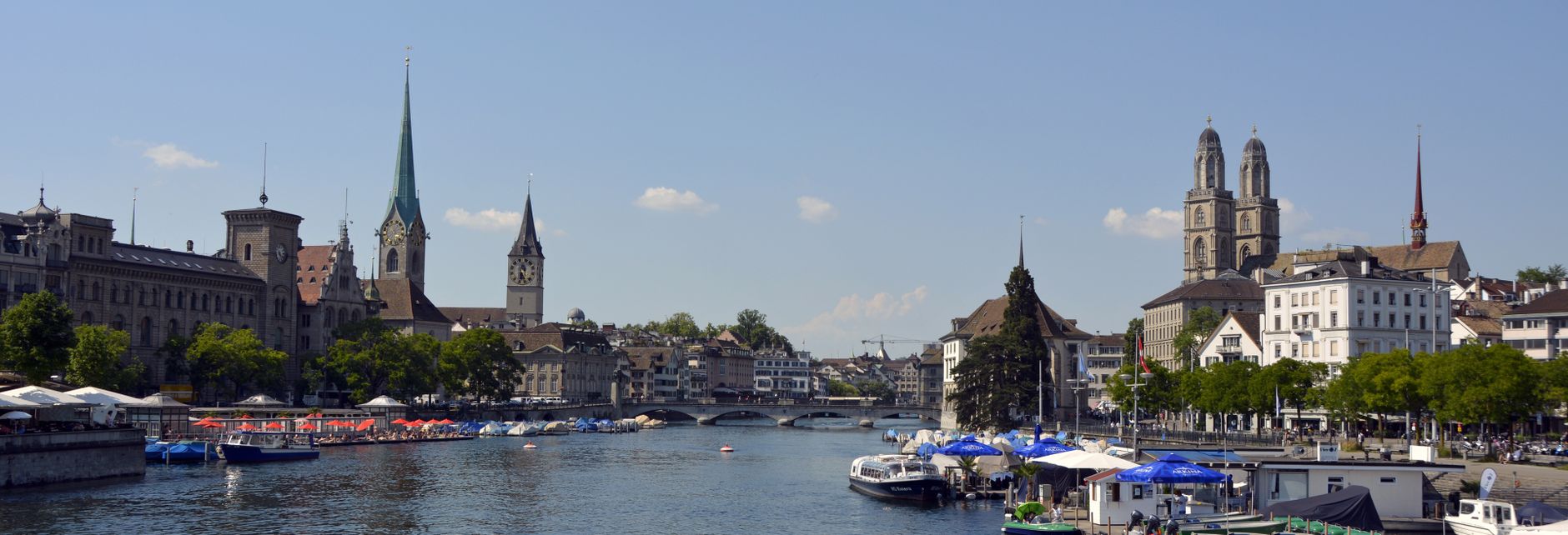
Zurich's reputation as a global innovation hub is about to get a significant boost from its clean energy sector. Over the next 18 months, a wave of new products and technologies developed by local startups and established firms are set to reshape how the city—and beyond—generates, stores, and consumes renewable energy.
One of the most promising developments is emerging from laboratories in the Zurich West district, where several companies are advancing solid-state battery technology designed specifically for grid-scale energy storage. These systems, expected to reach pilot deployment by late 2027, promise 40% higher energy density than current lithium-ion alternatives, addressing a critical bottleneck in Switzerland's renewable transition. With intermittency from wind and solar requiring robust storage solutions, these innovations could prove transformative for the country's 2035 decarbonisation targets.
Meanwhile, hydrogen infrastructure is gaining traction. The Port of Zurich—a less-publicized but significant industrial hub along the Limmat—is hosting trials for green hydrogen production and distribution networks. Industry analysts expect commercial-scale hydrogen fuel-cell buses to enter Zurich's public transport fleet by 2027, with the goal of eventually replacing diesel routes on suburban lines serving areas like Altstetten and Schlieren.
Equally significant is the maturation of AI-driven smart grid technology. Software companies clustered around the Technopark and ETH's Innovation Park are developing machine-learning systems that optimize energy distribution across Zurich's network in real time. These platforms can predict demand fluctuations with unprecedented accuracy, reducing waste and lowering consumer costs. Early pilot programs in districts including Wiedikon have reported 15-20% improvements in grid efficiency.
The city itself is doubling down on commitment. The Zurich Department of Environmental Protection has earmarked CHF 85 million for distributed renewable infrastructure through 2028, with particular emphasis on rooftop solar integration and district heating systems powered by waste heat recovery. Trendier neighbourhoods like Kreis 4 are already seeing rapid adoption, with over 60% of new residential buildings now equipped with solar canopies.
Industry leaders caution that deployment speed remains uneven. Regulatory approval processes, while improving, can still delay projects by 12-18 months. Supply chain vulnerabilities also persist, particularly for critical minerals used in battery manufacturing.
Yet the trajectory is clear. By 2028, Zurich aims to be generating 80% of its electricity from renewables—up from 65% today. With these next-generation technologies moving from laboratory to street level, that ambitious target is no longer wishful thinking. It's engineering reality in motion.
This article was compiled by AI and screened before publishing. See our editorial standards.
How does this story make you feel?
Spread the word
About this article
Published by The Daily Zurich
Daily brief
Free, in your inbox before 7am. Weekdays.
More in tech


