Zurich's tech startups are ditching the office: and reshaping the city's coworking landscape
As remote-first culture takes hold, the startup scene around Europaallee and beyond is transforming how—and where—innovation happens.
As remote-first culture takes hold, the startup scene around Europaallee and beyond is transforming how—and where—innovation happens.
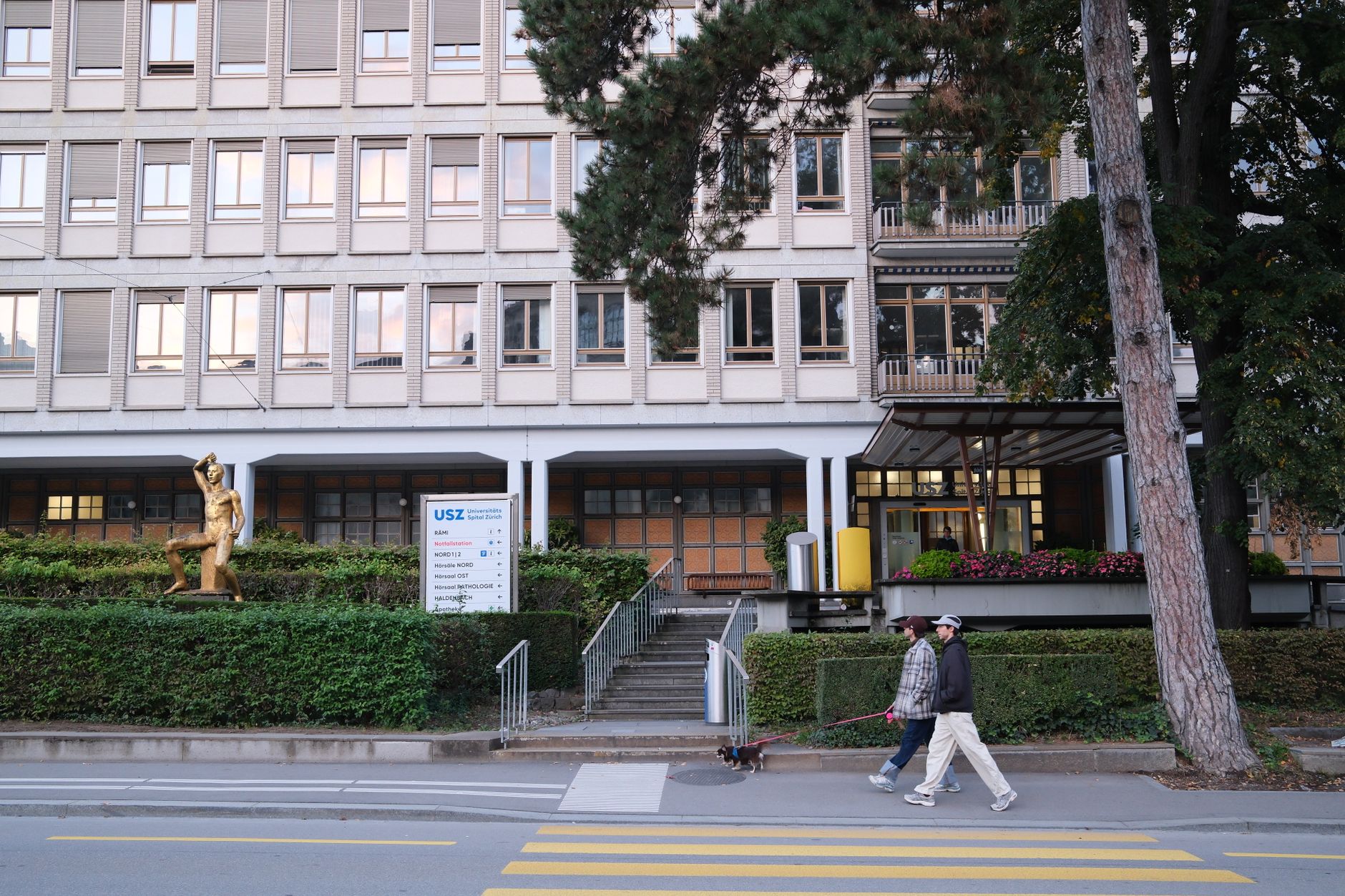
The buzz around Zurich's tech corridor has shifted noticeably over the past eighteen months. While major corporations in the Bahnhofstrasse financial district maintain traditional office footprints, the startup ecosystem is embracing a radically different approach to work—one that's reshaping real estate demand and spawning a new generation of flexible workspace operators across the city.
The transformation is most visible in Zurich West, where the Europaallee redevelopment has become ground zero for this experiment. What began as industrial warehouses has evolved into a patchwork of coworking spaces, startup hubs, and flexible offices. Spaces like Kraftwerk and emerging competitors are reporting unusually high demand from early-stage tech firms that explicitly reject the five-day office mandate. Several Swiss deep-tech startups working in quantum computing and biotech have consolidated teams across multiple cities while maintaining only part-time presence in Zurich.
The numbers tell the story. According to recent surveys of Zurich's startup ecosystem, approximately 62% of tech firms founded in the past three years operate with fully distributed or hybrid-first policies—a sharp rise from just 28% in 2023. Average monthly coworking membership costs in prime locations like Wiedikon and Aussersihl now hover around CHF 450–650, yet utilisation rates have remained surprisingly robust, suggesting operators are adapting pricing to reflect genuine demand rather than pre-pandemic scarcity.
This shift has profound implications. Traditional office landlords on Limmatstrasse and around Zurich Hauptbahnhof are facing longer vacancy periods, while nimble coworking operators are proliferating. The Swiss Startup Association reports that over 40 new flexible workspace options have launched in greater Zurich since early 2025, many explicitly targeting knowledge workers who split time between home, client sites, and occasional collaboration hubs.
Yet not everyone is convinced this trend will hold. Several prominent venture capital firms based in Zurich's financial quarter continue advocating for structured office environments, arguing that early-stage founders benefit from serendipitous hallway conversations and proximity to mentor networks. The debate mirrors global tensions between efficiency and spontaneity—between the undeniable productivity gains of focused, remote work and the harder-to-quantify value of physical proximity.
What's clear is that Zurich's future of work won't resemble 2019. The city's startups are voting with their feet, and the coworking sector is scrambling—and sometimes thriving—in response. Whether this represents permanent structural change or cyclical adjustment remains an open question, but for now, Zurich's tech scene is decisively decentralised.
This article was compiled by AI and screened before publishing. See our editorial standards.
How does this story make you feel?
Spread the word
About this article
Published by The Daily Zurich
Daily brief
Free, in your inbox before 7am. Weekdays.
More in tech


