The Zurich Startup Quietly Reshaping How Europe's Tech Elite Works
A new hybrid-work platform emerging from the Europaallee district is challenging the coworking giants—and catching the attention of Fortune 500 companies across the continent.
A new hybrid-work platform emerging from the Europaallee district is challenging the coworking giants—and catching the attention of Fortune 500 companies across the continent.
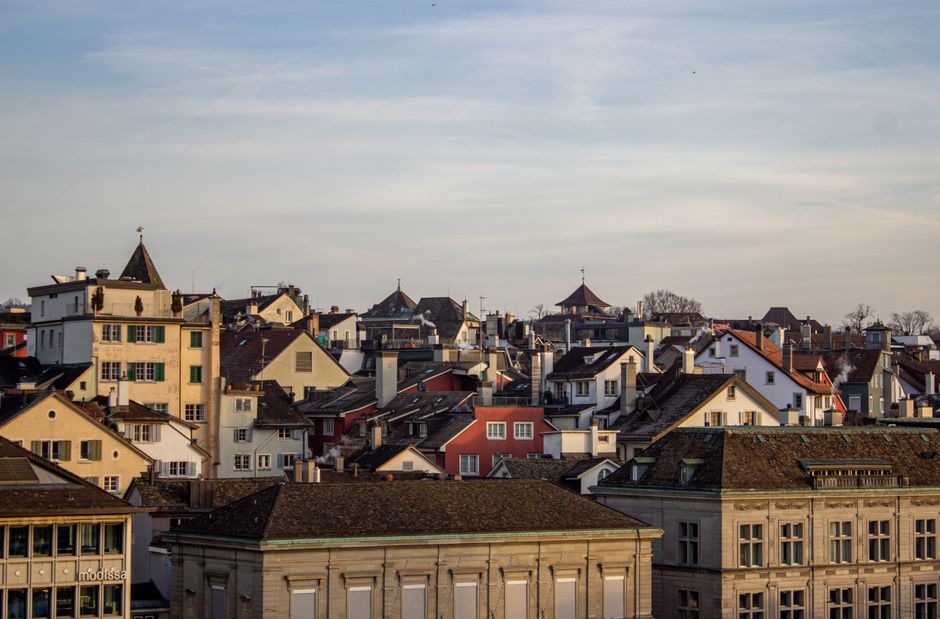
While much of Europe's tech conversation has centered on AI and venture funding, a quieter revolution is unfolding in Zurich's Europaallee district. WorkNest, a 18-month-old startup, has developed what industry insiders are calling the most sophisticated remote-work orchestration platform yet built—and it's rapidly becoming the infrastructure layer that major corporations are building their post-pandemic operations around.
Founded by a team that previously built workforce-management tools at Credit Suisse, WorkNest addresses a problem that surveys suggest affects 62% of European companies with distributed teams: the chaotic coordination between home offices, traditional corporate campuses, and the proliferation of coworking spaces. Rather than competing with WeWork or Spaces, the platform acts as an intelligent intermediary—predicting which employees should be in which locations on which days, optimizing everything from office utilization to commute patterns to team collaboration moments.
The difference from existing alternatives is granular: WorkNest's AI engine analyzes calendar patterns, project workflows, and even biometric wellness data (with explicit consent) to recommend when in-person collaboration actually matters. Early clients report 34% reductions in real estate costs and measurable improvements in employee retention—metrics that have caught the eye of major financial services firms across Switzerland and Germany.
Pricing anchors around CHF 12-18 per employee per month, positioning it significantly below the CHF 150-300 monthly cost of traditional premium coworking in central Zurich. The company currently occupies 800 square meters of office space in the Toni-Areal, the historic chocolate factory turned creative district that has become ground zero for Zurich's tech renaissance.
What's particularly notable is the local network effect. WorkNest has integrated directly with Zurich's public transport system and major corporate buildings, including partnerships with the Leutschenbach innovation hub and several major banking towers. This hyperlocal integration—unavailable in platforms built in Silicon Valley—has proven stickier than competitors anticipated.
By June 2026, WorkNest had secured Series A funding from Swiss and German institutional investors, with reported annual recurring revenue exceeding CHF 3.2 million. More significantly, three Fortune 500 companies have now deployed the platform across their European operations, suggesting this may be the infrastructure play that finally makes the distributed enterprise genuinely efficient rather than merely convenient.
For Zurich's established coworking operators, the message is clear: the future isn't about real estate anymore—it's about intelligence.
This article was compiled by AI and screened before publishing. See our editorial standards.
How does this story make you feel?
Spread the word
About this article
Published by The Daily Zurich
Daily brief
Free, in your inbox before 7am. Weekdays.
More in tech


