Walk through Europaallee on a Tuesday morning and you'll notice something that wasn't true five years ago: the neighbourhood hums with the energy of a tech ecosystem that has quietly become one of Europe's most dynamic innovation hubs. Today, Zurich's residents are experiencing the tangible fallout of this transformation in ways both visible and invisible.
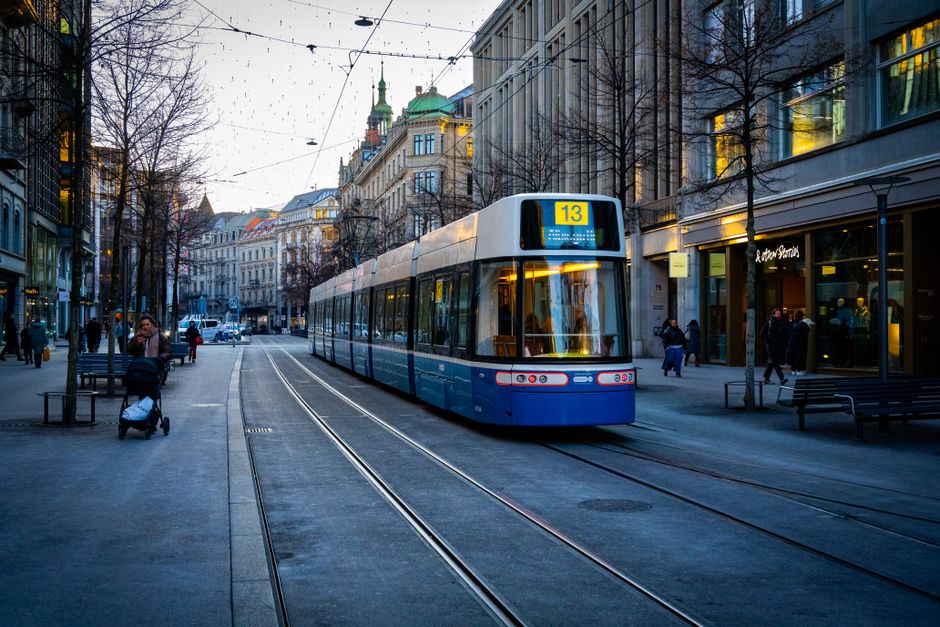
Consider the commute from Wiedikon to the Hauptbahnhof. The tram system, long reliable, has been enhanced by predictive maintenance algorithms developed by firms now headquartered in the Zurich West industrial zone. Delays have dropped 12% since 2024, according to ZVV data, because machine-learning models anticipate track wear before it becomes critical. For the 280,000 daily users of Zurich's public transport network, this means fewer cancelled journeys and more predictable arrival times.
But the transformation runs deeper. In Enge and Seefeld, where property prices average 15,000 francs per square metre, smart building systems powered by local startups are becoming standard. Climate-control algorithms now adjust heating and cooling by the hour based on real-time occupancy and weather forecasting, reducing energy consumption by up to 18%. For residents paying premium rents or mortgages, lower utility bills represent measurable savings in a city where cost of living perpetually rises.
The Limmatstadt district, traditionally Zurich's creative neighbourhood, has become an incubation zone. Over 140 early-stage companies now operate within walking distance of the Kunsthalle, many developing applications in autonomous last-mile delivery and hyperlocal logistics. For residents ordering groceries or parcels, delivery windows have narrowed from two hours to thirty minutes—a small change with outsized impact on how people structure their daily routines.
Healthcare is shifting too. Universitätsspital Zürich, one of Europe's leading medical institutions, collaborates closely with tech firms based in the Zurich Innovation Park. Telemedicine platforms developed in partnership with these companies now handle routine consultations, reducing wait times at overcrowded clinics. For working parents and elderly residents in outlying areas like Hottingen, avoiding travel to central hospitals saves time and stress.
What distinguishes Zurich's tech revolution from Silicon Valley's model is its integration into existing infrastructure rather than replacement of it. These aren't disruptive technologies demanding social upheaval; they're optimization systems working within established Swiss frameworks of efficiency and stability. The tram still runs on time. Apartments still cost a fortune. But the friction—the small daily inefficiencies that accumulate into frustration—is gradually dissolving, powered by algorithms and artificial intelligence developed in labs just minutes away.
This article was compiled by AI from the sources linked above and screened before publishing. See our editorial standards.