Zurich Tech Sector: Growth, Salaries & Social Cost
Zurich's tech industry drives 40% of Swiss tech GDP with salaries exceeding 180,000 CHF, but rapid growth raises questions about wealth concentration and city affordability.
Zurich's tech industry drives 40% of Swiss tech GDP with salaries exceeding 180,000 CHF, but rapid growth raises questions about wealth concentration and city affordability.
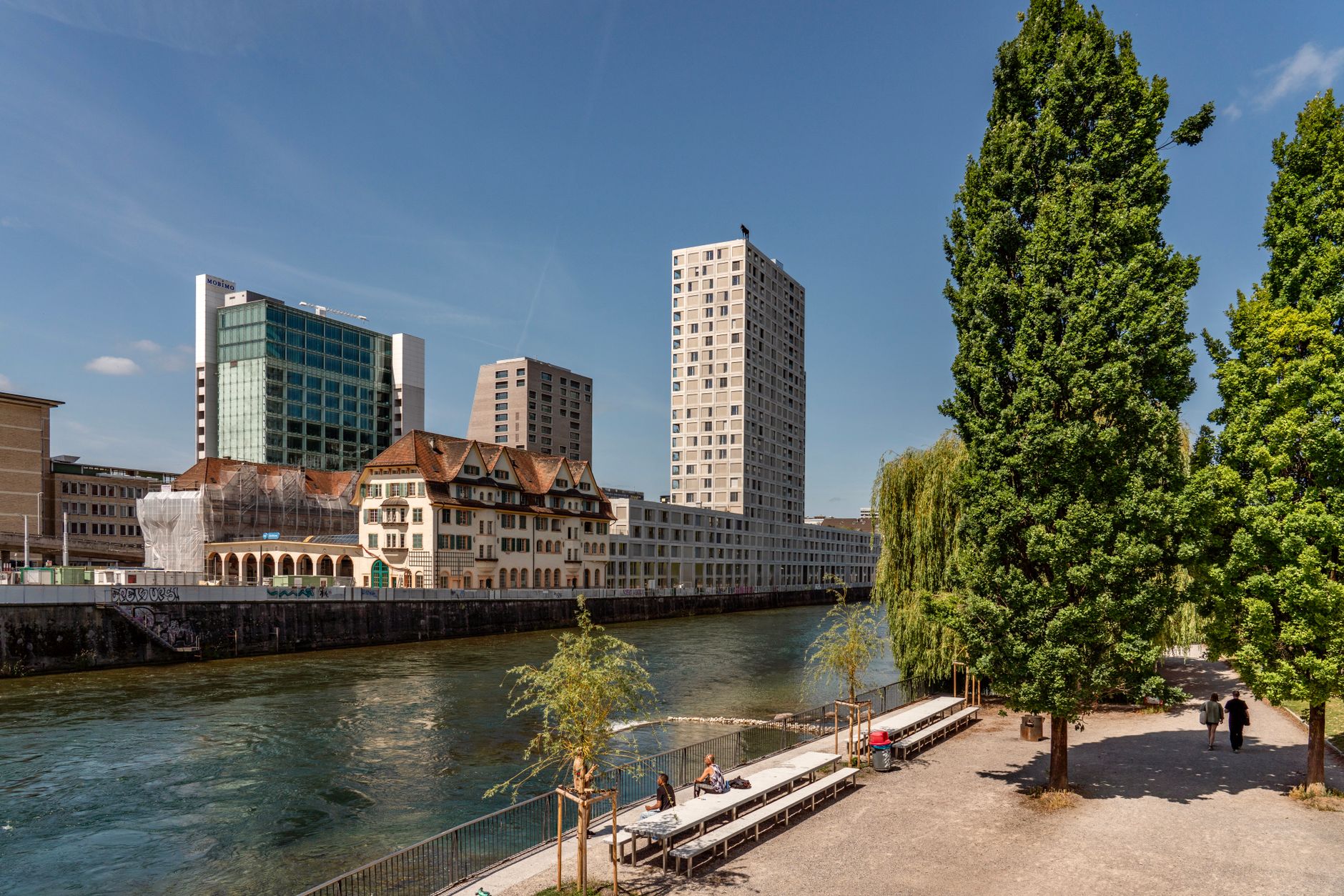
Walk down Europaallee on any given afternoon and you'll see the physical manifestation of Zurich's tech ascendancy: gleaming office campuses, startup incubators, venture capital firms clustering in refurbished industrial spaces. The numbers tell a compelling story. Switzerland's tech sector now contributes an estimated 8.4% to GDP, with Zurich accounting for roughly 40% of that value. Salaries in the sector regularly exceed 180,000 CHF annually, nearly double the Swiss median.
Yet beneath this glittering narrative lies a more complicated reality that city policymakers, entrepreneurs, and civic leaders are increasingly forced to confront.
The concentration of wealth in tech has become impossible to ignore. While companies like those anchored in the Zurich Innovation Hub generate extraordinary returns for shareholders and early employees, affordable housing has become a chimera for ordinary residents. Rental prices in central districts have surged 23% in the past three years alone. Young teachers, nurses, and artists—the cultural backbone of any thriving city—are being systematically priced out.
Data privacy represents another flashpoint. Zurich's reputation for discretion and banking confidentiality sits uneasily alongside the surveillance capitalism exported by many tech firms headquartered or operating here. How these companies handle citizen data remains poorly regulated, with authorities in Cantonal and City Hall still catching up to the pace of innovation.
The labor question cuts deeper still. Tech's relentless pursuit of efficiency—automation, AI, algorithmic management—promises productivity gains. But for workers across the broader economy watching their sectors disrupted without corresponding social safety nets, the promise rings hollow. Zurich's unemployment rate remains low by global standards, yet underemployment and precarious gig work have surged.
There's also the question of what innovation actually serves. Funding in fintech and blockchain development dwarfs investment in climate tech or healthcare applications. The incentive structures favor what's profitable over what's necessary.
City authorities recognize these tensions. Recent discussions around tech taxation, labor standards, and data governance suggest Zurich wants to position itself not just as an innovation leader, but as a responsible one. The question is whether voluntary cooperation from the sector—which lobbies fiercely against regulation—will prove sufficient.
Zurich's tech scene is undeniably impressive. But a truly sustainable innovation hub requires grappling honestly with its costs, not merely celebrating its gains. The city's next chapter will be defined not by how much wealth it generates, but by how thoughtfully it distributes the benefits—and mitigates the harms.
This article was compiled by AI and screened before publishing. See our editorial standards.
How does this story make you feel?
Spread the word
About this article
Published by The Daily Zurich
Daily brief
Free, in your inbox before 7am. Weekdays.
More in tech