Technology
Zurich Startups Raised Nine-Figure Exits, Attracting Major Venture Capital
A surge in early-stage rounds and a clutch of nine-figure exits are rewriting the funding story behind Switzerland's most active tech corridor.
How we reported this
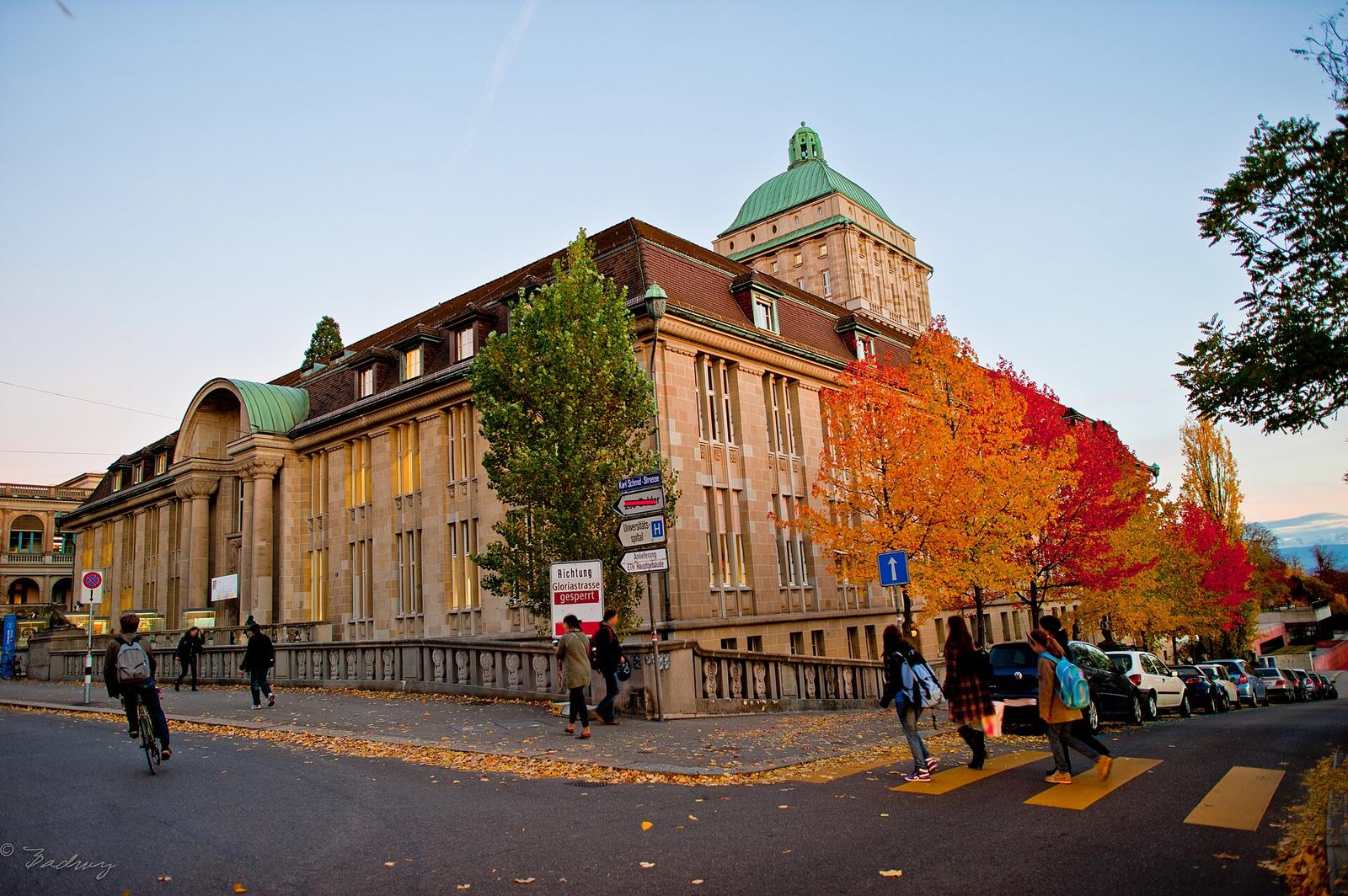
Zurich attracted more than CHF 2.1 billion in venture capital across 187 deals in 2025, according to figures compiled by Swiss Venture Capital Report published in January 2026, its highest annual total on record. That money is increasingly flowing not to late-stage rounds propped up by foreign mega-funds, but to seed and Series A deals anchored by homegrown investors betting early on founders coming out of ETH Zurich and the University of Zurich.
The timing matters. Global VC volumes contracted for the third consecutive year in 2025 as high interest rates kept institutional capital cautious. Zurich bucked that trend. The city's ability to do so is rooted in a structural advantage: a university-to-startup pipeline that has been compounding quietly for two decades is now producing companies at a rate that institutional capital can no longer ignore.
The Geography of Capital
The action clusters around a tight geography. The Zurich West district, anchored by the old industrial corridor running past Hardbrücke station, now hosts more than 60 active startups between Technopark Zürich on Technoparkstrasse and the Impact Hub Zürich on Sihlquai. Technopark alone counts over 350 companies in residence and processed 14 new tenancies in the first quarter of 2026. Meanwhile, ETH Zurich's Innovation and Entrepreneurship Lab, housed on the Hönggerberg campus, logged 41 spin-off incorporations in 2025, up from 33 the previous year.
The investor base has matured alongside that supply. Zurich-headquartered Wingman Ventures, Founderful, and Verve Ventures have each raised new funds since 2024, collectively deploying roughly CHF 280 million into Swiss early-stage companies over the past 18 months. That domestic capital layer is significant: it means founders are closing their first CHF 1-3 million rounds without needing to fly to London or Palo Alto, which was standard practice as recently as 2019.
Deep tech is pulling the biggest cheques. Semiconductor design, quantum computing, and climate-adjacent hardware, not consumer apps, are where the large rounds are landing. Zurich-based Dectris, which makes X-ray detector systems, and battery materials company Battrion are among the names that closed eight-figure rounds in the past twelve months, drawing participation from European and American institutional funds that previously had thin Swiss exposure.
What the Exit Record Is Telling Investors
Exits are the real accelerant. When Corti, a Danish-Swiss AI health company with substantial Zurich engineering headcount, completed its acquisition by a US strategic buyer in late 2025 at a reported valuation north of USD 500 million, it gave Swiss limited partners a data point they had been waiting years to see. Returns at that scale justify the asset class to Swiss pension funds and family offices that have historically parked capital in real estate on Bahnhofstrasse rather than in early-stage equity.
The Swiss Federal Innovation Agency, Innosuisse, also deserves some of the structural credit. Its bridge funding program, which offers non-dilutive grants of up to CHF 150,000 to pre-revenue startups meeting commercialisation milestones, has processed over 900 applications since 2020 and is widely credited by founders in Zurich with letting them reach proof-of-concept without giving away equity at the worst possible moment.
The near-term picture has wrinkles. Office rents in Zurich West have climbed sharply, prime co-working desks at Technopark now run CHF 650 to 900 per month, putting pressure on bootstrapped teams. Talent costs remain the steepest in continental Europe. And a strong Swiss franc continues to complicate revenue projections for any startup selling into euro-denominated markets.
For founders currently raising, advisers in the ecosystem are pointing to one consistent signal: the Series B gap is narrowing. Three years ago, companies that closed a strong Series A in Zurich routinely had to relocate partly to London or Berlin to attract a credible Series B lead. In the first half of 2026, four Zurich-based startups closed Series B rounds of CHF 20 million or more with at least one Swiss institutional co-investor at the table. That shift, small in absolute terms, is the most consequential structural change the local ecosystem has seen this decade.