Five Evidence-Based Stress Fixes That Actually Work in Zurich's High-Pressure Environment
From lakeside walks to structured breathing, here's what science says works—and why Zurich's unique landscape makes these techniques especially effective.
From lakeside walks to structured breathing, here's what science says works—and why Zurich's unique landscape makes these techniques especially effective.
Zurich consistently ranks among the world's most expensive cities and highest-quality-of-life locations simultaneously—a paradox that creates particular pressure. Swiss workers report above-average stress levels despite exceptional healthcare access, according to recent workplace wellness surveys. The good news: Zurich's geography and infrastructure make several evidence-based stress-management techniques unusually effective.
1. Prescribed lakefront walking
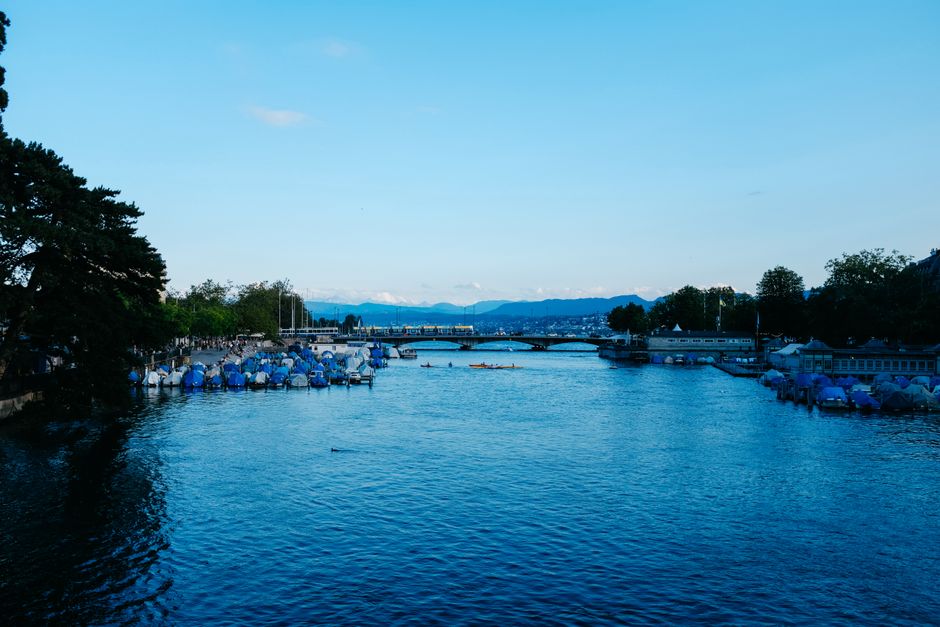
The Zurich Lakefront promenade, stretching from Wollishofen to Mythenquai, offers what researchers call "blue space therapy." Studies published in *Frontiers in Psychology* show that water proximity reduces cortisol levels more effectively than urban parks alone. A 20-minute walk along the lake before 10 a.m. combines two proven interventions: nature exposure and morning sunlight, both documented to regulate circadian rhythms disrupted by desk work.
2. Uetliberg structured hiking
Switzerland's alpine wellness culture isn't folklore—it's neuroscience. The Uetliberg trail (accessible via S-Bahn from Hauptbahnhof) provides 30 minutes of moderate elevation gain, which research shows reduces anxiety more effectively than flat walking. The elevation, coupled with Swiss forest canopy, naturally lowers blood pressure. Schedule it midweek rather than weekends; quieter trails amplify psychological benefit.
3. Box breathing at your desk
This requires zero equipment and takes 90 seconds: inhale for four counts, hold for four, exhale for four, hold for four. Repeat five times. Neuroimaging shows this activates the parasympathetic nervous system immediately. The Swiss Workplace Health Foundation recommends scheduling this at 2 p.m., when cortisol typically spikes in office workers.
4. Structured silence in public spaces
Rather than fighting Zurich's hushed efficiency, lean into it. The Zentralbibliothek's reading rooms (Predigerplatz) or the quiet zones at Münsterhof provide intentional silence—distinct from isolation. Ten minutes daily in carefully designed quiet spaces reduces rumination better than meditation apps, according to cognitive psychology research.
5. Cold water exposure (controlled)
Zurich's lake temperature hovers around 18°C in summer. Brief cold immersion (2–3 minutes) activates the vagus nerve, improving stress resilience. Several facilities offer proper cold-water protocols. Start conservatively: 30 seconds is sufficient to trigger neurochemical benefits without risk.
The Swiss healthcare system covers preventive wellness consultations—most insurance plans include initial stress-management coaching. Rather than exotic interventions, Zurich residents benefit from combining evidence-based techniques with the city's exceptional accessibility to nature and structured public spaces. Consistency matters more than intensity: 15 minutes daily outperforms occasional intensive sessions.
This article was compiled by AI from the sources linked above and screened before publishing. See our editorial standards.
How does this story make you feel?
Spread the word
About this article
Published by The Daily Zurich
Daily brief
Free, in your inbox before 7am. Weekdays.
More in Wellness