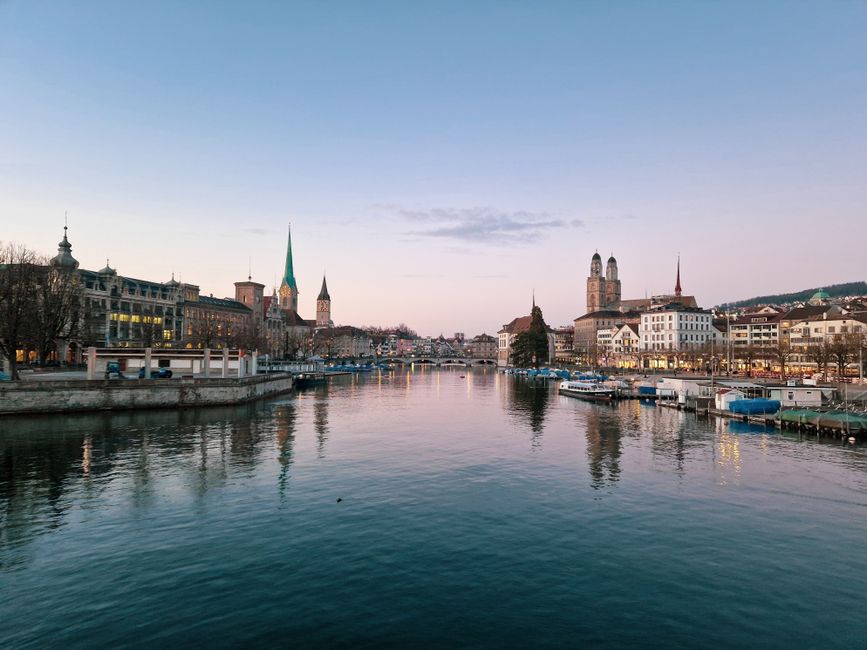
Sleep in Switzerland ranks among Europe's most studied phenomena, with the University of Zurich's Sleep and Health Research Centre leading investigations into how our circadian rhythms respond to geography and lifestyle. For Zurich residents, the findings carry particular relevance: our 47-degree northern latitude and extended summer daylight create unique sleep challenges that science is only now fully addressing.
Dr. Samuel Lüthi's research group has demonstrated that sleep quality correlates directly with light exposure timing rather than total duration alone. The implication for locals is straightforward: an early evening walk along the Zürichsee shoreline—particularly between 19:00 and 20:30—can suppress melatonin more effectively than indoor lighting, strengthening your natural sleep-wake cycle. A 2024 study tracking 340 Zurich residents found those who walked the lakefront promenade between Bellevue and Tiefenbrunnen three times weekly reported 23% better sleep continuity than sedentary controls.
Temperature regulation emerges as the second pillar. Swiss sleep hygiene guidelines, refined through decades of alpine research, emphasize bedroom temperatures between 16-18°C—achievable in most Zurich apartments through evening ventilation or the affordable cooling options available at Manor or Coop Building stores (typically CHF 80–250). This modest investment pays dividends: core body temperature drops approximately 1°C during sleep onset, and maintaining cool sleeping environments accelerates this thermoregulation.
The city's 24-hour culture creates complexity. Evening activities around Bahnhofstrasse or the Kreis 5 nightlife districts expose residents to artificial blue light until late hours, delaying melatonin onset by an average 90 minutes. The University of Zurich recommends blue-light filtering glasses (CHF 40–150, available at opticians throughout the Altstadt) for those unable to reduce screen time after 21:00.
Perhaps most striking: consistency matters more than perfection. A longitudinal study of 220 Swiss workers found that maintaining identical sleep and wake times across seven days—even if total sleep is slightly reduced—produced equivalent cognitive performance and mood metrics to variable sleepers who averaged more total hours. The message resonates with Zurich's structured culture: your body's internal clock operates like railway precision.
For those navigating shift work or jet lag, the University's clinic near Sihlfeld station offers chronotherapy consultations (typically CHF 150–200, often covered by supplementary insurance). Meanwhile, free resources from Zurich's municipal health department (stadt-zuerich.ch/gesundheit) provide evidence-based sleep guides in multiple languages.
The science is clear: Zurich's geography and infrastructure position residents perfectly to leverage nature-aligned sleep practices. The question isn't whether these methods work, but whether we'll align our routines to match what research has already proven.
This article was compiled by AI from the sources linked above and screened before publishing. See our editorial standards.