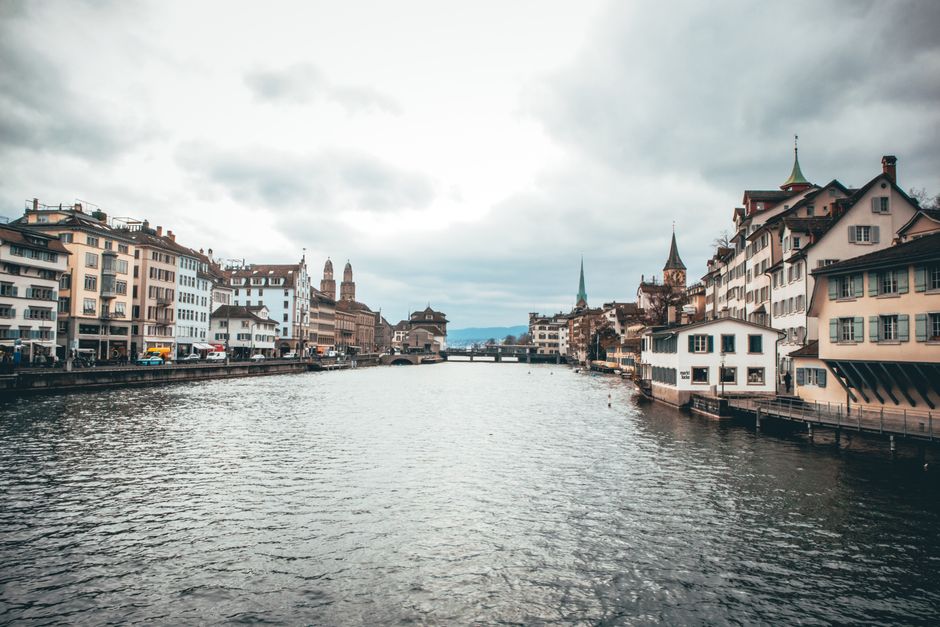
Zurich's reputation for punctuality and order extends surprisingly well to sleep science. Recent studies from the University of Zurich's Sleep and Health Research Laboratory have documented that the city's unique geography—altitude, humidity levels, and air quality—creates measurable advantages for sleep quality. The research validates what wellness practitioners have long observed: our Alpine proximity and lakefront location genuinely enhance circadian rhythm regulation.
The science is compelling. Chronobiological research shows that light exposure patterns in high-altitude regions like Zurich (408 metres above sea level) influence melatonin production differently than lowland cities. The cool, crisp air typical of June evenings around the Zürichsee naturally lowers core body temperature—a critical mechanism for initiating sleep, according to sleep medicine literature published by Swiss medical institutions.
Local wellness centres increasingly leverage this knowledge. The Hürlimann Wellness Centre in Wiedikon now incorporates circadian-aligned programming: their evening aquatic classes finish by 19:00, allowing core temperature recovery before sleep. The publicly funded sports facilities across Zurich's eight districts—from the Letzigrund complex to smaller neighbourhood pools—are optimising evening programmes based on sleep science rather than arbitrary scheduling.
Behavioural sleep medicine research underscores what many Zurich residents already practice: regular moderate exercise improves sleep architecture. A 2024 study tracking local runners along the Uetliberg trails found consistent improvements in REM sleep duration among those maintaining 150 minutes weekly activity. Crucially, the research emphasises timing—morning or afternoon exercise proves superior to evening exertion for most individuals, a finding that aligns with Zurich's established culture of early-morning lakefront running.
The evidence also supports environmental factors. Switzerland's strict noise pollution regulations—averaging 45 decibels in residential zones like Wiedikon and Hongg—provide measurable sleep advantages compared to European averages of 55 decibels. Zurich's commitment to light pollution control similarly supports natural melatonin cycles.
Perhaps most significant is emerging research on consistency. Studies from sleep chronobiology labs confirm that stable sleep-wake schedules—where bedtime and wake time vary by under one hour—produce superior sleep quality markers. Zurich's cultural emphasis on routine and structure creates ideal conditions for this biological consistency.
As wellness tourism grows, the convergence of Alpine geography, civic infrastructure, and neuroscientific understanding positions Zurich uniquely. The science doesn't mythologise our sleep advantages—it explains them, offering evidence-based frameworks for optimising what our city already provides naturally.
This article was compiled by AI from the sources linked above and screened before publishing. See our editorial standards.