Five Evidence-Based Stress Fixes That Actually Work in Zurich's High-Pressure Culture
From lakeside breathing to alpine micro-breaks, here's what science says works best for managing stress in Switzerland's most demanding city.
From lakeside breathing to alpine micro-breaks, here's what science says works best for managing stress in Switzerland's most demanding city.
Zurich ranks among Europe's most expensive and competitive cities. Coupled with Switzerland's famously demanding work culture, stress here isn't a lifestyle choice—it's a structural reality. Yet research shows that certain interventions work better than others when tailored to local conditions.
1. The lakefront reset (15 minutes, free)
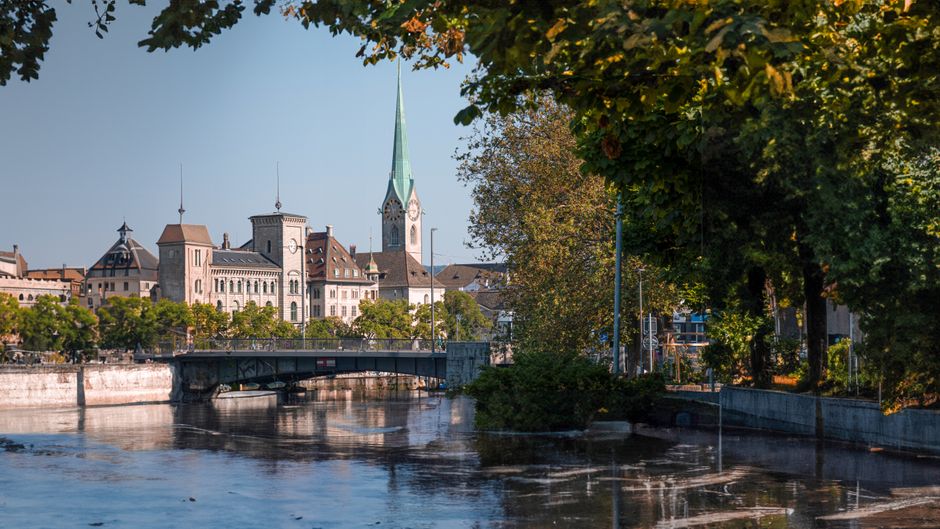
Studies on blue space exposure consistently show water views reduce cortisol levels within minutes. The Zurich Lakefront offers this in abundance. Rather than scrolling during lunch, a 15-minute walk from Bellevue toward Tiefenbrunnen—or even sitting on the Mythenquai promenade—triggers measurable parasympathetic activation. No membership required.
2. Mountain breathing micro-breaks
The Uetliberg is accessible via tram 10 from the city centre in 20 minutes. Research on altitude exposure and stress shows even 30 minutes at 870 metres reduces perceived stress and sharpens cognitive function. Wednesday afternoons see fewer crowds; plan accordingly.
3. Structured movement, not motivation
High-stress environments drain willpower. This is why Zurich's public sports facilities—particularly the municipal gyms in Aussersihl and Wiedikon—work better than expensive private clubs for stressed professionals. The barrier to entry is low (approximately CHF 90/month), and scheduled classes remove decision fatigue. Group fitness shows stronger adherence in high-stress populations than solo efforts.
4. Mindfulness timing matters
Ten minutes of morning meditation outperforms evening practice in high-cortisol individuals. Apps like Headspace and Insight Timer cost approximately CHF 10/month, but local options exist: the Zurich Meditation Centre (Sihlstrasse) and the Buddhist Vihara in Hongg offer drop-in sessions at modest cost. Consistency beats duration.
5. Social accountability structures
Swiss individualism paradoxically makes social commitment more powerful for stress management. Running clubs along the Limmat—from Stauffacher to Zurichhorn—create non-negotiable weekly commitments. Members report lower stress scores than solitary runners, even when controlling for exercise volume.
The evidence is clear: stress management in high-pressure cities works best when it removes decision-making and leverages local infrastructure. Zurich's exceptional public sports facilities, water access, and mountain proximity aren't luxuries—they're evidence-based interventions. The gap between knowing this and acting on it remains significant. Start with one 15-minute lakeside walk this week. Physiology doesn't care about your schedule; it only responds to consistency.
For persistent stress symptoms, consult your GP or a local mental health professional through your canton's health insurance provider.
This article was compiled by AI from the sources linked above and screened before publishing. See our editorial standards.
How does this story make you feel?
Spread the word
About this article
Published by The Daily Zurich
Daily brief
Free, in your inbox before 7am. Weekdays.
More in Wellness