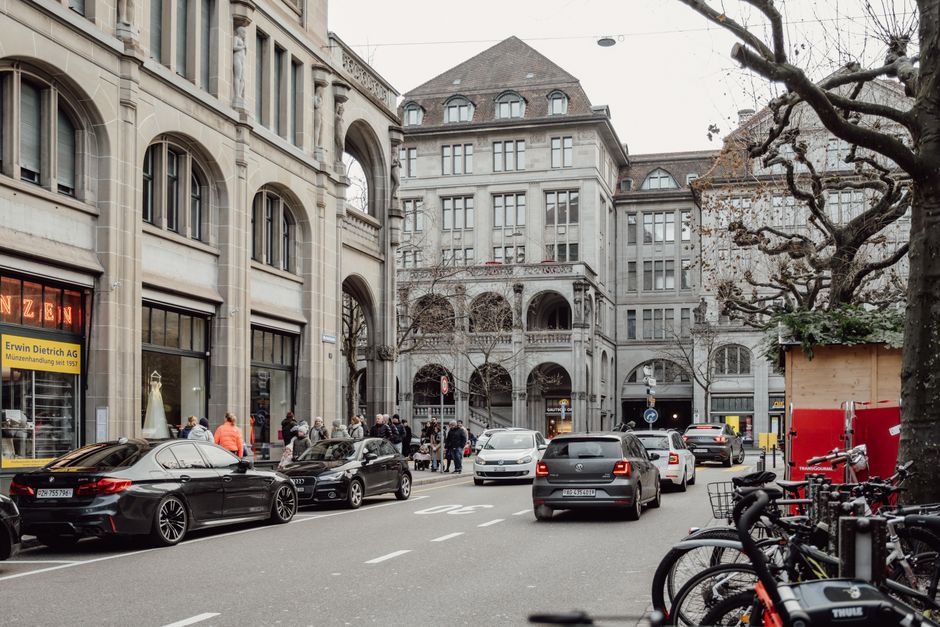
Scroll through wellness social media and you'll encounter an endless carousel of superfoods, elimination diets, and nutritional philosophies promising transformation. Yet in Zurich, a different story unfolds. Here, the conversation around healthy eating has less to do with trending protocols and more to do with what's grown within a 50-kilometre radius.
Switzerland's healthcare system consistently ranks among the world's best, and nutrition is woven into that success. Unlike the polarised diet culture dominating global wellness discourse—keto versus vegan, intermittent fasting versus paleo—Zurich's approach feels refreshingly pragmatic. Local nutritionists emphasise seasonal eating, whole foods, and moderation rather than restrictive frameworks.
The evidence is visible across the city. Farmers' markets in Wiedikon and around Europaplatz remain crowded year-round, not as Instagram-worthy pit stops but as weekly rituals. The Biomarkt at Helvetiaplatz, operating for over three decades, serves locals seeking organic, locally-sourced produce—a model that predates today's global farm-to-table movement. Prices reflect quality: asparagus at 18 CHF per kilogramme in spring, heritage tomatoes at 12 CHF in summer. Not cheap, but transparent.
This contrasts sharply with global wellness culture's often anxiety-driven consumption patterns. International trends frequently promote premium supplements, specialty adaptogenic powders, and expensive meal-prep services as health necessities. In Zurich, a 2024 study by the Zurich University of Teacher Education found that 67 per cent of residents prioritised buying seasonal Swiss produce over imported "superfoods."
Restaurants along the Zurichberg and in Kreis 3 increasingly highlight local sourcing on menus, yet without the marketing fanfare common elsewhere. Hochstrasse's dining scene quietly emphasises Appenzell dairy, Valais wine, and game from local forests—nutritional choices tied to geography and tradition rather than trend cycles.
The alpine wellness culture runs deep here. Physical activity—lakefront running, hiking Uetliberg—remains integrated with eating well, rather than existing as separate health tracks. This holistic view differs from global fragmentation, where diet is often treated as compensation for sedentary lifestyles.
That said, Zurich isn't immune to global influences. Vegan options have expanded noticeably; açai bowls appear in café windows; intermittent fasting discussions happen in gyms. But adoption remains measured. The cultural baseline—excellent public healthcare, a tradition of wholesome eating, access to exceptional local food systems—creates natural resistance to extreme trends.
For visitors and residents alike, the lesson is simple: sustainable nutrition doesn't require complexity. Zurich's quiet confidence in local, seasonal eating offers an alternative to the wellness industry's relentless novelty. Sometimes the most revolutionary health choice is the oldest one.
This article was compiled by AI from the sources linked above and screened before publishing. See our editorial standards.