Zurich's Preventive Health Blueprint: The Daily Habits Locals Swear By
From lakefront morning walks to annual check-ups at Hirslanden clinics, Zurich residents have mastered the art of staying ahead of health problems before they start.
From lakefront morning walks to annual check-ups at Hirslanden clinics, Zurich residents have mastered the art of staying ahead of health problems before they start.
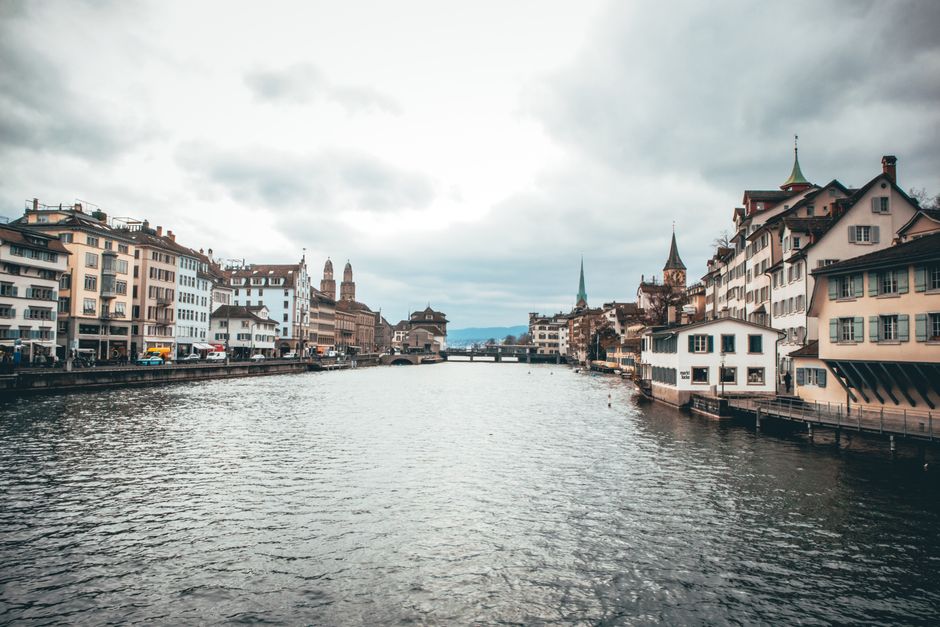
In a city where the average life expectancy hovers around 84 years, Zurich's reputation for longevity isn't accidental. It's built on habits—small, consistent choices that stack into formidable health outcomes. Unlike reactive medicine, which treats illness after it strikes, Zurich's wellness culture hinges on prevention, and locals have refined a practical blueprint worth examining.
The daily foundation starts early. A morning run or walk along the Zurichsee—whether from Enge to Tiefenbrunnen or the quieter stretches near Hongg—has become as routine as coffee for many residents. This isn't fitness for vanity; it's cardiovascular maintenance. The city's exceptional public sports infrastructure, with free or low-cost access to facilities like the Hallenbad Oerlikon, removes barriers to regular movement. Locals treat these spaces not as occasional indulgences but as essential infrastructure for prevention.
The second pillar is regular screening. Switzerland's mandatory health insurance means most Zurich residents have direct access to preventive care. Annual check-ups at practices across Wiedikon, Altstetten, and the central neighbourhoods are standard practice—not optional luxuries. These visits catch high blood pressure, cholesterol, and early metabolic shifts before they compound into serious conditions. The cost, typically absorbed by insurance, removes financial friction from prevention.
Nutrition habits reflect local geography. Zurich's markets—the Bürkliplatz farmers' market, or neighbourhood shops in Kreis 6 and 7—supply seasonal produce year-round. Residents consciously build meals around what's locally available: leafy greens in spring, berries in summer, root vegetables in winter. This isn't dogmatic dieting; it's aligned eating that feels natural rather than punitive.
Sleep patterns matter too. Zurich's latitude means natural light cycles are pronounced, especially in winter. Locals leverage this biology intentionally: morning exposure to daylight near the lake sets circadian rhythms, while evening wind-down routines—sometimes including Alpine hikes on the Uetliberg before dusk—reinforce healthy sleep.
The psychological thread tying these habits together is cultural. Zurich values preventive thinking across life domains: financial planning, home maintenance, career development. Applied to health, it becomes a lifestyle rather than a chore. Walking to the Kreis 5 office instead of taking the tram, choosing stairs at Europaallee stations, standing during meetings—these micro-habits accumulate without requiring willpower.
For those adopting these habits, the timeline to results matters. Blood pressure and resting heart rate improvements appear within weeks. Metabolic markers shift over months. Long-term disease prevention compounds over years. Zurich's example suggests that longevity isn't about dramatic interventions; it's about thousands of small decisions made consistently, supported by accessible infrastructure and cultural norms that treat prevention as normal.
This article was compiled by AI from the sources linked above and screened before publishing. See our editorial standards.
How does this story make you feel?
Spread the word
About this article
Published by The Daily Zurich
Daily brief
Free, in your inbox before 7am. Weekdays.
More in Wellness