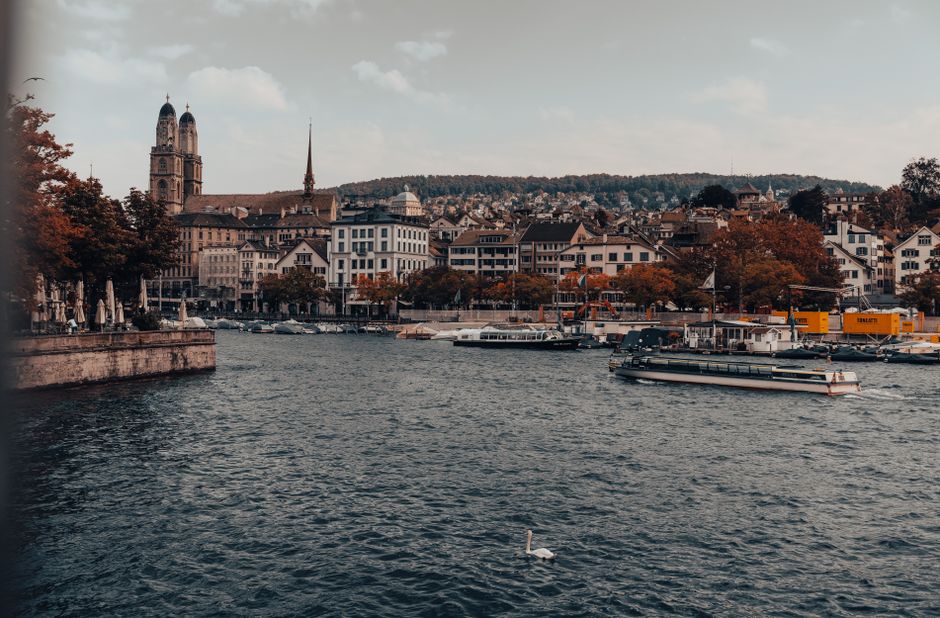
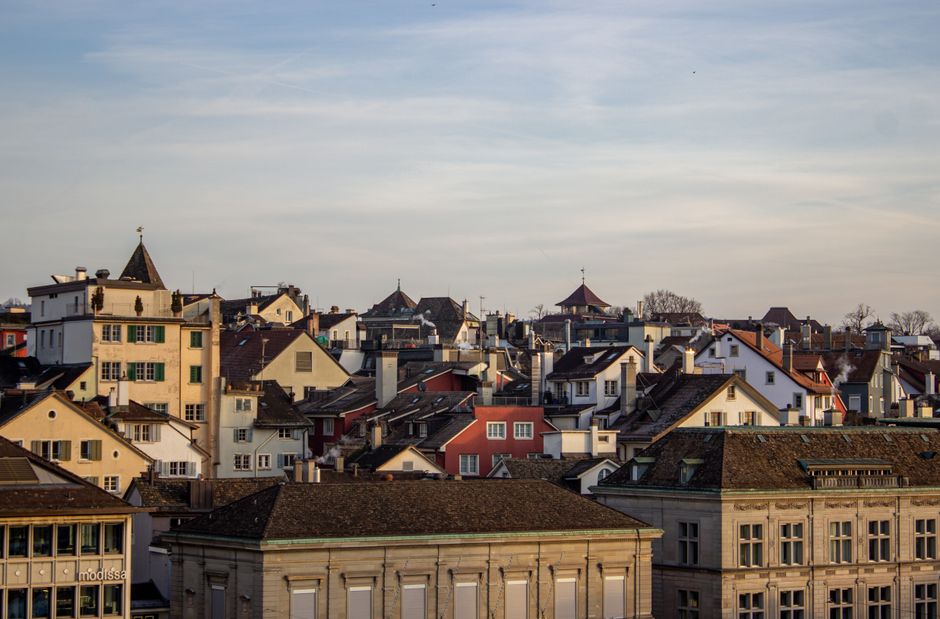
On a Tuesday evening in Wiedikon, the studio at Yogahaus Zürich on Wiedingstrasse fills with the familiar scent of sandalwood and intention. What began five years ago as a small experiment in community wellness has grown into a cornerstone of neighbourhood health culture—one of dozens of similar hubs now operating across the city, from Kreis 8's converted lofts to lakefront studios overlooking the Limmat.
Zurich's embrace of yoga and meditation reflects a broader shift in how locals approach wellbeing. Switzerland's healthcare system, consistently ranked among the world's finest, has increasingly integrated complementary practices alongside conventional medicine. According to recent cantonal wellness surveys, nearly 31% of Zurich residents now engage in regular meditation or yoga—a figure that has doubled in less than a decade.
The transformation extends beyond studio walls. Many practitioners describe a cascade of benefits: improved sleep quality, reduced chronic pain, better emotional resilience during demanding work seasons. Local physiotherapists increasingly recommend yoga for postural correction, particularly among those spending long hours at desks. The practice has also gained traction among active outdoor enthusiasts—runners training along the Lakefront promenade or hikers preparing for Uetliberg ascents now view yoga as essential cross-training rather than peripheral wellness activity.
Community-led initiatives have democratised access significantly. Organisations like the Yoga Alliance Switzerland coordinate affordable classes across Zurich's public sports facilities, with many sessions priced between CHF 15–25 per class. Several neighbourhoods now host free outdoor sessions during summer months—Seeufer Park regularly hosts sunrise practices that draw both beginners and experienced meditators seeking connection with nature.
What distinguishes Zurich's approach is integration with alpine wellness culture. Retreats combining mountain hiking with meditation—exploiting the natural tranquillity of nearby peaks—have become increasingly popular. Holistic practitioners emphasise how Switzerland's healthcare accessibility means more residents can explore complementary practices without financial barriers that might exist elsewhere.
The impact on mental health has proven particularly significant. Local counselling services report that clients increasingly arrive with existing meditation practices, creating stronger foundations for therapeutic work. The consistency of Swiss discipline, paired with openness to alternative approaches, has created an unusual cultural sweet spot.
Whether practitioners find their centre through structured classes or informal neighbourhood groups, Zurich's yoga community reflects something deeper: a cities-wide recognition that true wellness integrates mind, body, and community. For many residents, that realisation has arrived not through expensive retreats, but simply by showing up, breathing deeply, and discovering balance exactly where they live.
This article was compiled by AI from the sources linked above and screened before publishing. See our editorial standards.