Staying Mobile After 60: Evidence-Based Tips That Work in Zurich's Alpine Climate
Swiss researchers and local physiotherapists reveal why our terrain, altitude and healthcare access give us unique advantages—and how to use them.
Swiss researchers and local physiotherapists reveal why our terrain, altitude and healthcare access give us unique advantages—and how to use them.
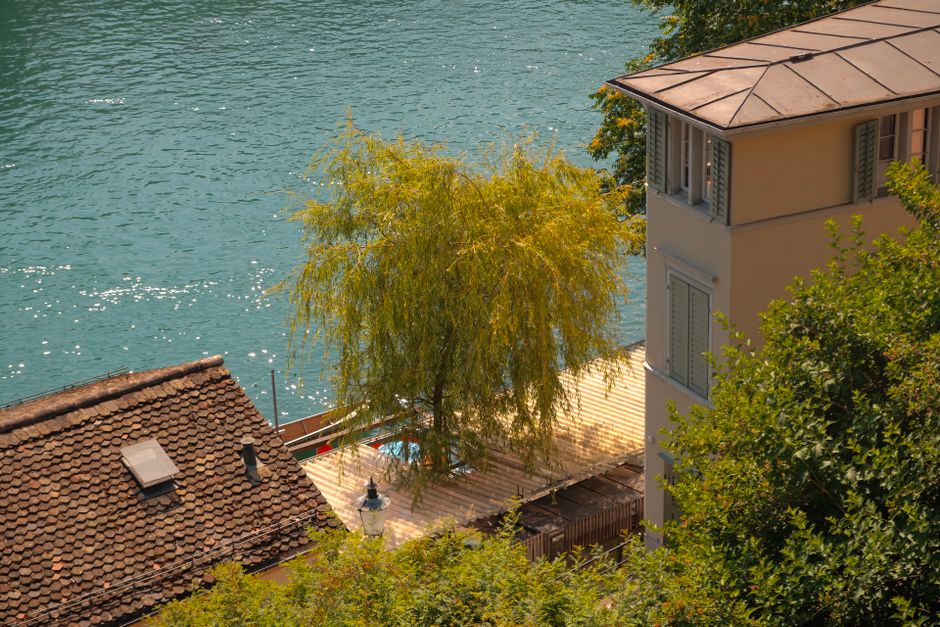
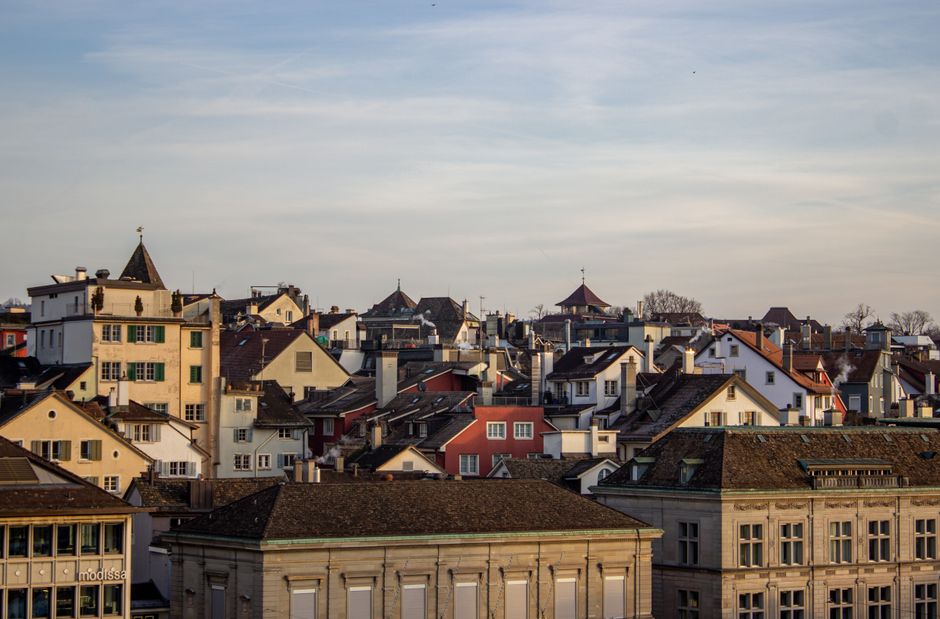
Zurich's geography is both blessing and challenge for active ageing. Our world-class healthcare, altitude-adapted physiology, and public sport infrastructure create ideal conditions for maintaining mobility. But the steep gradients around Uetliberg, variable weather, and longer winters require tailored strategies that generic fitness advice simply misses.
The evidence is clear: low-impact, consistent movement prevents the mobility decline that typically accelerates after 60. Research from the Swiss Society of Gerontology confirms that maintaining leg strength and balance reduces fall risk by up to 40%—particularly important on Zurich's uneven lakefront pathways and woodland trails. The key isn't intensity; it's consistency adapted to local conditions.
Start with what works here. Zurich's 2,100 kilometres of marked walking routes offer graduated difficulty—perfect for progressive training. The Uetliberg circuit (90 minutes, moderate gradient) and gentler Lakefront promenade between Mythenquai and Bellerive combine cardiovascular benefit with the Swiss alpine advantage: moderate altitude (around 500 metres) naturally boosts oxygen efficiency without extreme stress. Local physiotherapists increasingly recommend these specific routes for clients rebuilding mobility after injury.
Temperature matters more than most acknowledge. Winter ice and compressed snow on paths like those near Rigiblick demand different footwear and gait awareness than summer trails. Investment in proper alpine walking boots (Swiss brands like On and Mammut offer excellent senior-friendly options, typically 150–250 CHF) prevents the compensatory injuries that sideline many older adults mid-winter.
Accessible facilities remove friction from consistency. Zurich's public sports centres—including the Hallenbad Oerlikon complex—offer senior-specific water aerobics (around 15–20 CHF per session), where buoyancy protects joints while building functional strength. Swiss health insurance typically covers preventive physiotherapy; confirm your coverage with your insurer, as many plans include 9–10 annual sessions.
The data supports patience. A 2024 Swiss study tracking 800 adults over 60 found that those who maintained 4–5 hours weekly of mixed walking, stairs, and light resistance work retained mobility and independence significantly longer than sedentary peers. The effect compounds over years, not weeks.
Start with 20-minute Lakefront walks three times weekly, wearing proper footwear suited to seasonal conditions. Add one Uetliberg ascent monthly to build hill strength. Consider a physiotherapy assessment (typically 150–200 CHF via your GP referral) to identify weak points specific to your movement patterns.
Zurich's combination of healthcare access, terrain variety, and wellness infrastructure is genuinely exceptional. Use it strategically, adapt to seasons, and move consistently. That's what the evidence—and our landscape—actually supports.
This article was compiled by AI from the sources linked above and screened before publishing. See our editorial standards.
How does this story make you feel?
Spread the word
About this article
Published by The Daily Zurich
Daily brief
Free, in your inbox before 7am. Weekdays.
More in Wellness