How Zurich's Over-60s Are Rewriting the Rules of Ageing Through Community Movement
From Lakefront joggers to Uetliberg hikers, local seniors are proving that mobility and vitality at any age start with taking the first step—and finding your people.
From Lakefront joggers to Uetliberg hikers, local seniors are proving that mobility and vitality at any age start with taking the first step—and finding your people.
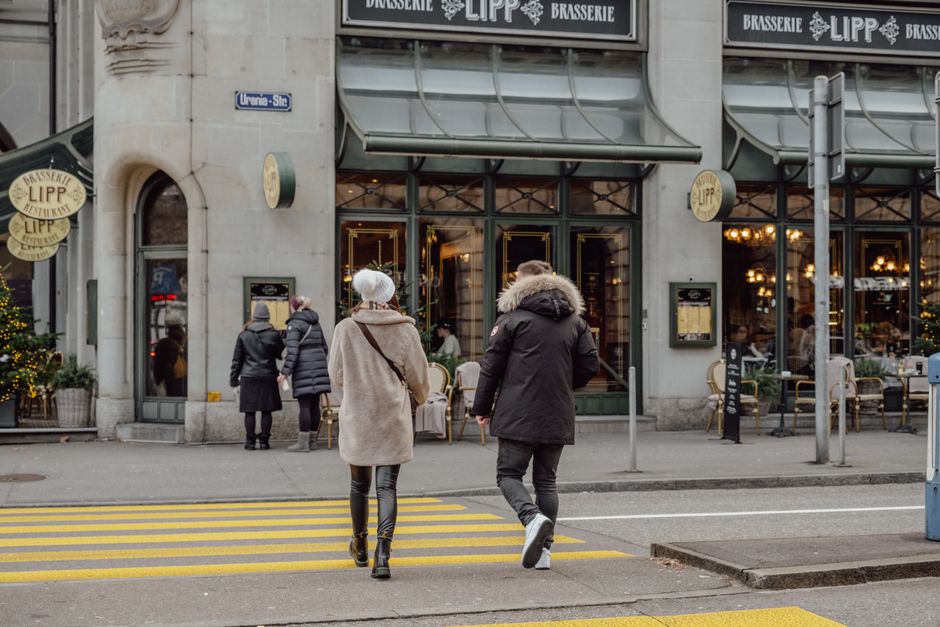
On a Tuesday morning along the Zürichsee promenade near Bellevue, a steady stream of walkers in their 60s, 70s and beyond moves at their own pace, some with trekking poles, others with strollers or companions. For many, this daily ritual wasn't always part of their routine. What began as isolated walks has evolved into an informal but powerful community of active agers, transforming how Zurich's older residents approach mobility and wellbeing.
Switzerland's healthcare system ranks among the world's best, yet a 2024 survey by the Swiss Gerontology Association revealed that sedentary behaviour remains a significant challenge for seniors—even in a health-conscious city like Zurich. The shift toward community-led movement, however, is quietly changing that narrative. Organisations like Pro Senectute Kanton Zürich and the Sportamt Zürich have documented increasing participation in structured hiking groups and low-impact fitness classes, with Uetliberg—accessible via the S10 train from the city centre—becoming a focal point for gentler alpine experiences among older adults.
The reasons behind this local momentum are tangible. Zurich's exceptional public sports infrastructure, from lakefront paths to dedicated mountain trails, removes practical barriers. The Seefeld district's new accessible walking loop, completed in 2025, was specifically designed with joint-friendly surfaces and rest points every 400 metres. Similarly, neighbourhood recreation centres across Kreise 6, 7 and 8 now offer subsidised tai chi and mobility classes—often costing CHF 12–18 per session—bringing movement within reach for pensioners on fixed incomes.
But infrastructure alone doesn't drive transformation. Local wellness initiatives increasingly emphasise the social fabric: group walks organised through Quartier associations, hiking clubs with structured pacing, and informal meetups at spots like the Mythenquai lakefront create belonging. This matters profoundly. Research from the University of Zurich's Institute of Human Movement Sciences confirms that seniors who exercise within community structures report higher adherence rates and measurably improved mobility outcomes after six months.
What's emerging across Zurich's neighbourhoods is a lived understanding that active ageing isn't about high performance—it's about consistent, supported movement. Whether it's a weekly walk to Hongg, a monthly Uetliberg excursion, or daily lakefront kilometres, the pattern is clear: when community infrastructure meets individual commitment, age becomes less a barrier and more a chapter in an ongoing story of vitality.
For anyone considering joining Zurich's active ageing movement, local resources abound. Pro Senectute Kanton Zürich offers free mobility assessments, and the Sportamt website lists all neighbourhood-based movement groups. Starting is often as simple as showing up—and discovering that the person beside you on that lakefront path shares exactly the same goal.
This article was compiled by AI from the sources linked above and screened before publishing. See our editorial standards.
How does this story make you feel?
Spread the word
About this article
Published by The Daily Zurich
Daily brief
Free, in your inbox before 7am. Weekdays.
More in Wellness