The Daily Rituals: How Zurich's Health-Conscious Residents Stay Ahead of Disease
From Lakefront runners to office workers, locals reveal the unglamorous screening habits and lifestyle choices that keep preventive medicine working.
From Lakefront runners to office workers, locals reveal the unglamorous screening habits and lifestyle choices that keep preventive medicine working.
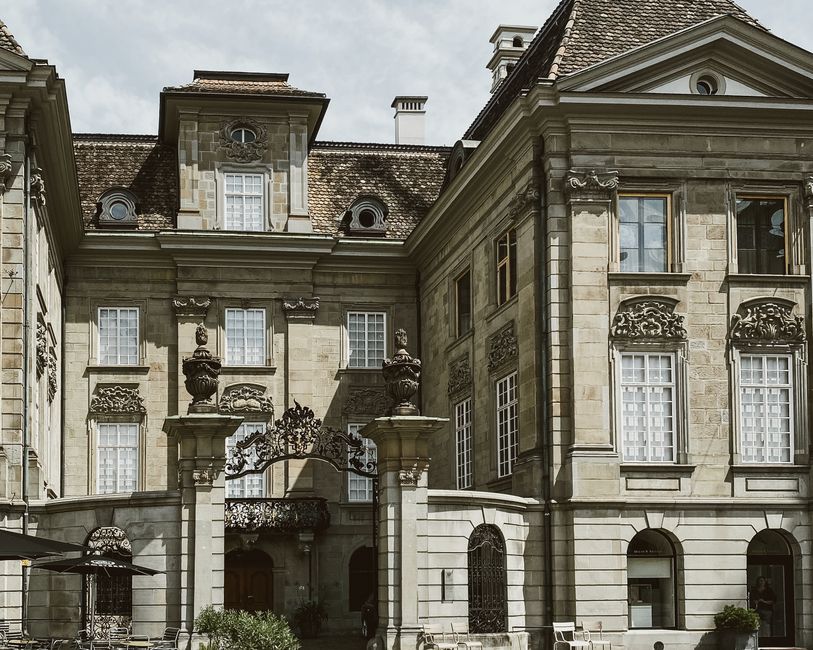
Walking past the Kunsthaus on a Tuesday morning, you'll spot them: the early-shift professionals heading toward Bellevue or the Seeufer path, many clutching water bottles or fitness trackers. It's not a trendy Instagram moment—it's preventive health in motion, Zurich-style.
Switzerland's healthcare system consistently ranks among the world's best, yet local practitioners at clinics along the Bahnhofstrasse and in Wiedikon emphasize that screenings and doctor visits represent only half the equation. The other half? Daily habits that residents here have quietly perfected.
"We see tremendous results from consistency, not intensity," explains the preventive health culture that dominates Swiss wellness spaces. Many Zurich residents schedule annual check-ups—a practice covered comprehensively by Swiss insurance—but the real magic happens between appointments.
Consider the pattern: morning walks along the Zurichsee, often completed before 7 a.m., are standard for working professionals. Research on Zurich's active population shows that residents averaging 8,000+ daily steps report significantly better cardiovascular markers at screening appointments. The Uetliberg forest trails serve not just recreation but documented preventive function, with consistent hikers showing improved metabolic health during annual physicals.
At neighbourhood level, this translates practically. Residents in Altstetten and Hongg report that their family doctors—typically accessible within walking distance through Zurich's exceptional public health infrastructure—recommend straightforward interventions: dietary consistency (favoring local farmers' markets over processed options), stress management tied to accessible green spaces, and regular blood pressure monitoring at home. Self-monitoring devices cost 40–80 CHF and have become standard preventive tools.
The screening timeline matters. Zurich residents aged 40+ often undergo cholesterol panels and diabetes screening during their mandatory annual insurance health assessments, costs typically absorbed by standard premiums. Women frequently access mammography through Zurich's established breast cancer screening program. Men often schedule prostate discussions with their GPs by 50.
What distinguishes Zurich's approach isn't revelation—it's execution. The integration of accessible leisure (free municipal pools, subsidized gym memberships in districts like Wiedikon), proximity to healthcare providers, and a cultural expectation of preventive engagement creates a reinforcing cycle.
The unsexy truth: locals aren't discovering miracle solutions. They're showing up consistently for their own care. One early-morning Lakefront regular summed it simply: "The screening found nothing because I walk most days anyway." That's not luck. That's prevention working exactly as designed.
This article was compiled by AI from the sources linked above and screened before publishing. See our editorial standards.
How does this story make you feel?
Spread the word
About this article
Published by The Daily Zurich
Daily brief
Free, in your inbox before 7am. Weekdays.
More in Wellness