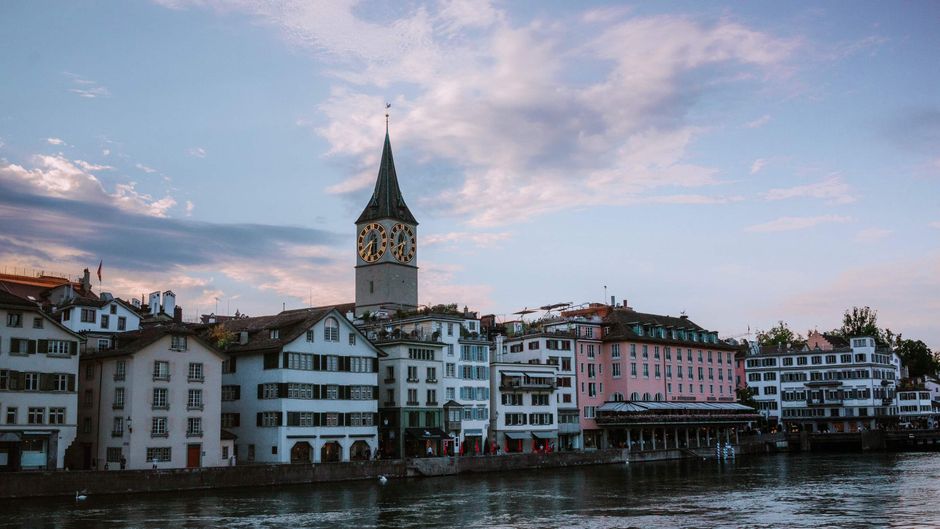
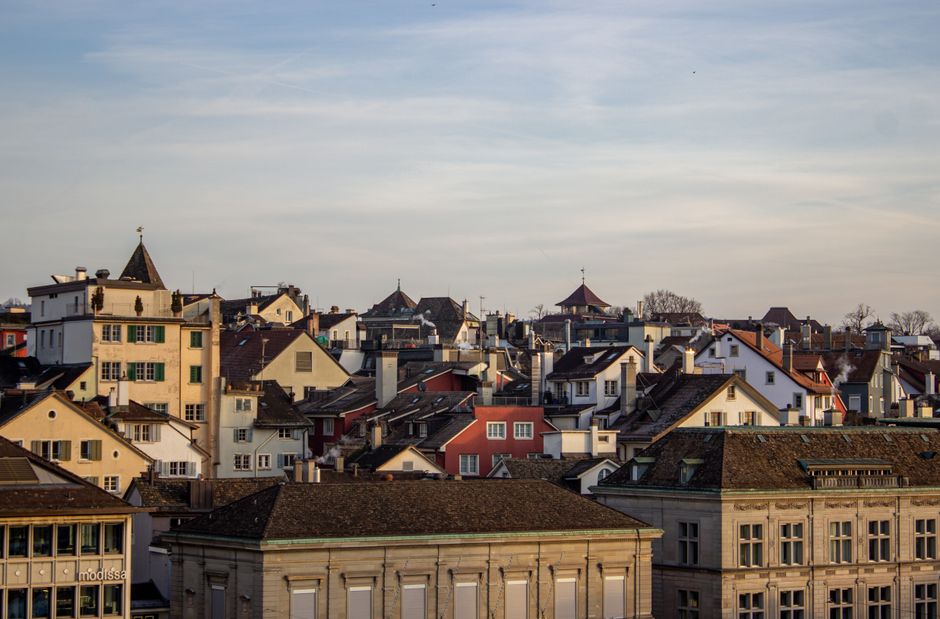
Walk along the Zurichberg forest trails or catch dawn runners ascending Uetliberg, and you'll notice something the wellness industry's global reports often miss: Zurich doesn't perform mindfulness for the algorithm. It simply does it.
Global wellness trends paint a picture of explosive growth in meditation apps, corporate breathwork sessions, and Instagram-friendly wellness retreats. The global mindfulness market is projected to hit $2.3 billion by 2027. Yet in Zurich, the story is subtly different. Here, stress management has become woven into everyday infrastructure rather than monetized as a lifestyle commodity.
The Zurich Lakefront—a 42-kilometre ribbon of water, park, and path—hosts an estimated 300,000 visitors monthly, many treating the routes as moving meditation rather than fitness performance. Compare this to global meditation app adoption, where retention drops dramatically after week two. Zurich's public facilities don't require subscriptions or algorithmic pushes. They're simply there, reliably, at CHF 0.
Local data tells a quieter story than global headlines. According to Switzerland's State Secretariat for Education, Research and Innovation, workplace wellness programmes addressing mental health show 67 per cent participation across Swiss companies—significantly above the OECD average of 38 per cent. Yet Zurich rarely dominates wellness media the way California wellness destinations do. There's no celebrity wellness retreat circuit here. Instead, municipal investment in mental health accessibility—from subsidized counselling at Psychiatrische Dienste Zürich to free mindfulness courses at community centres in Wiedikon and Altstetten—suggests a philosophy that stress management shouldn't be a privilege purchase.
The contrast becomes sharper when examining uptake patterns. While global wellness media celebrates boutique meditation studios and premium breathwork coaching, Zurich's approach favours accessibility. The Kantonal Psychiatric Hospital's community outreach programmes offer evidence-based stress reduction techniques to thousands annually, with waiting lists measured in weeks, not months—a rarity globally.
This doesn't mean Zurich ignores contemporary mindfulness practices. Apps, yoga studios, and wellness coaching exist here. But they operate within a broader cultural container where mental health management isn't positioned as self-optimization for the aspirational class. It's positioned as infrastructure, like clean water or punctual trams.
Perhaps that's the insight: Zurich's mental wellness advantage isn't visibility. It's sustainability. The global trend cycle—where today's viral wellness practice becomes next year's forgotten app download—hasn't fully penetrated here. Instead, the city continues building what works: accessible, unbranded, reliably integrated into daily life.
For personal mental health guidance, consult a qualified professional through your local GP or Psychiatrische Dienste Zürich.
This article was compiled by AI from the sources linked above and screened before publishing. See our editorial standards.