Five Daily Habits That Keep Zurich's Healthiest Eaters on Track
From Wiedikon market runs to lakeside lunch rituals, we uncover the unglamorous routines that transform nutrition from theory into daily practice.
From Wiedikon market runs to lakeside lunch rituals, we uncover the unglamorous routines that transform nutrition from theory into daily practice.

Nutrition advice is everywhere. What's rarer is watching how people actually eat—and why some habits stick while others fade by February. Across Zurich, a pattern emerges among those who've sustained healthy eating for years: they don't rely on willpower. They rely on systems.
The first habit is almost embarrassingly simple: shopping twice weekly at neighborhood markets rather than once at the supermarket. Residents of Wiedikon, Aussersihl, and around the Bürkliplatz farmers' market report that shorter shopping cycles mean fresher produce, less food waste, and natural accountability. "You can't ignore wilting spinach the way you can in a fridge," one regular noted. Market prices—typically 15–25 percent lower than chain stores for seasonal produce—remove the excuse that healthy eating costs more.
Second is the lakefront lunch structure. Walking from offices near Bahnhofstrasse or the financial district to grab fresh bread, cheese, and fruit along the Zurichsee shoreline has become a de facto wellness practice. The ritual combines movement, social connection, and deliberate eating. It's not trendy; it's embedded infrastructure.
Third is the "cupboard audit." Zurich's well-organized households—reflected in the city's broader culture—maintain visible inventory of dried pulses, grains, and nuts. When lentils and barley are accessible and organized (not buried), they become weeknight defaults rather than aspirational ingredients. This mirrors principles promoted by organizations like Suisse Rando, which emphasizes preparation and planning for outdoor activities.
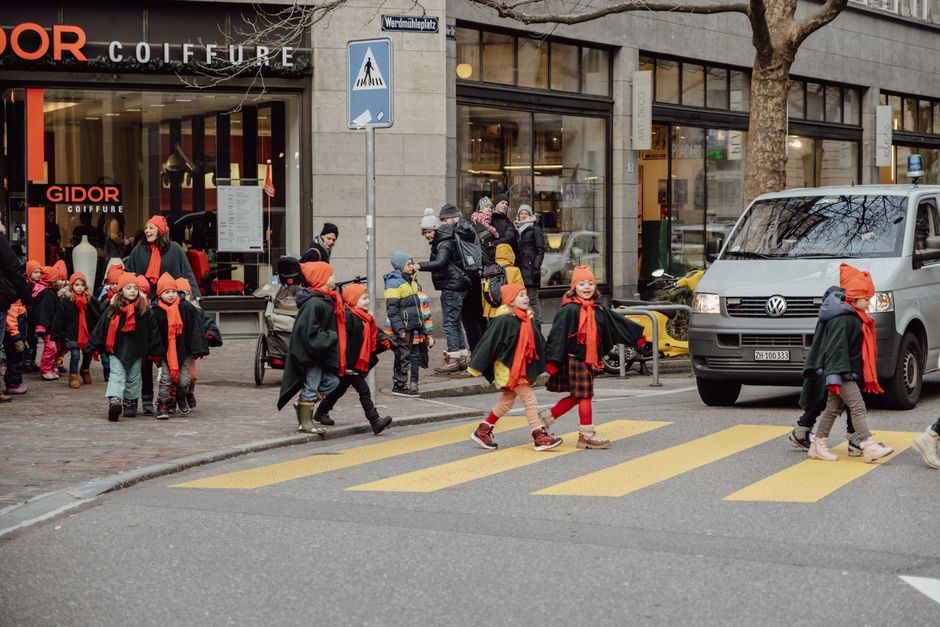
Fourth is the school-run anchor. Parents collecting children from Schulen Wiedikon or Aussersihl districts have adopted a de facto pattern: preparing simple, vegetable-forward meals because children's meal times create non-negotiable structure. Eating at consistent times, with others, around whole ingredients—the practice spreads to adult meals too.
Finally, there's seasonal eating. Unlike markets in cities with year-round climate control, Zurich's markets visibly change with seasons. Strawberries in June, pumpkin in September, root vegetables in winter. Following this rhythm—rather than fighting it—reduces decision fatigue and aligns eating with local agriculture.
None of these habits are novel. None require special equipment or obscure knowledge. What they share is this: they work because they're embedded in Zurich's physical and social geography. Markets are walkable. Lakefront eating is built into commutes. Children's schedules create structure. Cold winters make fresh-killed meat and preserved vegetables sensible.
The lesson isn't about the food itself. It's that sustainable nutrition isn't won through motivation. It's won by designing daily life so healthy eating becomes the path of least resistance.
This article was compiled by AI from the sources linked above and screened before publishing. See our editorial standards.
How does this story make you feel?
Spread the word
About this article
Published by The Daily Zurich
Daily brief
Free, in your inbox before 7am. Weekdays.
More in Wellness