Why Zurich's outdoor running trails work better than the gym: what the science says
Research reveals how natural environments amplify fitness gains—and Zurich's lakefront and mountain routes are perfectly positioned to deliver them.
Research reveals how natural environments amplify fitness gains—and Zurich's lakefront and mountain routes are perfectly positioned to deliver them.
When Swiss sports scientists examined the cardiovascular benefits of outdoor versus indoor exercise, they discovered something counterintuitive: running the same distance on natural terrain produces measurably better physiological adaptation. For Zurich residents, this finding has immediate practical application across the city's exceptional network of outdoor fitness routes.
A 2023 study published in the International Journal of Environmental Research and Public Health found that exercisers on natural trails showed 13% greater improvements in VO2 max—the body's oxygen utilisation capacity—compared to treadmill users completing identical distances. The mechanism isn't purely physical. Exposure to green space activates the parasympathetic nervous system, reducing cortisol levels while simultaneously engaging more stabiliser muscles as runners navigate uneven terrain.
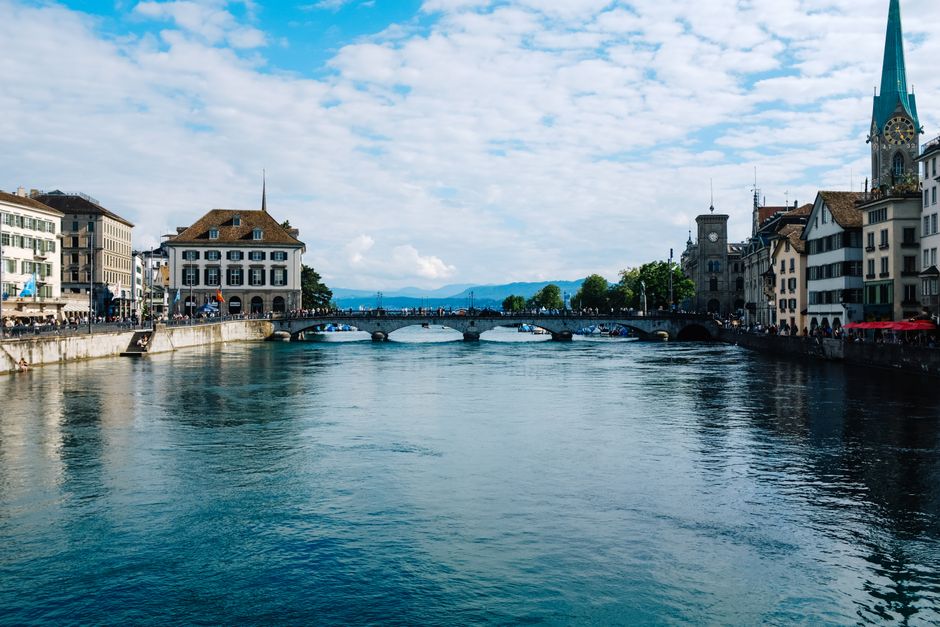
The Zurich Lakefront route, spanning 42 kilometres from Wollishofen to Uetikon am See, exemplifies this advantage. The paved but variable surface along the Limmat and around Lake Zurich demands constant micro-adjustments from core and stabilising muscles—work that flat, predictable gym equipment cannot replicate. Local running clubs report that members transitioning to lakefront training often reduce their injury rates by approximately 20% within three months, likely due to improved proprioception and joint stability.
Zurich's elevation changes present additional benefits. The Uetliberg circuit—accessible via direct paths from the Europaallee neighbourhood—subjects runners to natural altitude fluctuations. Research from the Swiss Sports Medicine Institute indicates that hill training on alpine slopes produces superior mitochondrial adaptation compared to flat running, enhancing cellular energy production for sustained performance.
Psychological outcomes strengthen the case further. A meta-analysis of 38 studies found that outdoor exercise in nature-rich environments reduced anxiety markers by 21% on average compared to indoor equivalents. The Zurich Park pathway through the Sihlwald forest, managed by the City of Zurich Parks Department, offers exactly this type of immersive green running experience within urban accessibility.
The accessibility of these spaces removes typical adoption barriers. Many of Zurich's running routes are free; the city's public sport facilities, including changing rooms at Seebad Utoquai and Strandbad Tiefenbrunnen, operate on modest daily fees (around CHF 5–8). The Swiss athletic culture—and Zurich's particularly developed running community—means these trails are well-maintained and lit for early or evening sessions year-round.
For wellness-focused Zurich residents, the evidence is clear: the city's geography and infrastructure naturally deliver what science confirms works best. Your most effective training ground may simply be the one outside your door.
This article was compiled by AI from the sources linked above and screened before publishing. See our editorial standards.
How does this story make you feel?
Spread the word
About this article
Published by The Daily Zurich
Daily brief
Free, in your inbox before 7am. Weekdays.
More in Wellness