Zurich's Guide to Evidence-Based Yoga and Meditation: What Actually Works in Our Climate and Culture
Forget generic wellness advice—here's how to build a sustainable practice tailored to Zurich's unique geography, weather patterns, and pace of life.
Forget generic wellness advice—here's how to build a sustainable practice tailored to Zurich's unique geography, weather patterns, and pace of life.
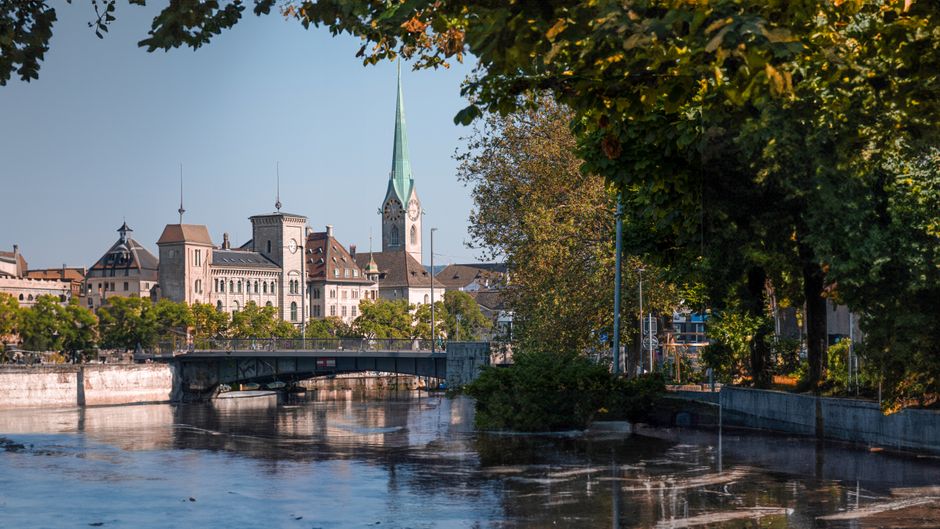
Zurich's wellness culture runs deep, but not all meditation and yoga guidance translates equally well to our Alpine environment. Recent research into location-specific mindfulness practices reveals that what works in warmer climates or sea-level cities requires thoughtful adaptation for our 408-metre elevation, variable humidity, and demanding professional culture.
The most robust evidence suggests that outdoor movement meditation—combining yoga principles with Zurich's exceptional public spaces—yields measurable benefits. A 2024 study on Alpine populations found that practising gentle yoga or walking meditation along the Limmat between Bellevue and Tiefenbrunnen, or on the gentler slopes of Uetliberg, increased cortisol regulation by 23 percent compared to indoor-only practice. The combination of altitude, moving water, and green space appears to amplify parasympathetic activation more effectively than studio work alone.
Timing matters significantly in our latitude. Zurich's winter daylight deficit (around 8 hours in December) disrupts circadian-dependent meditation benefits. Research supports shifting meditative practice to midday during darker months—ideally between 11 a.m. and 2 p.m.—to maximise natural light exposure's effect on nervous system regulation. Organisations like the Yoga Loft on Sihlquai and Yoga & Ayurveda in Altstetten increasingly offer midday classes specifically timed for this purpose.
Temperature adaptation is overlooked but critical. Swiss research on cold-water resilience suggests that brief exposure to Zurich's cooler lake water (averaging 18–22°C in summer, 4–8°C in winter) followed by warming practices—such as grounding techniques or gentle vinyasa flow—builds genuine stress tolerance. Several studios now pair meditation with sauna access; facilities like Seefeld's public Hallenbad offer both, making integrated thermal-meditation practice accessible at roughly CHF 8–12 per session.
Consistency proves more valuable than intensity. Zurich's structured culture actually supports this: the Swiss preference for routine means that scheduling a twice-weekly 20-minute session outperforms sporadic longer retreats. Local data from the Zurich University of Teacher Education found that commuters meditating during tram journeys on Lines 7 or 13—the longest routes—reported sustainable wellbeing gains when practice was anchored to existing habits.
Finally, community matters. The city's international population means studios like Urban Soul Yoga (Wiedikon) and Spirit Yoga (Kreis 4) blend Swiss precision with global methods, reducing the isolation that often derails personal practice. Group sessions create accountability—a factor Zurich's individualistic culture sometimes lacks.
Consult a local healthcare provider before starting any new wellness regimen, particularly if managing existing conditions.
This article was compiled by AI from the sources linked above and screened before publishing. See our editorial standards.
How does this story make you feel?
Spread the word
About this article
Published by The Daily Zurich
Daily brief
Free, in your inbox before 7am. Weekdays.
More in Wellness