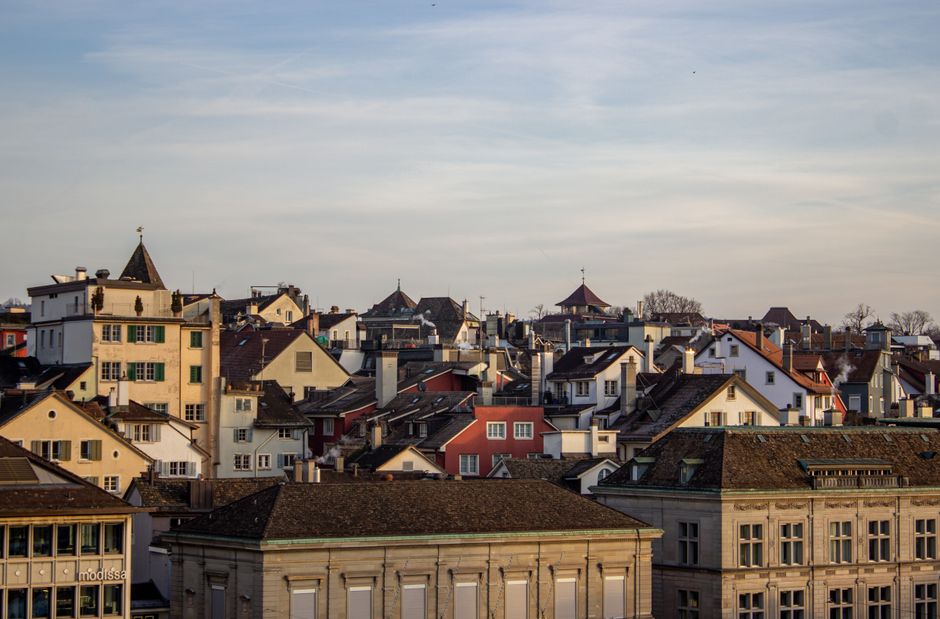
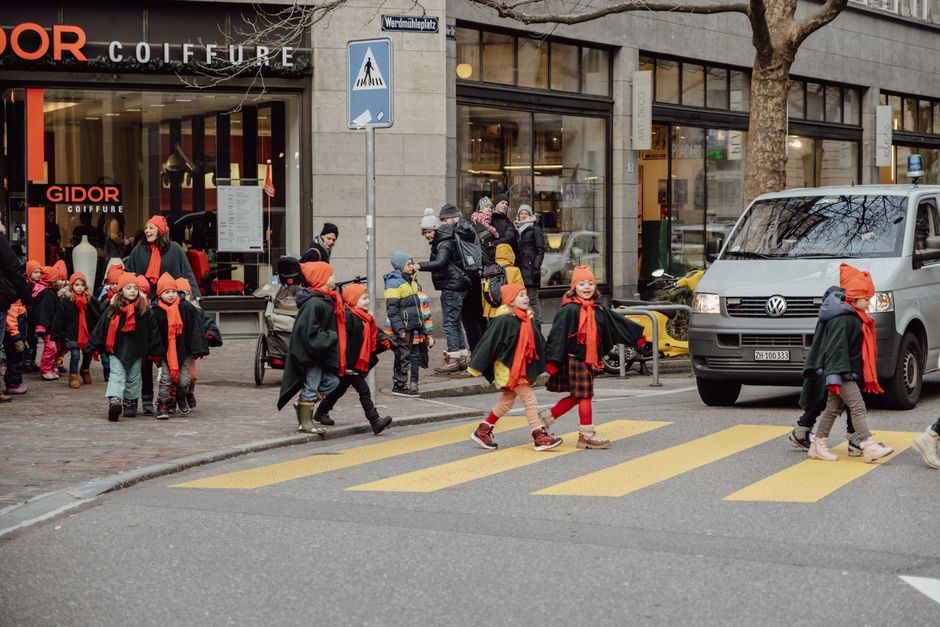
Walk along the Zurich Lakefront on any weekday morning, and you'll spot them: clusters of people seated on benches with eyes closed, guided by an instructor through a meditation session. What once felt like a fringe wellness import has become as common as the swans gliding past. Mindfulness and structured stress management have moved from niche wellness circles into mainstream Zurich culture—a shift reflected in gyms, corporate offices, hospitals, and community centres across the city.
The trend mirrors Switzerland's broader healthcare philosophy, where preventive wellness sits alongside curative medicine. The University of Zurich's Department of Consultation-Liaison Psychiatry has expanded research into mindfulness-based stress reduction (MBSR) over the past five years, recognising demand from both patients and employers. Local health insurance providers now often subsidise mindfulness courses, acknowledging their role in reducing burnout and mental fatigue.
Zurich's established athletic culture—from Uetliberg mountain hikers to trail runners—has created fertile ground for mindful movement practices. Studios in Wiedikon and around Bellevue offer classes blending yoga, meditation, and breathwork, often charging 25–35 CHF per session or 250–300 CHF for monthly memberships. Corporate wellness programmes in the Europaallee financial district increasingly include on-site meditation rooms and lunch-hour mindfulness sessions, recognising that Zurich's competitive work environment demands mental resilience tools.
Community organisations like the Zurich-based Mind & Life Institute partnership have introduced accessible, secular mindfulness programmes tailored to Swiss practicality—structured, time-bound, and evidence-based. Free or low-cost options exist through municipal adult education centres (Volkshochschulen) across districts like Altstetten and Aussersihl, democratising access beyond affluent neighbourhoods.
What sets Zurich's adoption apart is the cultural fit. The Swiss value for efficiency and measurable outcomes means mindfulness here isn't sold as mystical transcendence but as a concrete skill—like learning a language or mastering a professional technique. Apps like local-friendly platforms integrate with Swiss health apps, and workplaces track engagement metrics.
The broader context reflects post-pandemic realities: stress-related consultations in Zurich have remained elevated, with anxiety and sleep disorders consistently cited by practitioners. Yet rather than medicalising every struggle, the city's wellness infrastructure increasingly offers mindfulness as a first-line intervention.
For those curious about trying mindfulness, local resources abound. Start with free guided sessions at community parks, explore subsidised courses through your health insurance, or investigate structured MBSR programmes at university-affiliated clinics. As Zurich continues balancing alpine serenity with urban pace, mindfulness has become less a wellness fad and more a practical urban necessity.
This article was compiled by AI from the sources linked above and screened before publishing. See our editorial standards.