Zurich's running culture thrives on a secret that many casual joggers never discover: the city maintains a comprehensive, publicly accessible trail database that rivals commercial apps—and it's entirely free. Housed within the Sportamt (City Sports Office) in the Wiedikon district, this resource has quietly become essential infrastructure for serious and recreational runners alike.
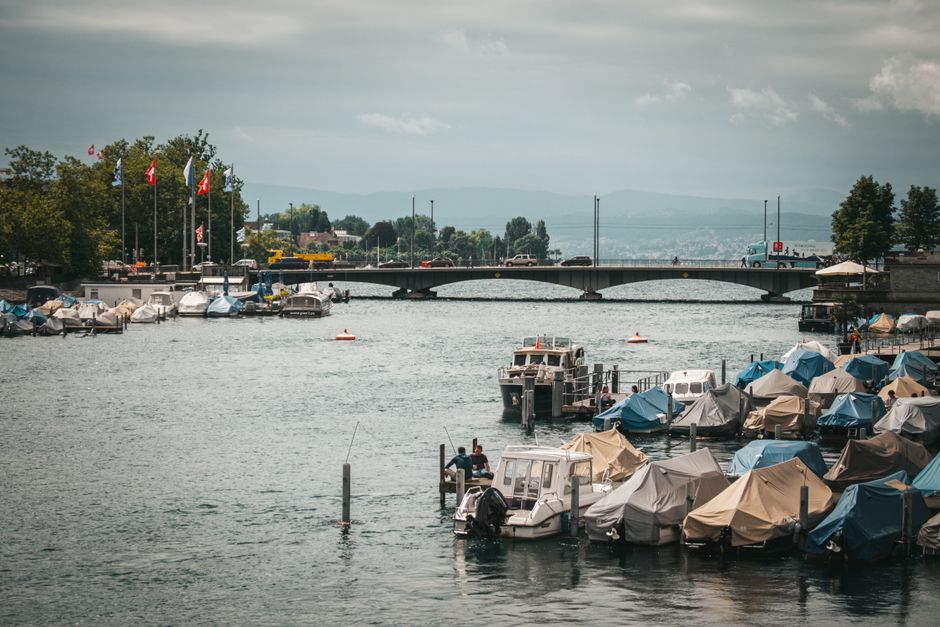
The Sportamt's digital platform, updated quarterly, catalogues over 180 marked running routes across all seven districts, complete with precise elevation profiles, surface conditions, and difficulty ratings. Unlike crowded social-media fitness communities, this municipal system prioritises accuracy and safety data that reflects actual ground conditions along the Zurichberg forest paths, the Limmat Valley trail network, and the iconic Lakefront running corridors that draw thousands weekly.
What makes this facility genuinely transformative is the coaching component. From May through September, the Sportamt coordinates free group running sessions at three hubs: Mythenquai (Lakefront, Tuesday evenings), Uetliberg base station (Wednesday mornings), and Albisgütli sports park in Altstetten (Thursday evenings). These aren't informal jogs—certified coaches assess your form, discuss injury prevention, and tailor guidance to the specific demands of Zurich's terrain. Sessions accommodate runners of all speeds; the Uetliberg group, for instance, splits into three paces to accommodate climbers tackling the 800-metre ascent to the summit.
Registration costs nothing, though spaces fill quickly. The Sportamt also publishes a quarterly printed guide—available free at every Migros, Coop, and city library—detailing seasonal route recommendations and hydration station locations. For summer runners, this proves invaluable; the lakeside routes can climb above 28°C by July, and knowing where water fountains are positioned along the Seeufer promenade matters more than any wearable technology.
Local runners praise the Sportamt's emphasis on accessibility. Routes range from the flat, pram-friendly Limmat Valley circuit (7 kilometres) to technical alpine approaches like the Hongg-to-Felsenegg ridge run (14 kilometres, 600-metre elevation gain). The elevation data alone—something commercial platforms often oversimplify—has become indispensable for training planning in a city where seemingly gentle riverside runs can disguise steep ravine sections.
The Sportamt is located at Badenerstrasse 120, Wiedikon, and welcomes visits Tuesday–Friday, 8 a.m.–4 p.m. Their digital platform updates in real time as weather affects trail conditions; during spring snowmelt or after heavy rain, they flag which higher-altitude routes become temporarily unreliable.
Before investing in premium running software, Zurich residents have something better: a city infrastructure that treats serious running as part of public health infrastructure, not a commercial opportunity.
This article was compiled by AI from the sources linked above and screened before publishing. See our editorial standards.