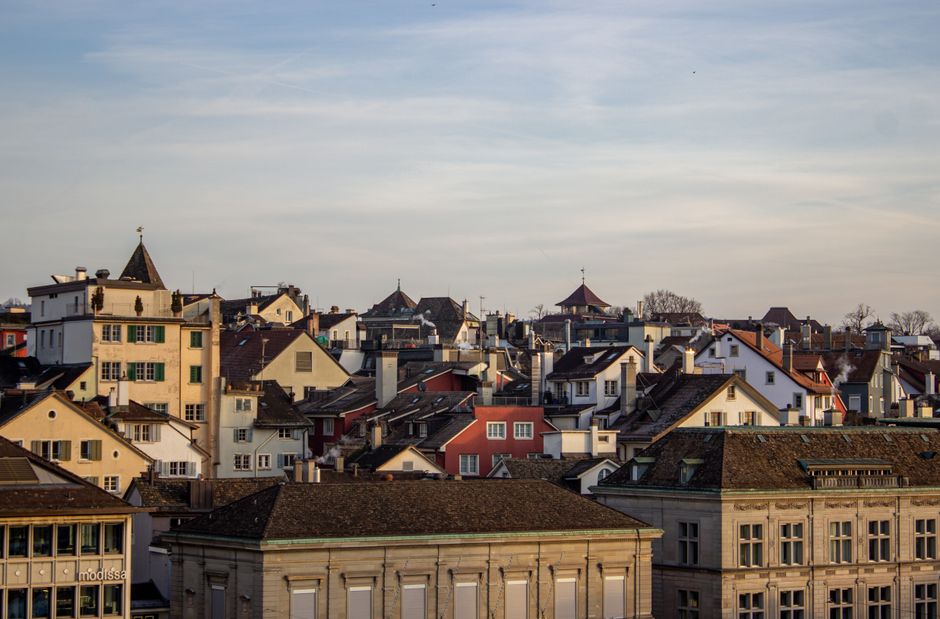
Sleep sanctuaries: How Zurich is embracing the restorative wellness movement
From purpose-built nap studios to sleep-optimized gyms, Switzerland's largest city is reimagining rest as a cornerstone of urban wellness.
From purpose-built nap studios to sleep-optimized gyms, Switzerland's largest city is reimagining rest as a cornerstone of urban wellness.
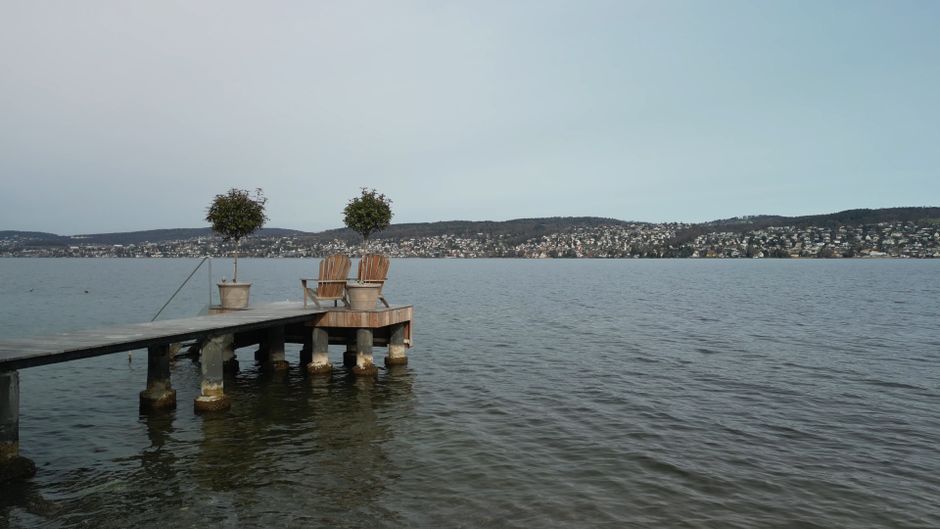
Walk through Wiedikon on any weekday evening and you'll notice something shifting in Zurich's wellness landscape. The city that built its reputation on relentless productivity—pristine offices, early morning gym sessions, back-to-back calendar slots—is quietly reconsidering its relationship with sleep.
This shift mirrors a broader wellness pivot across Switzerland. Recent data from the Swiss Health Observatory suggests that sleep-related complaints have risen 23% among urban professionals since 2023, prompting a recalibration of how Zurich's well-resourced residents approach recovery. The city's wellness sector has responded with unexpected creativity.
Boutique studios around Europaplatz and near the Limmat River have begun offering dedicated rest spaces—quiet lounges with ergonomic recliners, ambient soundscapes, and temperature control. Monthly memberships range from 120–180 CHF, reflecting Zurich's premium wellness market. Simultaneously, traditional gyms like those near Central have integrated 'recovery hours'—designated quiet periods with dimmed lighting and restorative yoga classes—acknowledging that movement without adequate rest defeats the purpose.
The trend extends to the city's natural assets. Uetliberg, long favoured for morning runs, is increasingly visited by residents seeking contemplative afternoon walks—a deliberate slowing of pace that characterizes this new wellness philosophy. Local hiking groups report a 15% uptick in leisurely, non-competitive excursions since early 2025.
Perhaps most telling: the Swiss Sleep Research Centre at University Hospital Zurich has expanded its public education programme, hosting quarterly workshops in districts like Altstetten and Oerlikon. These sessions, free to residents, focus on sleep hygiene, circadian rhythm alignment, and the neuroscience of rest—practical knowledge that dovetails with Zurich's evidence-based healthcare culture.
Nutritionists and wellness coaches across the city now routinely audit clients' sleep patterns before recommending dietary changes, reflecting a systems-level understanding: sleep underpins everything from immune function to decision-making. This represents a quiet but significant departure from the 'optimize every waking hour' mentality that once dominated Swiss urban wellness.
What's driving the shift? Partly burnout awareness. Partly Switzerland's ageing demographic, which prioritizes longevity over intensity. And partly a recognition that rest, like fitness or nutrition, is a measurable, improvable wellness metric—one that Zurich's data-driven residents can track, discuss, and ultimately master.
For residents seeking to recalibrate their own sleep habits, local resources abound: the city's parks offer restorative green spaces; its healthcare system provides sleep assessment through standard consultation channels; and its wellness community has normalized the conversation around rest. In Zurich, sleep is no longer a luxury—it's infrastructure.
This article was compiled by AI from the sources linked above and screened before publishing. See our editorial standards.
How does this story make you feel?
Spread the word
About this article
Published by The Daily Zurich
Daily brief
Free, in your inbox before 7am. Weekdays.
More in Wellness