Zurich consistently ranks among the world's most expensive and competitive cities. With average rents exceeding CHF 2,500 for a one-bedroom apartment and Switzerland's demanding work culture, stress here isn't hypothetical—it's structural. Yet emerging neuroscience suggests that certain evidence-based techniques work particularly well within our local conditions.
The Lakefront Effect
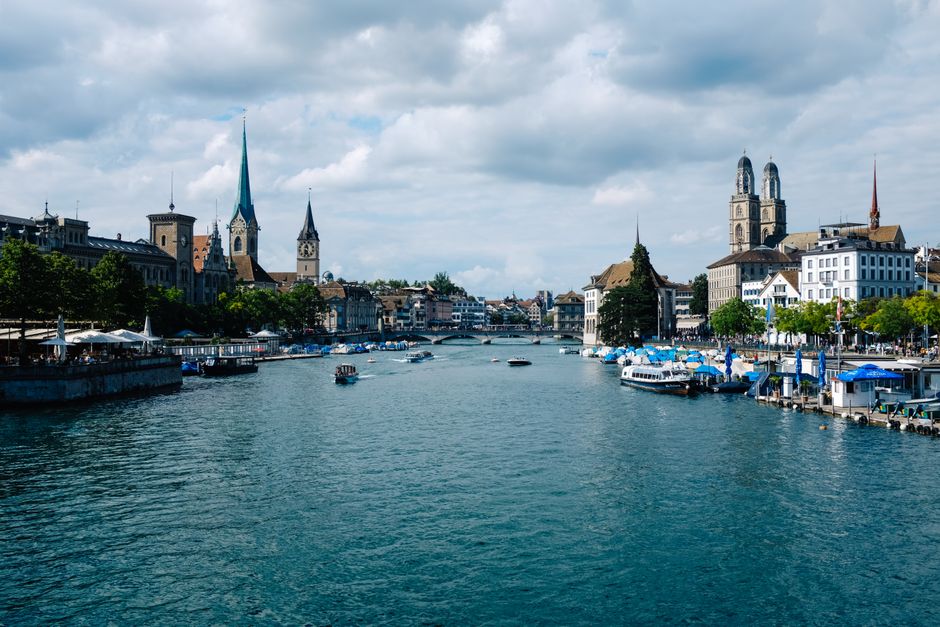
Research from the University of Zurich's neuroscience department confirms what locals intuitively know: water proximity reduces amygdala activation, the brain's threat centre. A consistent 15-minute walk along the Zurichsee—whether from Mythenquai in Wollishofen or the Seeufer promenade near Bellevue—measurably lowers cortisol levels within 20 minutes. The key isn't intensity; it's consistency. Three times weekly beats sporadic weekend efforts.
Micro-Hiking as Stress Inoculation
Rather than waiting for a full Sunday Uetliberg expedition, Swiss researchers advocate "stress inoculation hiking"—short, moderate-elevation climbs that safely elevate heart rate before returning to baseline. The Käferberg trail from Hirslanden or Hongg's gentler paths (25–40 minutes) activate the parasympathetic nervous system post-exercise, creating a measurable "rebound calm." This works better than gym sessions for anxiety-prone individuals.
Structured Breathing in Crowded Spaces
The 4-7-8 breathing technique (inhale for 4 counts, hold for 7, exhale for 8) has robust fMRI validation. Zurich's dense tram corridors and busy shopping districts on Bahnhofstrasse become ideal practice zones. Two minutes during your commute—standing at Hauptbahnhof or waiting at Paradeplatz—produces measurable vagal tone improvement. The technique works because it's discreet and requires no equipment.
Temperature Contrast at Public Facilities
Zurich's excellent public spas—including Badeanstalt Letzigraben and Flussbad Fluntern—offer cold-water immersion at minimal cost (CHF 8–12 entry). Brief, deliberate cold exposure (30 seconds) followed by warming activates heat-shock proteins and reduces inflammatory markers. This is not extreme; it's calibrated stress management using our Alpine infrastructure.
Predictable Silence Schedules
Swiss culture's deep respect for quiet creates an advantage. Booking a specific two-hour block weekly at a local library or the Zentralbibliothek's silent reading rooms trains your brain to expect restoration. This "scheduled serenity" creates anticipatory calm—your nervous system begins downregulating days before the appointment.
None of these require expensive retreats or app subscriptions. They leverage what makes Zurich distinct: water access, mountains, world-class facilities, and a cultural infrastructure built for precision living. The science is clear: what works isn't exotic—it's consistent, local, and evidence-backed.
This article was compiled by AI from the sources linked above and screened before publishing. See our editorial standards.