How Active Ageing is Reshaping Wellness Culture Across Zurich
From Uetliberg to the Lakefront, Switzerland's largest city is becoming a blueprint for senior mobility and lifelong fitness.
From Uetliberg to the Lakefront, Switzerland's largest city is becoming a blueprint for senior mobility and lifelong fitness.
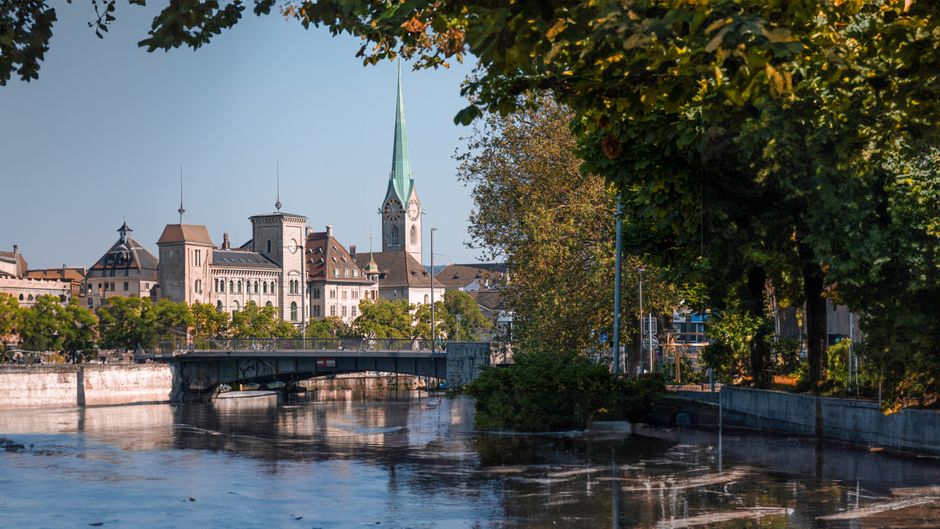
Walk along the Zurichsee promenade on any summer morning, and you'll notice something striking: the joggers, cyclists, and Nordic walkers aren't dominated by the 25-to-35 crowd anymore. Grey-haired runners in technical gear, seniors on electric-assisted bikes, and groups of 60-year-olds performing tai chi near the Bellevue area have become as much a fixture as the swans.
This shift reflects a broader wellness movement sweeping through Zurich's neighbourhoods—one that reframes ageing not as decline, but as an opportunity for intentional mobility and strength. "Active ageing" has moved from wellness buzzword to practical lifestyle, embedded in the city's infrastructure and cultural attitudes toward later life.
The numbers tell the story. Zurich's population aged 65 and over comprises roughly 19% of residents, yet participation in structured fitness programmes targeting seniors has grown 34% over the past three years, according to data from the Stadt Zurich Sportamt. The city's public swimming pools—Stadelhofen, Altstetterbach, and Flussbad Unterer Letten—now offer dedicated aqua fitness classes for older adults, with waiting lists suggesting demand outpaces supply.
Infrastructure helps. The Uetliberg mountain hike, accessible via tram from Wiedikon station, has become a de facto outdoor gym for seniors: challenging enough to build cardiovascular fitness, yet manageable in sections. Meanwhile, Zurich's 5,000-kilometre network of cycling paths means mobility-conscious residents can stay active without high-impact strain. The city's ambitious plan to expand accessible green spaces—particularly in Aussersihl and Wollishofen—reflects recognition that senior wellness depends on proximity to quality outdoor environments.
Local organisations are responding. The Zürcher Sportverband and various neighbourhood sports clubs have expanded low-impact offerings: aqua jogging, mobility coaching, and gentle strength work in facilities across Kreis 4, 5, and 6. Cost remains accessible—most municipal classes run 15–20 CHF per session—positioning wellness as inclusive rather than elitist.
But beyond infrastructure and classes lies a cultural shift. Switzerland's exceptional healthcare system has always emphasised prevention, yet Zurich's particular wellness culture—shaped by alpine traditions and a pragmatic relationship with the outdoors—now explicitly positions movement in later life as normal, aspirational, and achievable.
The message resonating across the city's senior community is simple: ageing needn't mean stepping back from active life. In Zurich, it increasingly means stepping forward with intention.
This article was compiled by AI from the sources linked above and screened before publishing. See our editorial standards.
How does this story make you feel?
Spread the word
About this article
Published by The Daily Zurich
Daily brief
Free, in your inbox before 7am. Weekdays.
More in Wellness