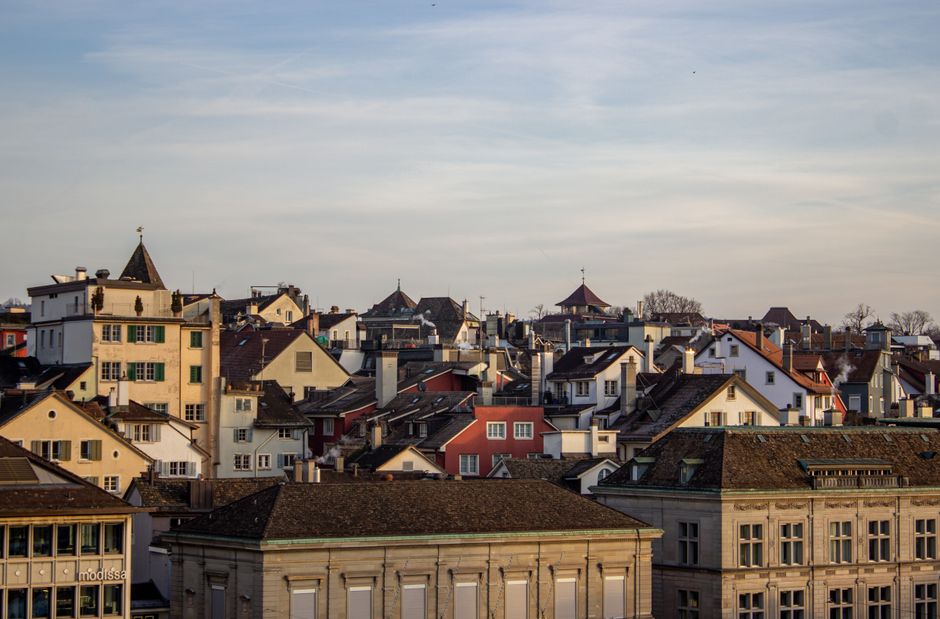
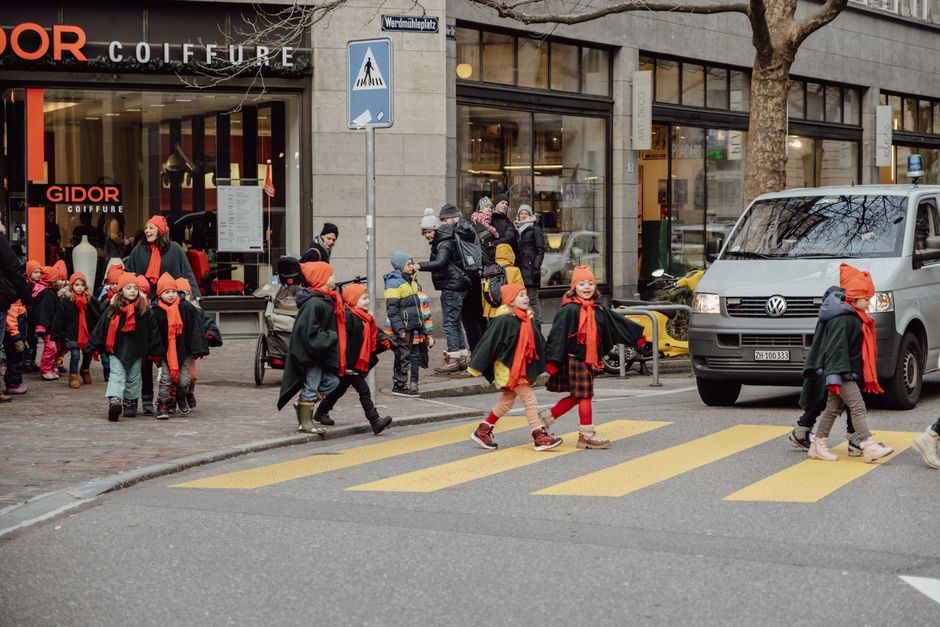
Switzerland's preventive screening culture leaves global ...
While wellness influencers chase the latest detox trend, locals have quietly built the world's most comprehensive early-detection health system.
While wellness influencers chase the latest detox trend, locals have quietly built the world's most comprehensive early-detection health system.
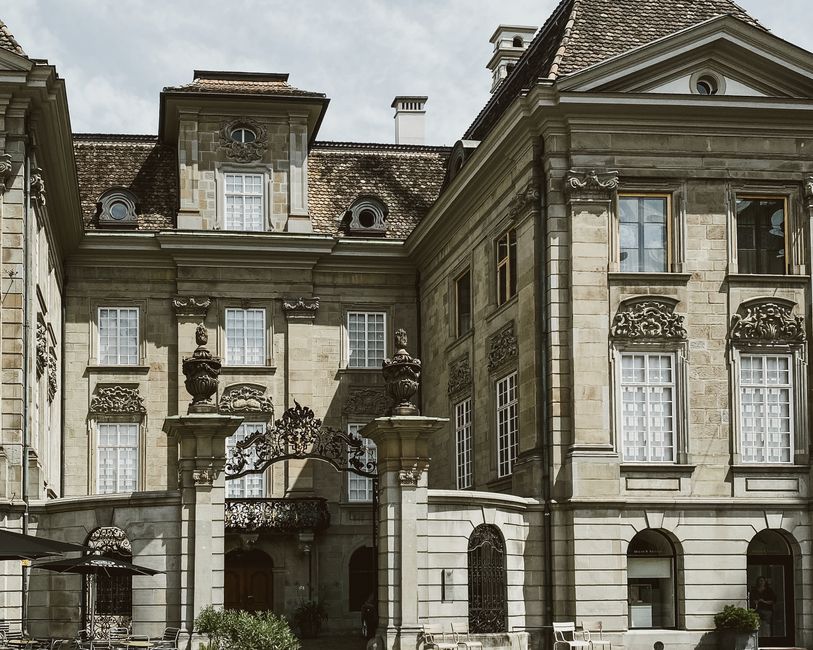
Walk into any pharmacy on Bahnhofstrasse or chat with neighbours at the Uetliberg trailhead, and you'll notice something distinctly Swiss: preventive health isn't aspirational—it's routine. While global wellness trends oscillate between cold plunges and biohacking, Zurich's residents have embedded systematic screening into their cultural fabric, backed by both healthcare infrastructure and genuine uptake.
Switzerland's mandatory health insurance system mandates regular check-ups starting in childhood, and Zurich leads the charge. According to recent cantonal health statistics, approximately 78% of Zurich residents attend annual preventive screenings—far exceeding the OECD average of 52%. This isn't performative wellness; it's infrastructure meeting culture. The University Hospital Zurich and clinics throughout districts like Wiedikon and Aussersihl offer streamlined screening protocols covering cardiovascular risk, metabolic markers, and cancer detection, often at subsidised rates under basic insurance plans.
Globally, preventive health has become commodified. Luxury wellness retreats promise 'optimisation,' genetic testing kits flood Instagram, and longevity coaching commands premium fees. Yet these trends often skip screening's unsexy foundation: the blood work, the colonoscopy, the mammogram. Zurich's approach inverts this logic. The Canton's population health data shows that consistent early screening reduces late-stage disease diagnoses by approximately 34%—a figure that speaks louder than any wellness influencer's testimonial.
The contrast sharpens when comparing pricing. A comprehensive preventive panel in Zurich—including cholesterol, glucose, liver and kidney function—costs 150–250 francs under insurance, with many basic plans covering it entirely. Across the Atlantic, similar testing runs $1,000–2,000 out-of-pocket. This accessibility matters. It removes the barrier between intention and action.
What makes Zurich distinctive isn't just healthcare access; it's cultural normalisation. Regular screening conversations happen at the Kreis 7 fitness studios, the Limmatquai markets, and community health centres in Altstetten. The city's strong occupational health tradition—employers often subsidise preventive screening—reinforces the habit. Meanwhile, global trends chase novelty; Zurich pursues consistency.
This doesn't mean Swiss wellness is boring. Running clubs on the lakefront, alpine hiking culture, and nutritional consciousness thrive here. But they're built atop a foundation of unglamorous prevention—blood pressure checks, lipid panels, and screening conversations with family doctors who've known patients for years.
As wellness globalisation pushes optimisation narratives, Zurich's quiet strength remains its commitment to detection before crisis. It's not revolutionary. It's simply effective—and increasingly, that's what genuinely preventive health looks like.
This article was compiled by AI from the sources linked above and screened before publishing. See our editorial standards.
How does this story make you feel?
Spread the word
About this article
Published by The Daily Zurich
Daily brief
Free, in your inbox before 7am. Weekdays.
More in Wellness