How to Start a Walking Group in Your Neighbourhood
Zurich's thriving culture of outdoor wellness makes community walking groups an ideal way to build fitness, friendships, and local connections.
Zurich's thriving culture of outdoor wellness makes community walking groups an ideal way to build fitness, friendships, and local connections.
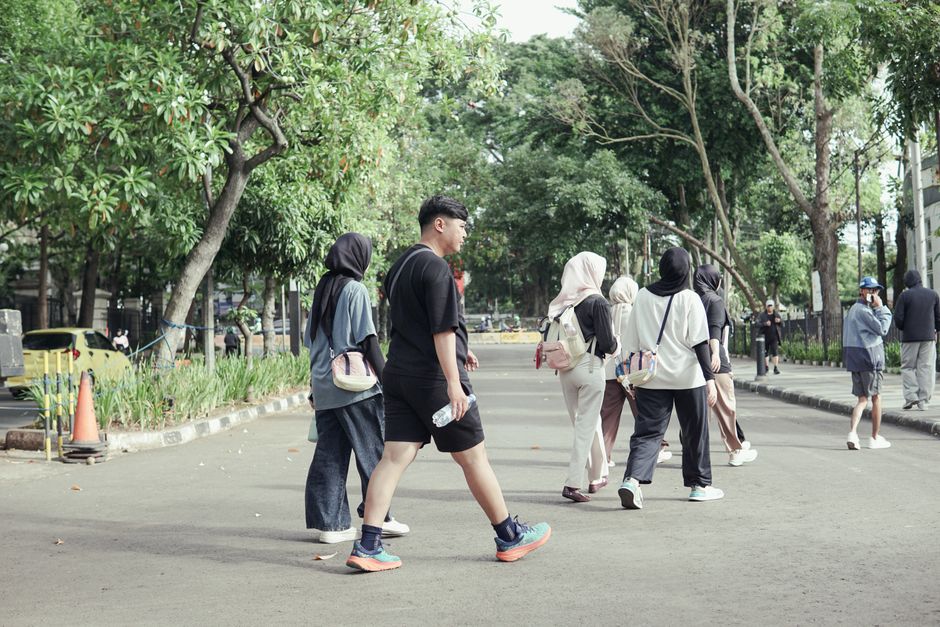
Walking remains Switzerland's most accessible form of physical activity, with over 60% of the population incorporating regular walks into their weekly routines. In Zurich, where lakefront promenades and alpine foothills create natural gathering points, starting a neighbourhood walking group requires minimal investment but yields significant community returns.
Begin by identifying your core area. Whether you're based in Wiedikon, Aussersihl, or along the Seeufer, choose a geography that's walkable for your target participants. Map a 5–8 kilometre loop—substantial enough to provide genuine fitness benefits without intimidating beginners. The Uetliberg vicinity or the Limmat riverside corridors offer established trails with natural meeting points. Familiarise yourself with municipal resources: Zurich's Parks & Recreation department provides free route-planning maps, and several neighbourhoods have designated walking paths with benches and water fountains.
Next, recruit members. Post notices at local cafés, community centres (Gemeinschaftszentren), and neighbourhood noticeboards, or use WhatsApp and community Facebook groups—Zurich residents are highly responsive to hyperlocal digital networks. Keep messaging simple: specify your intended pace, meeting time, and duration. A weekly Tuesday or Thursday evening slot at 18:30 works well for working professionals; weekend morning groups typically attract retirees and families.
Establish logistics. Choose a fixed meeting point—ideally a U-Bahn station or well-known landmark like Burkliplatz or the Arboretum. Confirm your group's rhythm (weekly, biweekly, or monthly) and stick to it; consistency builds habit and trust. Most successful Zurich neighbourhood groups cap membership between 8–15 people, allowing genuine conversation while maintaining group cohesion.
Safety and inclusivity matter. Ensure your route is well-lit if you walk during darker months, and consider varying your route seasonally to sustain engagement. Zürich's excellent public infrastructure means your paths will likely intersect with safe pedestrian zones, though always brief participants on traffic patterns.
Consider informal governance: rotate who selects the weekly route, or invite participants to suggest destinations. This distributes ownership and prevents burnout. Some groups fundraise modestly for small perks—a shared coffee budget or seasonal social gathering—though most Zurich walking groups thrive entirely on volunteer enthusiasm.
Finally, leverage Zurich's broader wellness ecosystem. Local gyms and physiotherapy clinics (particularly in Wiedikon and Enge) often promote community groups; partnerships can expand your reach. The city's commitment to public health means you're likely operating in an environment with genuine institutional support.
Starting a walking group costs nothing except time and enthusiasm. In a city celebrated for its alpine wellness culture, you're simply formalising what Zurich residents already do—move outdoors, together.
This article was compiled by AI from the sources linked above and screened before publishing. See our editorial standards.
How does this story make you feel?
Spread the word
About this article
Published by The Daily Zurich
Daily brief
Free, in your inbox before 7am. Weekdays.
More in Wellness