When Dr. Helena Müller, head of geriatric medicine at the University Hospital Zurich, reviews mobility data from patients over 65, one pattern emerges consistently: those who engage in mixed-intensity activity—not just walks, but stairs, hills, and resistance work—show measurably better balance and cognitive function two years later. The science is definitive. Yet many seniors in Zurich remain sedentary, missing what research now confirms is a critical window for maintaining independence.
The mechanism is neurological, not merely muscular. A landmark 2024 study from the Swiss Institute for Translational Research found that regular varied movement stimulates neuroplasticity in the cerebellum and basal ganglia—brain regions controlling coordination and automaticity. This means climbing the Uetliberg regularly doesn't just strengthen legs; it rewires how the brain processes balance and proprioception. For adults over 60, this translates directly to fewer falls, preserved independence, and sustained quality of life.
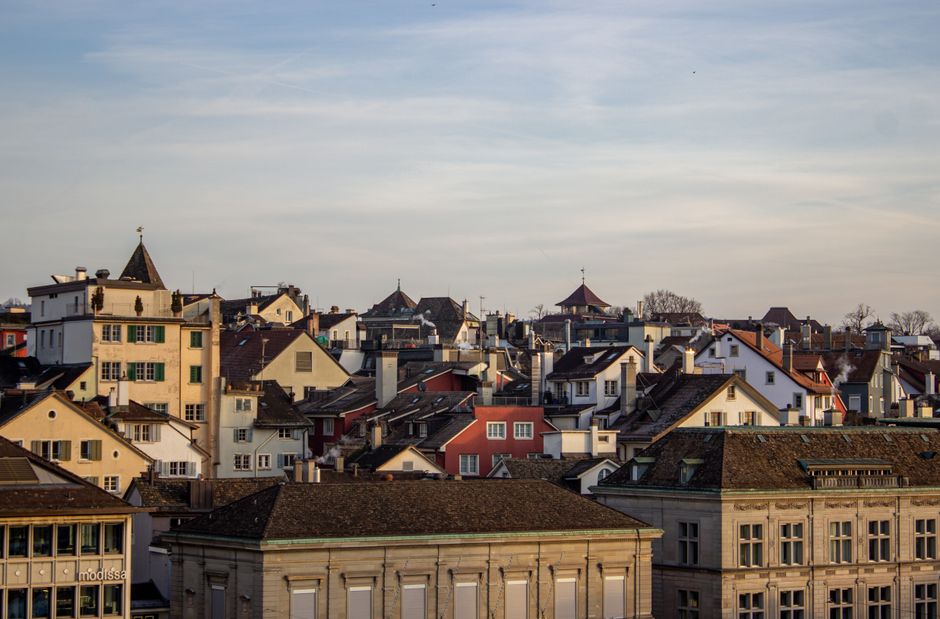
Zurich's geography is fortuitously aligned with this evidence. The Uetliberg funicular (CHF 2.40 one-way) followed by forest trails offers graded incline work. The lakefront path between Wollishofen and Leimbach provides sustained flat walking. Neighbourhood stairs—particularly the Münstergasse steps in Altstadt or routes through Wiedikon—deliver the high-intensity bursts (15–20 seconds maximum) that research shows trigger the greatest neuromuscular adaptation in older adults.
Local data supports accessibility. The Zurich Sport Authority reported that 34 per cent of residents over 65 use public sports facilities regularly—notably higher than the Swiss average of 22 per cent. The Hallenbad Oerlikon and Hallenbad Wollishofen both offer aquatic programmes specifically designed for mobility and resistance work, combining buoyancy with strength benefits without joint stress.
The research consensus now emphasises variety. A single daily walk, while beneficial, does not replicate the neurological stimulus of mixed activities: walking uphill, descending carefully, brief balance challenges, and light resistance. The Swiss Society of Sports Medicine recommends three weekly sessions combining these elements for optimal outcomes in the over-60 demographic.
What makes Zurich distinctive is not just its facilities, but its cultural embrace of outdoor activity across all ages. This normalises movement in later life—a psychological factor research increasingly recognises as essential for sustained participation. The evidence is clear: mobility is a skill, not a fixed asset, and it responds robustly to the kind of varied, locally accessible activity Zurich's neighbourhoods naturally provide.
This article was compiled by AI from the sources linked above and screened before publishing. See our editorial standards.