How to start a walking group in your neighbourhood
Zurich's thriving culture of community fitness shows that organised neighbourhood walks are easier—and more rewarding—than you might think.
Zurich's thriving culture of community fitness shows that organised neighbourhood walks are easier—and more rewarding—than you might think.
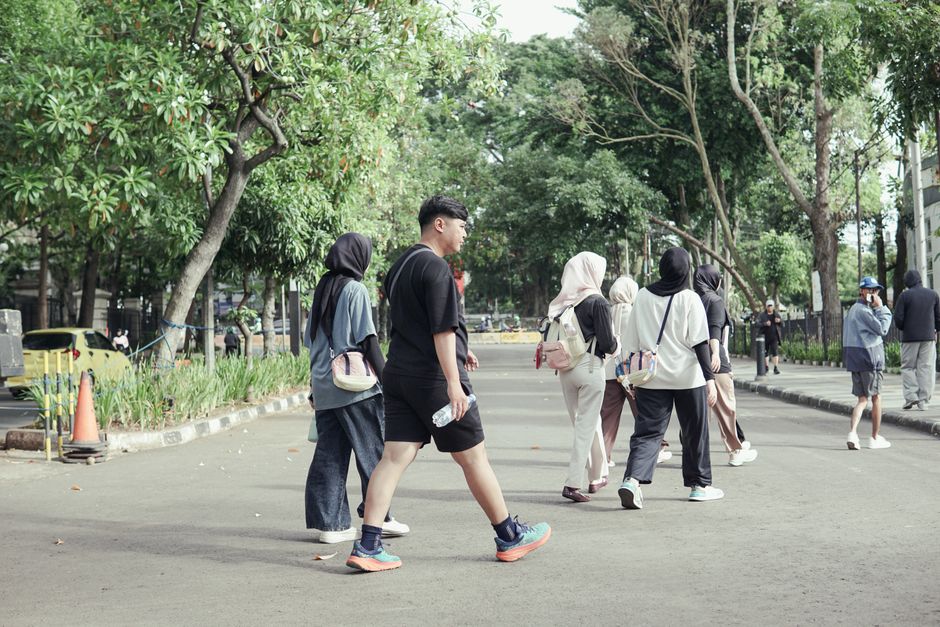
Walk through Wiedikon on any Saturday morning and you'll spot them: clusters of neighbours moving together along the quieter streets, pausing at parks, chatting naturally. These informal walking groups are becoming a cornerstone of Zurich's neighbourhood wellness culture—and starting one in your area requires far less effort than most people assume.
The foundation is simple: identify a consistent time and route. Many successful neighbourhood groups meet weekly, often on weekend mornings when schedules align. A 45-minute loop works well—long enough to feel purposeful without demanding excessive commitment. In districts like Aussersihl or Altstetten, groups often incorporate local green spaces or connect quieter residential streets to larger paths like those leading toward Uetliberg's foothills.
"Location matters," says the Sport City Zurich office, which tracks community activity across the city's 12 districts. They note that groups launching near established transit hubs—such as Wiedikon station or Aussersihl's gathering points—tend to grow faster, as members can easily reach the starting point. The city's 900 kilometres of hiking paths and interconnected neighbourhood routes provide natural scaffolding for walking routes.
Next, recruit. Neighbourhood noticeboards, WhatsApp groups, and local community centres like those run by the Stadt Zurich's Jugend- und Präventionszentren remain goldstandard recruitment channels. A simple flyer specifying meeting time, meeting point, expected pace, and duration removes friction. Many groups cap initial walks at 10–15 people to maintain intimacy and manageability.
Consider safety basics: choose well-lit routes, start early enough to finish in daylight during winter months, and establish a modest buddy system. Groups in Kreis 6 and Kreis 7 frequently use free mapping apps to share routes in advance, reducing navigation stress.
Registration with local authorities isn't legally required for casual neighbourhood walks, but some groups notify their Quartierverein (neighbourhood association) as a courtesy—many offer small grants or promotional support for wellness initiatives. Zurich's public liability insurance framework means informal groups rarely face barriers, though larger organised operations may explore coverage through umbrella organisations like Benevol Zurich.
The beauty of neighbourhood walking groups is their anti-fragility: they thrive on consistency over perfection. Expect variable attendance, weather disruptions, and route adjustments. Groups that succeed treat these not as failures but as features—flexibility breeds resilience and inclusivity.
Starting today? Pick your street, choose your morning, and invite three neighbours. That's how Zurich's wellness culture strengthens, one step at a time.
This article was compiled by AI from the sources linked above and screened before publishing. See our editorial standards.
How does this story make you feel?
Spread the word
About this article
Published by The Daily Zurich
Daily brief
Free, in your inbox before 7am. Weekdays.
More in Wellness