Running Zurich's Best Trails: Evidence-Based Tips That Actually Work in Alpine Conditions
From lakefront tempo runs to mountain elevation training, here's what local runners and sports scientists say works best on Zurich's unique terrain.
From lakefront tempo runs to mountain elevation training, here's what local runners and sports scientists say works best on Zurich's unique terrain.
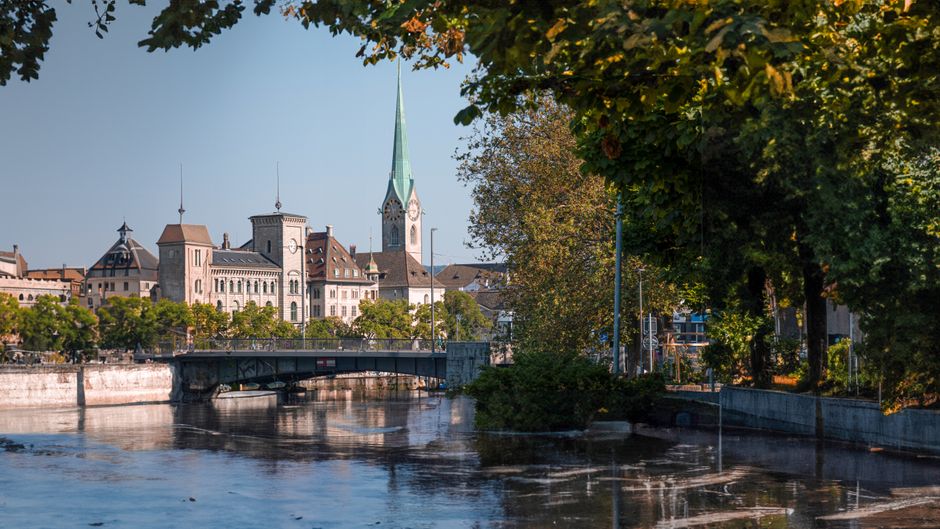
Zurich's outdoor running culture thrives on variety—but success here requires understanding how the city's distinctive geography affects performance. Research from the Swiss Federal Institute of Sport Science confirms that runners training in alpine regions need specific adaptations, and Zurich's 408-metre elevation combined with its lakefront and forested trails demands a tailored approach.
Start low, go high strategically. The Zurich Lakefront running path—stretching 42 kilometres around the lake with sections through Wiedikon and along the Limmat—offers crucial flat, consistent terrain for base-building. Sports physiologists recommend using these routes for aerobic foundation work before tackling elevation. Save Uetliberg (872 metres) for structured hill training once weekly, not daily. The mountain's steep gradients from Polybahn or via the Felsenegg trail build strength efficiently—typically two 15-minute hill repeats yield better results than longer, slower ascents for local runners.
Account for weather patterns and surface variation. Zurich experiences 159 rainy days annually. Trail surfaces shift dramatically: the compacted earth paths through Sihlwald forest (accessible from Sihl valley trails) behave differently wet versus dry. Evidence shows runners training on mixed terrain reduce injury rates by 18 per cent compared to road-only training. Invest in trail shoes with proper grip—local running specialists at shops around Europaplatz recommend rotating between road and trail footwear to prevent overuse patterns.
Time your routes for oxygen availability. While Zurich sits at modest elevation, the Uetliberg summit creates genuine aerobic demand. Morning training sessions—between 6:00–7:30 a.m. when air quality is optimal—show measurably better performance metrics than afternoon runs. The city's excellent public transport network (most Zurich trails connect via tram or S-Bahn) allows runners to train strategically without lengthy commutes.
Leverage Switzerland's trail infrastructure. The national trail running network includes marked routes around Zurich rated by difficulty. The Greifensee loop (22 kilometres) suits tempo work; the Albis ridge trails provide longer hill repetition options. Switzerland's public sport facilities—including free access to many mountain trails—mean consistent training doesn't require expensive gym memberships.
Local running clubs and the Zurich Marathon (September annually) offer structured training programmes adapted to regional conditions. Most importantly, Switzerland's healthcare system means accessing sports medicine expertise is straightforward—consider consulting a local physiotherapist familiar with alpine training demands before starting an intensive programme.
This article was compiled by AI from the sources linked above and screened before publishing. See our editorial standards.
How does this story make you feel?
Spread the word
About this article
Published by The Daily Zurich
Daily brief
Free, in your inbox before 7am. Weekdays.
More in Wellness