The Zurich Residents Who Caught It Early — and Changed Everything
Across the city's clinics and running paths, a quiet preventive health movement is rewriting personal health stories before they become medical emergencies.
Across the city's clinics and running paths, a quiet preventive health movement is rewriting personal health stories before they become medical emergencies.
More than 60 percent of Swiss adults have not completed a full preventive health screening in the past three years, according to data published by Santésuisse, the Swiss health insurers' association, in early 2026. In Zurich, where the canton's public health office has been pushing its Gesundheitsförderung Zürich programme since 2019, that number is slowly improving — but medical staff say it still isn't fast enough.
The urgency is real. Cardiovascular disease remains the leading cause of death in Switzerland, accounting for roughly one-third of all deaths annually. Non-communicable diseases cost the Swiss healthcare system an estimated CHF 80 billion per year, a figure the Federal Office of Public Health flagged in its 2025 national strategy report. The argument for catching problems early has never been sharper.
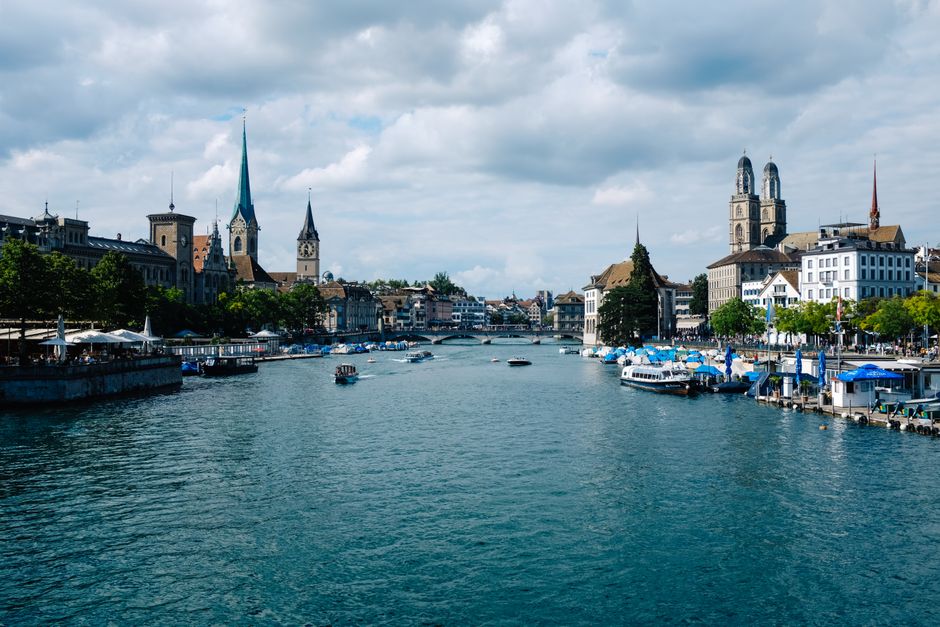
Ask around Zurich's Seefeld neighbourhood on a Saturday morning and you'll find people who have turned a health scare into a lifestyle overhaul. One 47-year-old architect who trains regularly along the Zürichsee promenade near Bellevue describes discovering borderline hypertension at a routine check-up at Stadtspital Triemli in Altstetten — not through any dramatic symptoms, but through a CHF 180 annual wellness screening his employer's collective insurance plan covered in full. He adjusted his diet, kept running, and six months later his GP confirmed his blood pressure had returned to a healthy range. His story is ordinary in the best possible way.
The Stadtspital Zürich network, which operates across multiple sites including the main campus on Birmensdorferstrasse, offers structured preventive check-up packages. The Check-up 35+ programme — available to anyone over 35 and partially reimbursed by basic Krankenkasse after a deductible — covers blood glucose, cholesterol panels, blood pressure assessment, a urine analysis and a detailed medical history review. For women, it typically integrates with a gynaecological examination. Appointments are running around four to six weeks out at present, a wait time that has shortened since the clinic expanded its preventive medicine unit in January 2026.
The University Hospital Zurich, known locally as USZ on Rämistrasse in Hochschulen, runs a separate Präventionsmedizin outpatient clinic that handles more complex risk profiles — people with family histories of early-onset cancer, hereditary heart conditions, or metabolic syndrome. Referrals come in from GPs across the canton, but self-referrals are accepted. A first consultation costs approximately CHF 250 out of pocket if not covered by supplemental insurance, though most Helsana and CSS basic plans count the visit toward the annual preventive check-up benefit.
The data on what happens when people actually show up is encouraging. A 2024 study published in the Swiss Medical Weekly found that patients in the canton of Zurich who completed at least one comprehensive preventive screening before age 50 were 34 percent less likely to require emergency hospitalisation within five years for a preventable condition. That single number has become a cornerstone of the canton's public health messaging.
Gesundheitsförderung Zürich, based on Stampfenbachstrasse in Kreis 6, has been running community outreach workshops at community centres in Aussersihl and Schwamendingen — two districts where screening uptake has historically lagged — since autumn 2024. The workshops are free, held in German, Albanian, Turkish and Portuguese, and pair basic health literacy education with on-site blood pressure and BMI checks. More than 1,200 residents attended sessions in 2025 alone.
For anyone ready to act, the most practical first step is a call to your Hausarzt to ask specifically about the Check-up 35+ framework. Bring a list of family medical history points and any recent pharmacy readings. If you are uninsured or on a low income, the city's Gesundheitszentrum für Migrierende on Röntgenstrasse in Kreis 5 provides subsidised preventive assessments. And if your GP's waiting list is long, both Hirslanden Klinik Zürich on Witellikerstrasse and the walk-in clinic at Permanence Zürich HB near the main station offer same-week preventive screening slots. The mountain, as any Uetliberg regular will tell you, looks less steep once you take the first step.
For personalised health advice, consult a qualified medical professional registered in Switzerland.
How does this story make you feel?
Spread the word
About this article
Published by The Daily Zurich
Daily brief
Free, in your inbox before 7am. Weekdays.
More in Wellness