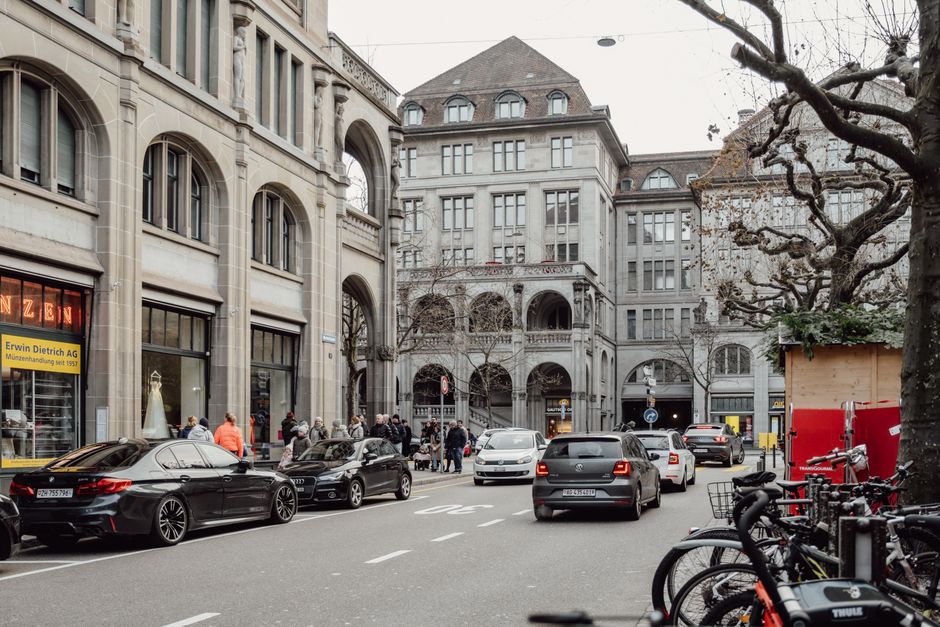
Walk down Bahnhofstrasse or through the cobbled lanes of the Altstadt, and Zurich's entrepreneurial heartbeat remains visible. Yet beneath the surface of this globally prominent business hub, small business owners are bracing for what many describe as the most challenging operating environment in half a decade.
The headwinds are stacking up. Commercial rents in prime neighbourhoods like Wiedikon and Aussersihl have climbed roughly 8-12 percent since early 2025, according to preliminary data from the Zurich Chamber of Commerce. Simultaneously, electricity costs—a particular burden for hospitality and retail—remain elevated, with average industrial tariffs hovering near 28 centimes per kilowatt-hour, nearly double pre-2022 levels. For a small café operator, that translates to tens of thousands of additional francs annually.
The broader economic picture intensifies the squeeze. Recent geopolitical tensions, particularly the escalating instability affecting global trade routes and energy markets, have disrupted supply chains that Swiss manufacturers and importers depend upon. Small importers working from warehouse spaces near Zurich Cargo City report lead times have extended by 4-6 weeks on average compared to last year.
Consumer confidence, too, shows signs of wavering. Domestic spending has softened, with retail turnover in June tracking approximately 3 percent below expectations, according to preliminary retail federation assessments. For boutique shops along Storchengasse or independent restaurants tucked into the Kreis 5 neighbourhood, this means thinner margins and tougher decisions about staffing and inventory.
Labour availability compounds the challenge. Switzerland's unemployment rate remains structurally low, but wage pressures continue climbing—particularly in hospitality and skilled trades. Many small employers report difficulty attracting and retaining talent without offering salary packages that strain their bottom lines.
The institutional response has been mixed. The City of Zurich's small business support office has expanded advisory services, and the cantonal government has made certain tax relief provisions available to micro-enterprises. Yet entrepreneurs emphasise that policy measures, while welcome, cannot fully offset structural cost increases.
Despite the headwinds, some optimism persists. Zurich's reputation as a global financial and innovation centre continues drawing investment and talent. Several entrepreneurs report that digital transformation initiatives—shifting to online sales channels, for instance—have provided breathing room. Yet the consensus is clear: 2026 will test the resilience of Zurich's small business ecosystem as never before.
This article was compiled by AI and screened before publishing. See our editorial standards.