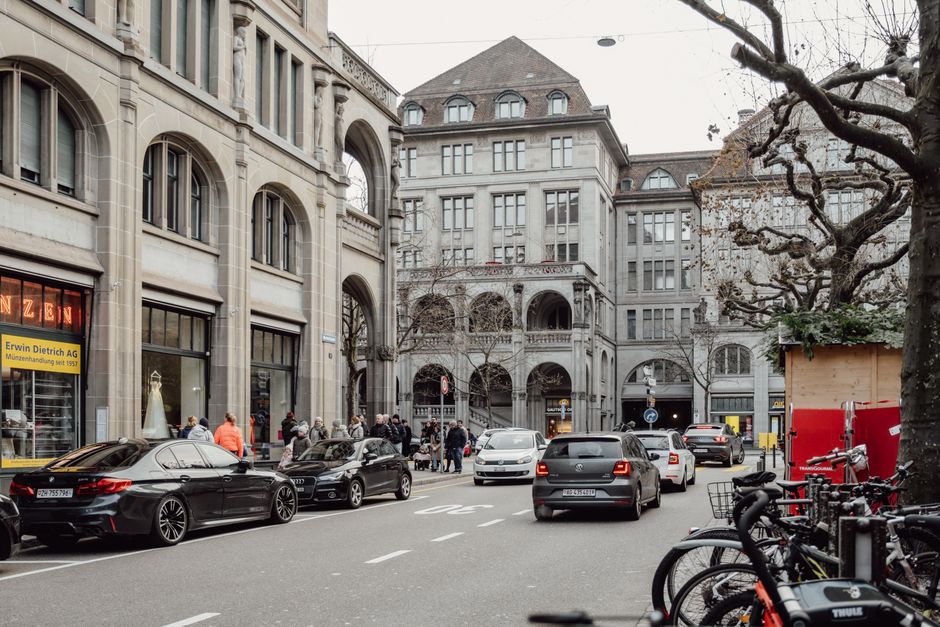
Zurich Cost of Living Crisis Drives Talent Exodus
Housing and childcare costs now consume 22% of skilled worker salaries in Zurich. HR leaders report unprecedented difficulty retaining mid-career talent as employees relocate to cheaper Swiss cities.
Housing and childcare costs now consume 22% of skilled worker salaries in Zurich. HR leaders report unprecedented difficulty retaining mid-career talent as employees relocate to cheaper Swiss cities.

The gleaming office towers along the Bahnhofstrasse may still dominate Zurich's skyline, but behind the polished glass facades, a quiet crisis is unfolding. For the first time in over a decade, recruitment consultants and HR leaders across the city's financial sector report difficulty retaining mid-career talent—a shift that threatens to reshape the city's competitive advantage in global finance.
The numbers tell a stark story. A one-bedroom apartment in Wiedikon now averages 2,400 francs monthly, while comparable properties in Aussersihl exceed 2,200 francs. For a skilled analyst earning 140,000 francs annually, housing alone consumes nearly 20 percent of gross income. Childcare costs add another 2,000 francs per month per child. Commute expenses from outer districts like Affoltern push the total cost burden beyond 45 percent of salary for many households.
What's accelerating departures is the mismatch between wage growth and these mounting costs. Major banks and asset managers have frozen salary increases at 2-3 percent annually, citing global market volatility and regulatory pressures. Meanwhile, the cost of living has climbed 4.8 percent year-over-year in the greater Zurich region.
The exodus is real. Recruiters report increased interest from Zurich-based fintech specialists, compliance officers, and portfolio managers in Frankfurt, where housing costs run 30 percent lower, and increasingly in Singapore and Dubai, where tax incentives offset the cost differential. One major private banking group in Zolikerberg noted a 12 percent increase in departures among its 25-45 age cohort during the past 18 months.
The implications are profound. Zurich's competitive edge has historically rested on attracting global talent drawn by stability, quality of life, and premium salaries. Today, that equation is shifting. Young professionals with families are doing the maths differently. The Swiss financial sector's reputation for meritocracy and long-term careers is being tested by generational economics.
Some firms are responding innovatively—flexible work arrangements, performance bonuses unburdened by regional caps, and relocation assistance for key hires. Yet these measures remain patchwork. Without systematic action addressing the housing crisis or wage competitiveness, Zurich risks ceding its position as the preferred destination for Europe's financial talent, a loss that would echo far beyond recruitment departments into the city's broader prosperity.
This article was compiled by AI and screened before publishing. See our editorial standards.
How does this story make you feel?
Spread the word
About this article
Published by The Daily Zurich
Daily brief
Free, in your inbox before 7am. Weekdays.
More in Business