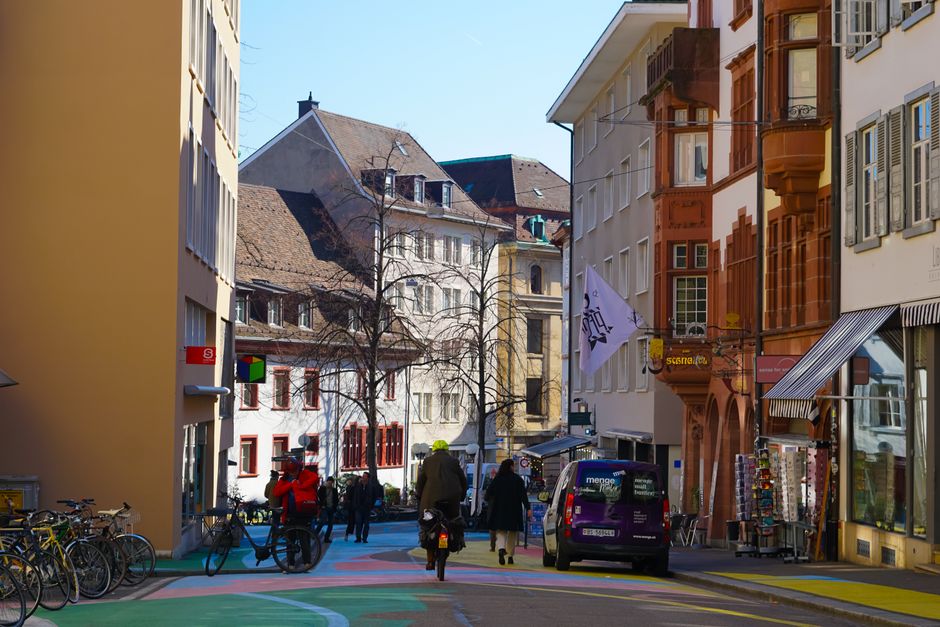
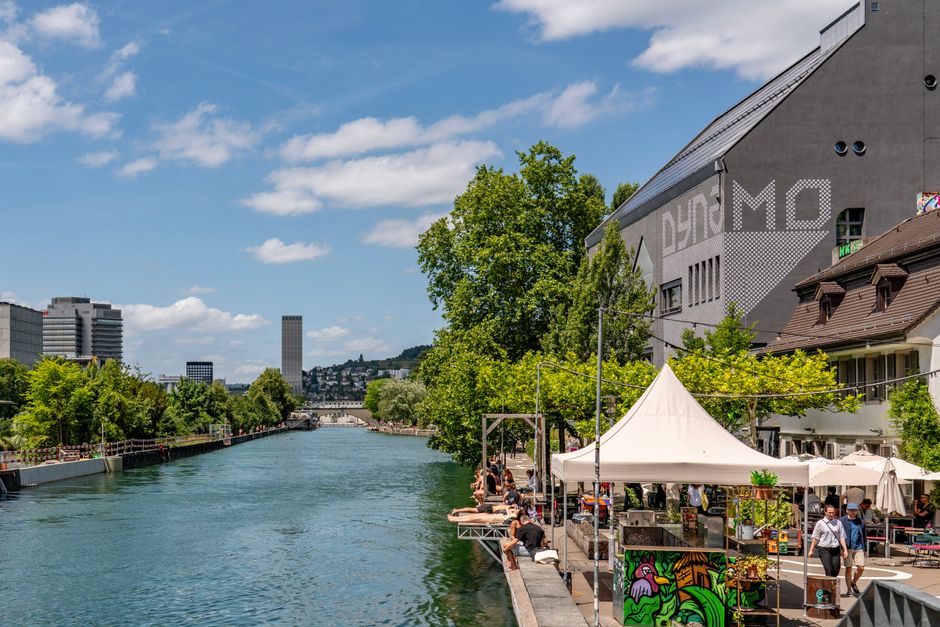
Walk through Zurich's Aussersihl district today and you'll encounter thriving galleries, performance venues, and artist studios that draw visitors from across Europe. But few recognise the deliberate, often contentious work that created this landscape—or the individuals who risked legal action and social ostracism to build it.
The story begins in the 1980s, when a coalition of artists, musicians, and activists occupied abandoned industrial buildings along the Limmat. The Kraftwerk movement, centred around venues like the legendary Rote Fabrik in Wollishofen, emerged not from municipal planning but from direct action. These spaces, initially illegal, forced the city to confront questions about cultural ownership and public space.
"The city wasn't offering us anything," explains Daniela Sonderer, cultural historian at the University of Zurich, who has documented this period extensively. "So communities created their own infrastructure." By the 1990s, what began as acts of defiance had become policy. The municipality recognised that grassroots cultural spaces generated economic activity—today, creative industries contribute roughly 8% of Zurich's GDP, according to recent city reports.
This transformation required bridge-builders. Figures like Christoph Hahn, who mediated between squatter communities and city administrators throughout the 1990s, negotiated frameworks that legalised venues while preserving their independent character. His work culminated in the 1994 cultural initiatives framework, which provided affordable rents and management support to non-profit organisations.
The impact cascaded outward. Shedhalle, established in 2001 as a non-profit artist collective in the Wiedikon industrial zone, now hosts over 80,000 visitors annually. Kunsthalle Zürich, the city's flagship contemporary art institution, credits community programming directly inspired by these grassroots models.
Yet this history remains fragmentary in public consciousness. While the Zurich Museum of Fine Arts (Kunsthaus) has secured international prominence—and CHF 100 million in recent renovations—the stories of those who pioneered accessible, community-driven cultural spaces are often marginalised within institutional narratives.
Today's cultural landscape reflects this ongoing tension. Gentrification has transformed once-precarious neighbourhoods, displacing some of the very communities that created them. Rents in Aussersihl have increased 40% in the past decade, according to the Real Estate Association. Yet the institutions they founded remain, sometimes uneasily, embedded in the city's identity.
Understanding Zurich's culture scene requires acknowledging this debt to activists and visionaries who operated outside official channels. Their legacy isn't merely artistic—it's political. They demonstrated that cities are shaped not by planners alone, but by people willing to imagine differently.
This article was compiled by AI and screened before publishing. See our editorial standards.